Ashwagandha for stress: why the extract on the label matters
A closer look at ashwagandha extract differences, short-term research, safety questions, and claims about everyday stress.
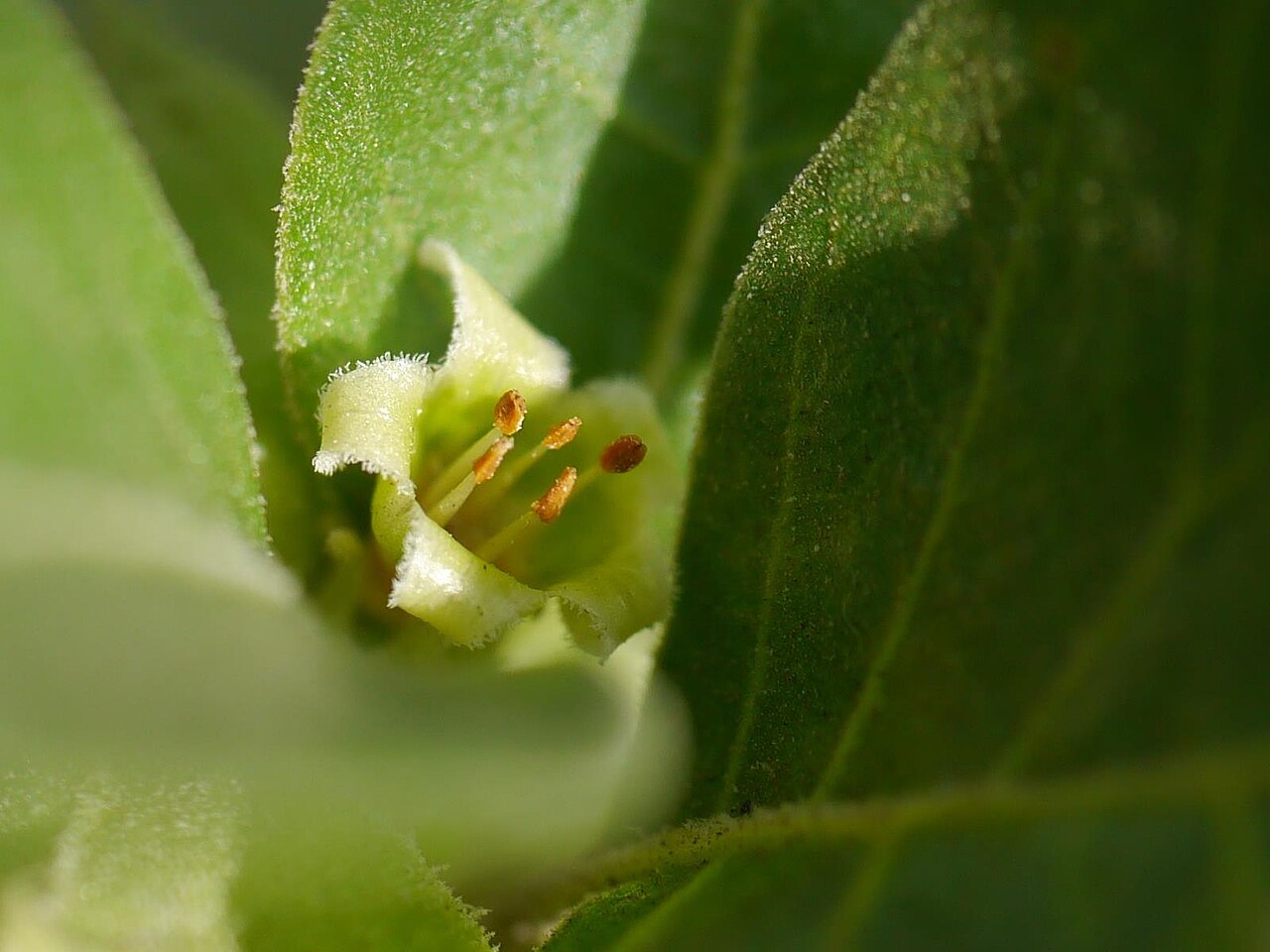
Ashwagandha findings depend on preparation, population, and duration; short-term stress research does not settle long-term use or every anxiety claim.
Identify the exact intervention
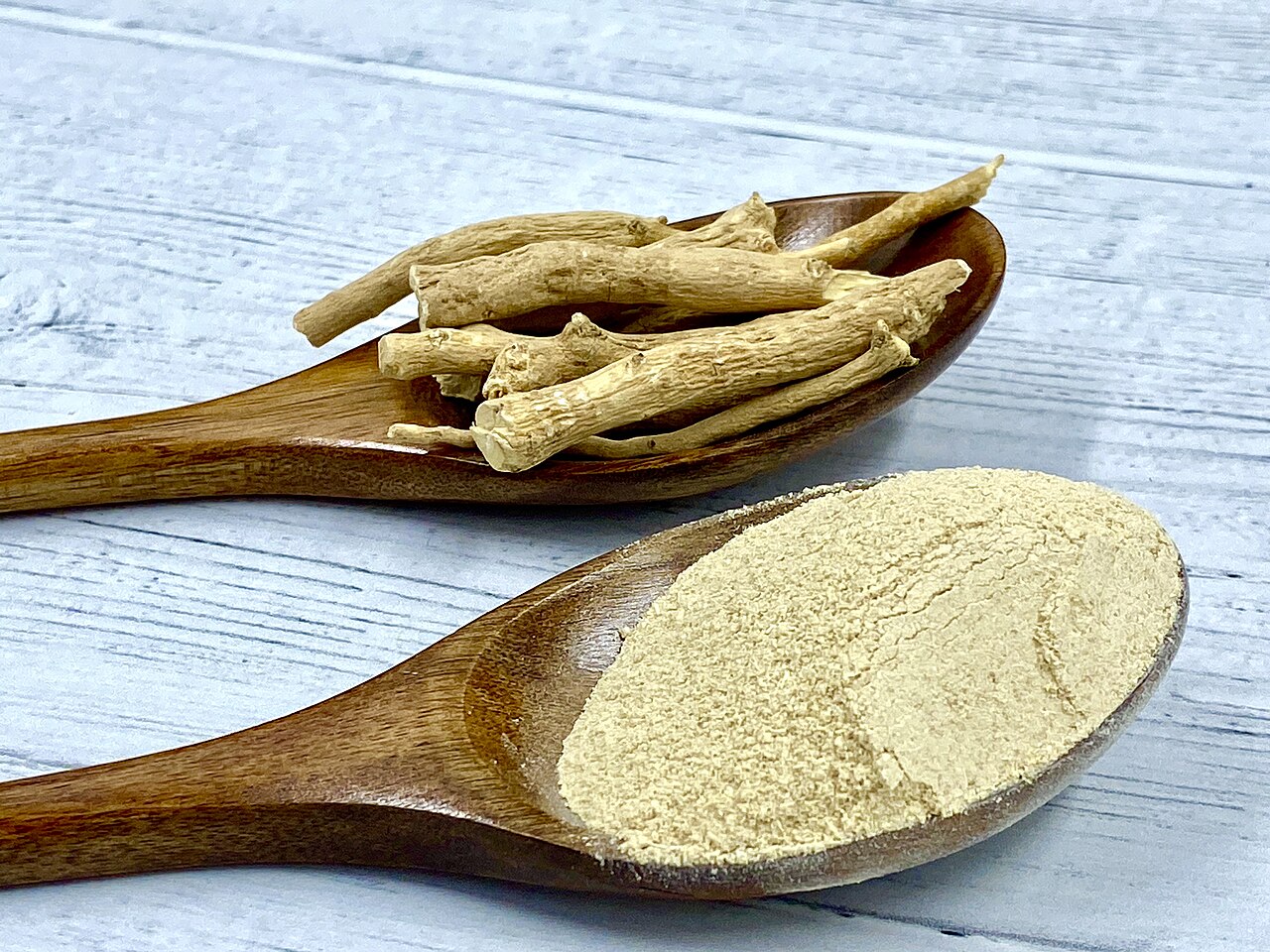
Ashwagandha appears in capsules, drink powders, gummies, and blends promoted for stress or calm. The familiar herb name can make those products look like variations of the same intervention. In research, however, preparation details matter. A study of a characterized extract cannot automatically demonstrate the benefits of every product containing some part of the plant, in any amount or combination.
NCCIH describes ashwagandha products made from root, leaf, or combined extracts and notes that studies have often been small and used varied preparations. Some preparations may help with stress or insomnia, while evidence about anxiety remains unclear. That is more precise than a blanket claim that ashwagandha treats all forms of emotional distress or reliably produces calm for every user.
Distinguish stress from a diagnosis
Stress, anxiety symptoms, and a diagnosed anxiety disorder should not be collapsed into one category. A trial recruiting adults who report feeling stressed may answer a different question from a trial enrolling people with a particular diagnosis. When an advertisement cites a paper, identify the group studied. The distinction can materially change what conclusion is justified for the person reading the claim.
Questionnaires also differ. A change in a perceived-stress score does not by itself establish improved work performance, resolution of a disorder, or prevention of future illness. These are possible research questions, but they need their own evidence. A careful consumer summary names what was measured rather than replacing a specific result with a much broader promise about wellbeing.
Read the study time frame
Study duration is especially relevant for an ingredient marketed as part of a daily routine. The NIH Office of Dietary Supplements notes that the efficacy and safety of long-term use over months or years are not known. Short-term findings should therefore remain identified as short-term findings. Continuing a product indefinitely is a different decision from participating in a limited research study.
A useful paper summary includes the intervention, the length of follow-up, the comparison group, and how unwanted effects were assessed. If people stopped taking the product, look for whether the reasons were reported. A favorable average score can be incomplete without information about tolerability and the people who did not finish. That information helps readers see both the promise and the uncertainty.

Keep safety visible
NCCIH identifies possible adverse effects, rare reports of liver injury, and potential interactions with several medicines. It also highlights circumstances where use is not advised, including pregnancy and certain thyroid or autoimmune conditions. These concerns belong alongside the benefits discussion, rather than being hidden behind the assumption that an herb used traditionally must be suitable for all modern users.
The practical next step for someone taking medicines is to bring the exact product label to a pharmacist or clinician. A brand name alone may not show which extract, additional ingredients, or serving amount is involved. People considering a multi-ingredient stress formula should review the complete panel, because the ashwagandha headline does not describe everything that will be consumed.
Compare evidence with the shelf product
For product comparisons, record plant part, extract description, labeled amount per serving, any standardization statement, and other active ingredients. Then ask whether the cited study used a comparable intervention. These details do not allow a shopper to verify a product's contents independently, but they reveal whether the manufacturer has provided enough information for a meaningful evidence comparison.
The most useful conclusion is conditional: some ashwagandha preparations have encouraging research for particular outcomes, while product differences and long-term uncertainty remain relevant. An attractive calm label should not erase those distinctions. Readers can acknowledge promising findings while still requiring the evidence, the formulation, and the intended use to line up before accepting a broad claim about stress relief. The details of the tested extract should remain available to the reader instead of disappearing behind the common plant name.
Sources & further reading
This article provides educational information. Ask a qualified clinician or pharmacist about your symptoms, medical conditions, medicines and supplement interactions.