Beetroot, Mouthwash, and Nitric Oxide: The Oral-Bacteria Link
How oral bacteria help convert beetroot nitrate into nitrite, why antibacterial mouthwash can disrupt the pathway, and what supplement labels miss.
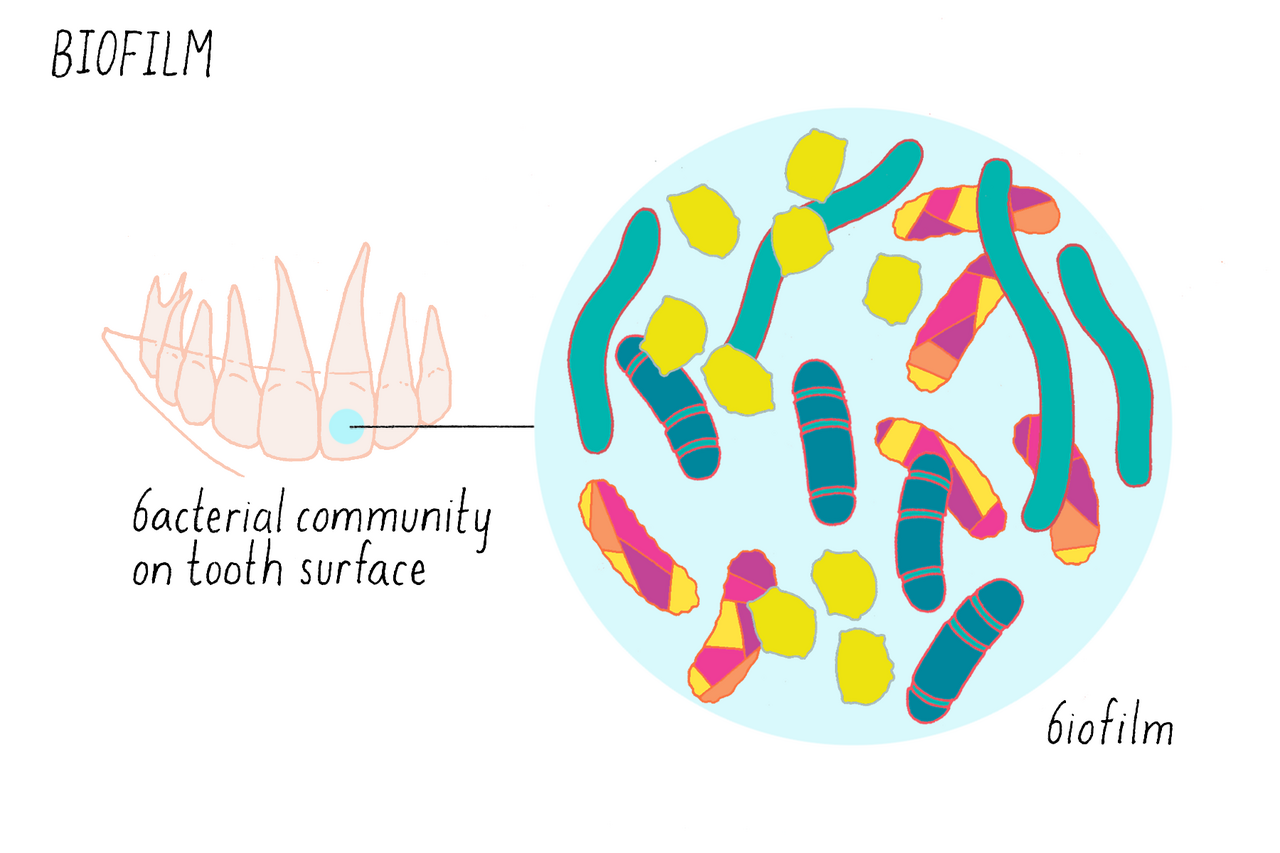
Oral bacteria are an important step in dietary nitrate metabolism, and antibacterial mouthwash can reduce nitrite formation—but mouth care should not be changed casually.
Your mouth is part of the nitrate pathway
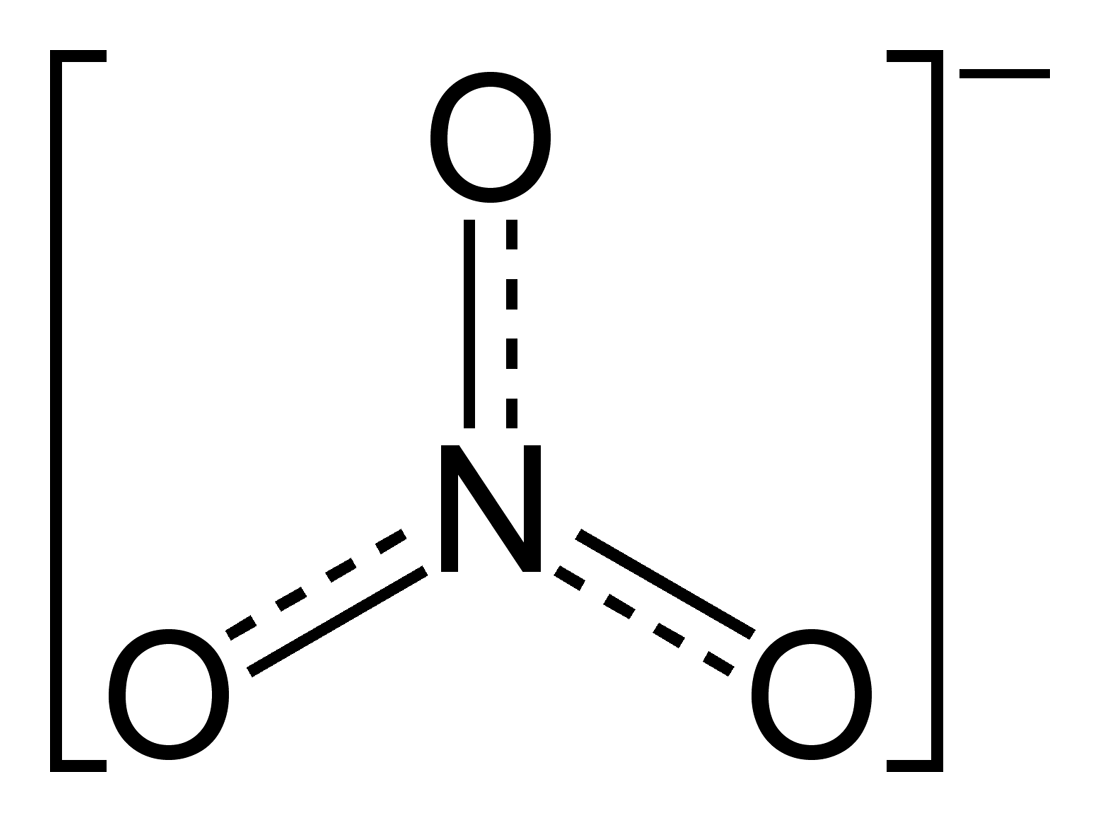
Beetroot’s circulation story does not begin in a blood vessel. After dietary nitrate enters saliva, certain bacteria on the tongue help reduce it to nitrite. Swallowed nitrite can then contribute to nitric-oxide production, which helps blood vessels relax.
That means oral ecology can change the response to a nitrate-rich drink or supplement. Small randomized studies show that antibacterial mouthwash can reduce salivary and plasma nitrite after nitrate intake and can nudge blood pressure in an unfavorable direction.
This is not a reason to abandon prescribed mouthwash or dental care. It is a reason to stop treating beetroot powder, nitrate dose and nitric-oxide response as interchangeable.
The pathway is called enterosalivary because nitrate circulates from the intestine into blood and is concentrated back into saliva. Swallowing is part of the normal loop. That is one reason immediate rinsing after a nitrate dose can matter in a mechanistic experiment.
What the mouthwash trials found
In a crossover trial of 15 adults with treated hypertension, three days of antibacterial mouthwash reduced oral nitrate-to-nitrite conversion and salivary nitrite. Systolic blood pressure was modestly higher than during the water-control period.
Another randomized experiment gave 12 healthy men a beetroot-juice nitrate load, followed by mouthwashes of different antibacterial strength or water. Stronger rinses produced a stepwise reduction in salivary and plasma nitrite, supporting a biological role for oral bacteria.
A separate six-day study also found that strong and weaker antibacterial agents altered nitrite responses during beetroot supplementation. These small mechanistic trials reveal a pathway; they do not prove that everyday mouthwash causes cardiovascular disease.
Chlorhexidine and over-the-counter antiseptic rinses are not identical. Concentration, active ingredient, frequency and duration all influence oral bacteria. The studies do not support treating every mint-flavored rinse as equally disruptive.
Nitrate dose matters more than beetroot weight
Trials that test the nitrate pathway usually quantify nitrate in millimoles or milligrams and often compare nitrate-rich beetroot juice with nitrate-depleted placebo. A capsule label may list only the weight of beetroot powder.
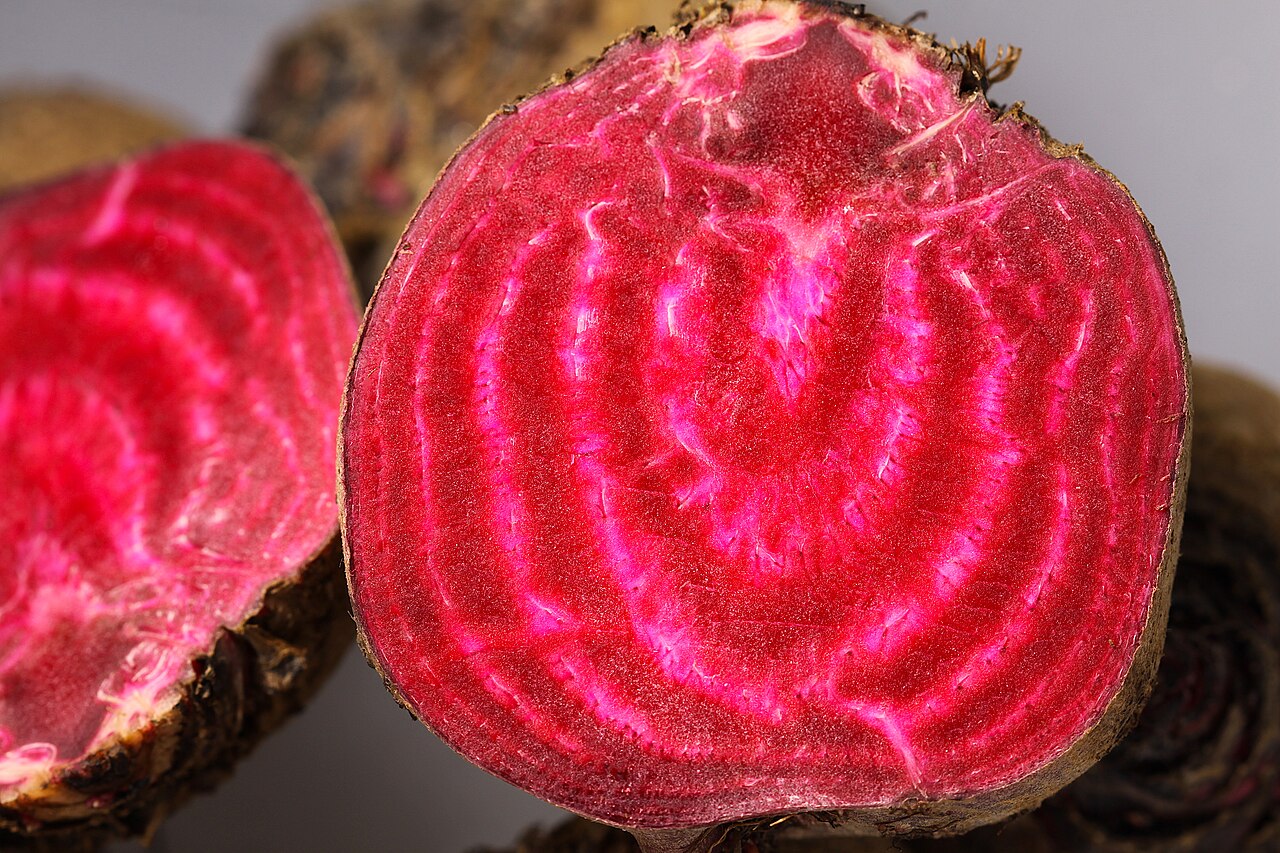
Those numbers answer different questions. Beetroot naturally contains nitrate, but the amount varies with cultivar, soil, storage and processing. A 1,000-milligram beetroot serving is not automatically a 1,000-milligram nitrate serving.
Blood-pressure findings also depend on the population. One controlled trial in people already treated for hypertension raised nitrate and nitrite markers but did not further lower home or ambulatory blood pressure over one week.
Nitrate-depleted beetroot placebo is especially useful because it keeps much of the beetroot matrix while removing the main variable. A study comparing beetroot with plain water cannot separate nitrate from color, flavor and other plant compounds as well.
A real-world capsule example
When comparing products, ask for a quantified nitrate amount, third-party testing and a clear daily serving. If nitrate is not listed, do not reverse-engineer it from beetroot grams or assume a juice study applies.
VitaVein is currently sold as a one-time-purchase beetroot capsule and lists 1,300 milligrams of beetroot powder per serving. Its page does not quantify nitrate, making it a useful example of why beetroot weight and studied nitrate dose should be kept separate.
People taking blood-pressure medicines, nitrates for chest pain, PDE5 inhibitors or multiple agents that lower pressure should discuss beetroot supplements with a clinician. Dizziness or faintness is a practical warning sign, not a badge that the product is working.
Home blood-pressure readings should use a validated cuff, the correct size and repeated measurements after quiet rest. A single reading after a supplement is too noisy to establish either benefit or harm.
Protect both oral and heart health
Do not stop a dentist-prescribed antimicrobial rinse to chase a supplement effect. Ask why it was recommended, how long it is needed and whether timing around nitrate-rich food matters in your case.
The best lesson from this research is precision: oral bacteria participate in nitrate metabolism, but product nitrate content, dental needs and medication context determine whether that fact is useful.
Sources & further reading
- Antibacterial mouthwash blunts oral nitrate reduction and increases blood pressure ↗
- A stepwise reduction in plasma and salivary nitrite with increasing strengths of mouthwash following a dietary nitrate load ↗
- Absence of an effect of high nitrate intake from beetroot juice on blood pressure in treated hypertensive individuals ↗
- Official VitaVein Beetroot Capsules product page ↗