Sleep Loss and Testosterone: Why a Booster Cannot Replace Rest
Short sleep and testosterone have a more complicated relationship than headlines suggest. Learn what controlled studies found and where boosters fit.
Total sleep deprivation can lower testosterone temporarily, while partial restriction studies are mixed; supplements cannot substitute for adequate sleep or diagnosis.
The useful answer is more nuanced than “sleep boosts T”
A full night without sleep can temporarily reduce testosterone, but ordinary partial sleep restriction has produced mixed results in controlled studies. That makes sleep important without turning every late night into a hormone emergency.
The practical benefit is clear: protect sleep because it supports energy, mood, training and sexual health. Do not buy a testosterone booster as permission to ignore snoring, shift work or chronic short sleep.
Low-testosterone symptoms are nonspecific. Fatigue, low mood, reduced libido and poor performance can arise from sleep apnea, depression, medication effects or overtraining. Diagnosis requires symptoms plus properly timed laboratory testing.
Sleep apnea deserves special attention because fragmented sleep and intermittent low oxygen can coexist with obesity and other conditions associated with lower testosterone. Treating the breathing disorder can improve daytime function even when hormone numbers do not change dramatically.
Controlled restriction studies did not all agree
A pair of randomized studies tested severe short-term restriction and milder six-week restriction in healthy young men. The acute five-night study found no meaningful testosterone difference between four and nine hours in bed. The longer study found slightly lower concentrations with restricted sleep but a complicated change over time.
The authors concluded that their restrictions did not clearly produce the expected adverse effect and called for confirmation. That result is important because it pushes against a popular one-study narrative.
Small samples and young, healthy participants limit generalization. Results may differ in older men, people with obesity, sleep apnea, chronic illness or irregular schedules.
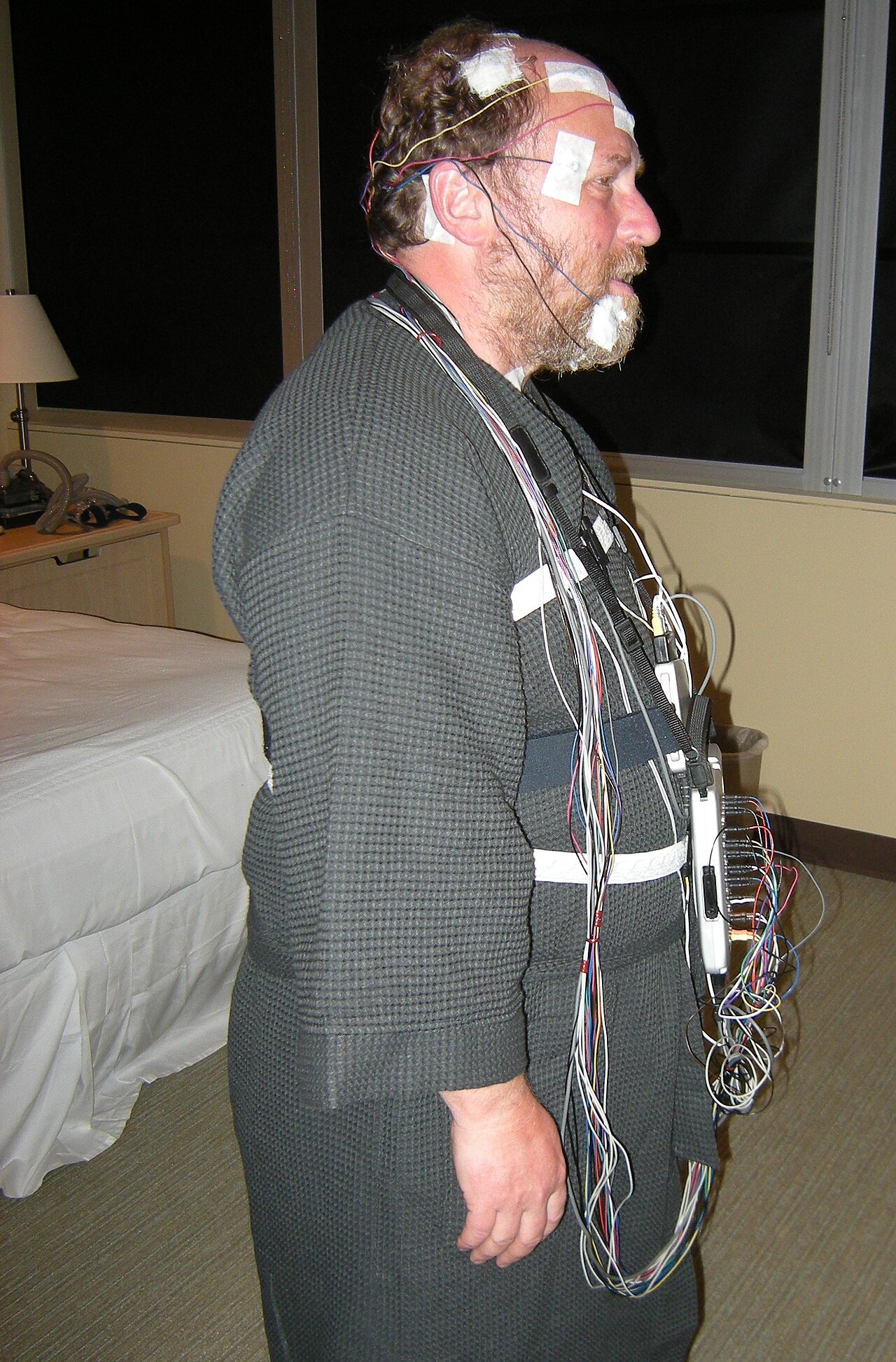
Time in bed is not the same as time asleep. In restriction studies, researchers control schedules and often verify sleep. At home, late screens, awakenings and early alarms can make an eight-hour window much shorter in practice.
Total deprivation looks different
A systematic review and meta-analysis separated partial from total sleep deprivation. Across the included studies, short-term partial deprivation did not significantly reduce testosterone, while being awake for at least 24 hours did.
A controlled sleep-extension experiment found that testosterone fell after 24 hours awake and recovered after a night of sleep. Six nights of extra sleep beforehand did not prevent that drop. Recovery, not a supplement, restored the baseline pattern.
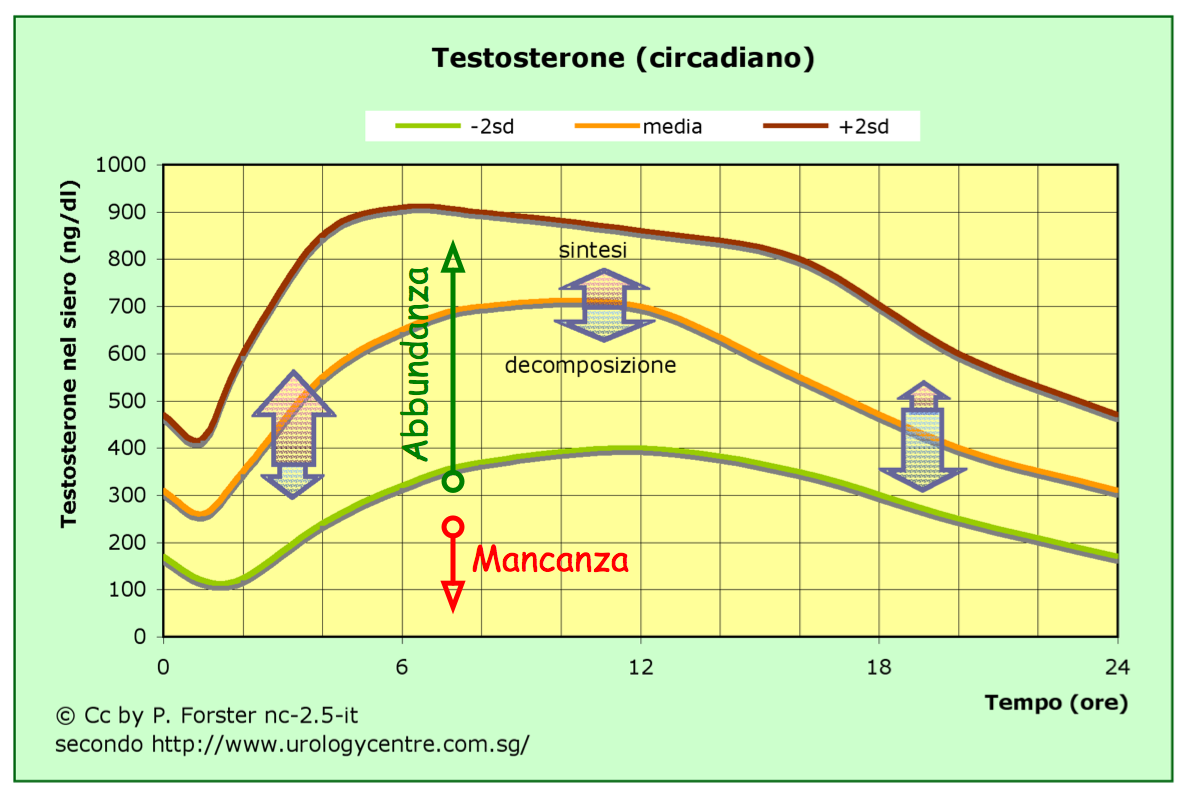
Hormones also follow daily rhythms. A blood draw taken at a different time, after an unusual night, can mislead. Clinicians commonly repeat morning testing when an initial result is low.
The meta-analysis pooled small experiments with different blood-draw schedules and deprivation protocols. Its total-deprivation finding is useful, but it should not be used to calculate a precise testosterone loss for one individual after one poor night.
Where a testosterone supplement fits—and does not
Max T is currently sold as a testosterone-support supplement powered by a branded ingredient system. It is a supplement, not testosterone replacement therapy, and its product claims do not establish that it corrects sleep-related hormone changes.
The product page offers one-, two- and three-bottle packages and describes third-party testing. Those are useful shopping details, but they are separate from proof that the finished formula treats clinically low testosterone or offsets sleep deprivation.
Review every ingredient and dose with a clinician if you take medication, have liver or kidney disease, or are being evaluated for infertility or prostate symptoms. Avoid combining multiple boosters with overlapping minerals and botanicals.
Over-the-counter testosterone supplements can also contain zinc, magnesium or vitamin D that duplicate a multivitamin. Add totals across products before use, since exceeding upper limits brings risk without proving a stronger hormone effect.
Fix the lever you can measure
Track actual sleep for two weeks, not just time in bed. Loud snoring, witnessed pauses, morning headaches and daytime sleepiness deserve a sleep-apnea evaluation. Stable wake time, morning light and enough sleep opportunity are practical first moves.
If symptoms persist, seek morning testosterone testing and clinical interpretation. The evidence does not support treating a booster as a substitute for sleep, diagnosis or prescribed hormone care.