Zinc, probiotics and IBS sleep claims: a new trial found no sleep benefit
A guide to a recent zinc-and-probiotic IBS trial, its null sleep result, biomarker changes and broader zinc sleep evidence.
A recent IBS trial changed zinc and oxidative-stress measures but not sleep quality, showing why biomarker findings should not become sleep claims.
The biomarker changed; sleep did not
Zinc and probiotics are both marketed around gut health, and the gut-sleep connection can make a combined product sound especially persuasive. A new randomized trial in people with irritable bowel syndrome offers a useful reality check: biological measures can change without a measurable sleep benefit. This guide treats the keyword as a candidate, not a claim of known demand.
The parallel randomized trial enrolled 84 participants with IBS and assigned zinc alone, zinc plus a probiotic or placebos for 90 days. The zinc dose supplied 20 milligrams of elemental zinc. Both zinc groups increased serum zinc and changed selected oxidative-stress measures compared with placebo.

What the IBS trial tested
Despite those laboratory changes, the investigators reported no significant between-group effect on sleep quality. The result matters because marketing summaries sometimes treat improved nutrient status or oxidative markers as proof of better sleep. A biomarker can be mechanistically interesting while the patient-reported outcome remains unchanged.
The trial also cannot answer whether another probiotic strain, zinc dose or deficient population would respond differently. Probiotic findings are strain- and formulation-specific, and a zinc-plus-probiotic arm does not show that every synbiotic product behaves similarly. IBS itself is heterogeneous, with symptoms and treatments varying among participants.
How the broader zinc literature compares
A systematic review of eight randomized studies found that zinc supplementation may improve some adult sleep-quality measures, yet results were inconsistent, doses ranged from 10 to 73.3 milligrams and effects on sleep disorders were not established. That broader uncertainty is consistent with reporting the new null sleep result rather than dismissing it.
Read elemental zinc per serving, not the weight of the zinc compound. The adult tolerable upper intake level in the United States is 40 milligrams per day from all sources. Long-term high intake can interfere with copper status, and zinc may interact with certain antibiotics. Multiple immune and sleep products can create hidden duplication.
The null sleep result is not a failed article; it is useful evidence. It tells readers that increasing serum zinc and changing oxidative markers did not necessarily improve the measured sleep outcome over 90 days in this IBS sample. Reporting that separation reduces the temptation to treat every biomarker shift as a clinical benefit. It also gives future researchers a clearer basis for selecting participants, strains and endpoints.
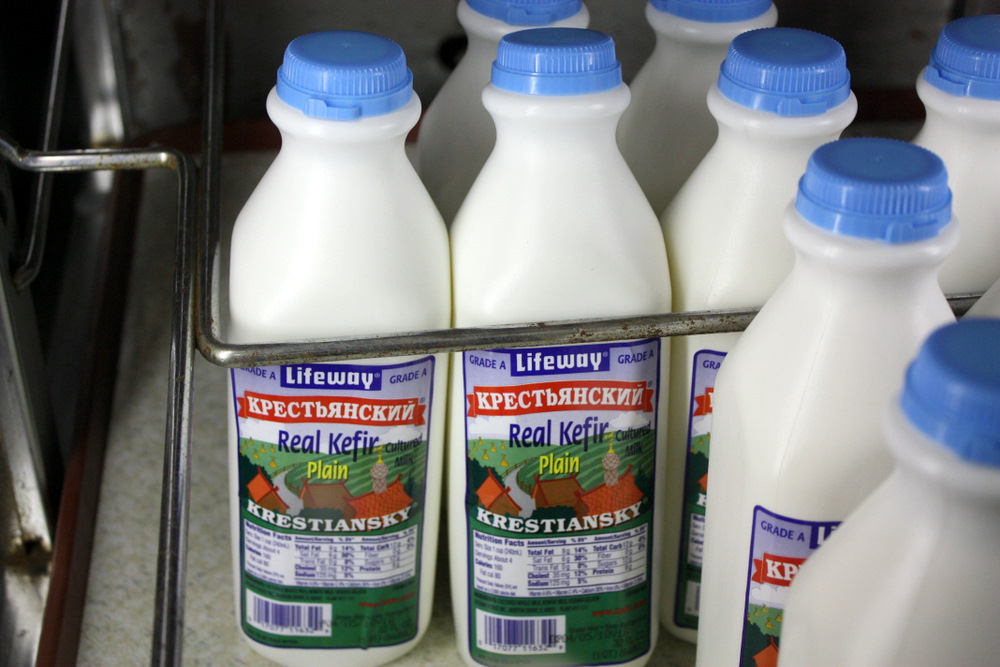
Check elemental zinc and probiotic strain
For probiotics, record genus, species, strain identifiers and viable count through the end of shelf life when provided. A larger total organism count is not proof of a sleep effect. People with severe illness or compromised immunity need special caution with live-microorganism products.
IBS symptoms can disturb sleep, and poor sleep can intensify the experience of gastrointestinal symptoms, but association does not prove that one supplement will correct both. Diet, stress, medicines and IBS subtype may modify the relationship. A trial designed primarily around zinc and oxidative measures may not settle all sleep questions, yet its controlled null comparison deserves more weight than a mechanism-only claim on a combined gut-sleep product.
Do not turn a mechanism into a promise
The evidence does not support using a zinc-probiotic formula as an established sleep treatment for IBS. The recent trial is valuable precisely because it separates laboratory changes from a null sleep outcome. Persistent sleep disruption or worsening IBS symptoms should be assessed on their own merits instead of inferred from a gut-health mechanism.
For verification, readers should open the linked research and confirm the publication type, participant group, comparator, intervention and reported conclusions. No medical reviewer, search volume, ranking or treatment result has been invented for this guide. The publication date labels the guide itself; it does not imply that every cited study was released today.
That verification step is especially important when a commercial page cites a review without naming the tested formulation or null findings. Evidence can be promising and still incomplete. The appropriate next step is clearer research and an individualized discussion when symptoms persist, not a stronger claim created by leaving uncertainty out.
Sources & further reading
This article provides educational information. Ask a qualified clinician or pharmacist about your symptoms, medical conditions, medicines and supplement interactions.