Apigenin for sleep: supplement claims run ahead of direct human evidence
Why chamomile studies and a new multi-ingredient trial do not prove isolated apigenin improves sleep, despite mechanistic marketing.

Direct human evidence for isolated apigenin remains scant; chamomile and multi-ingredient studies cannot validate a standalone apigenin capsule.
Indirect evidence dominates
Apigenin is a plant flavonoid present in chamomile and other foods. Standalone capsules are increasingly marketed for sleep, often using chamomile research or laboratory mechanisms as supporting evidence. The key question is whether isolated apigenin itself has been tested in controlled human sleep trials at the marketed dose. At present, direct evidence remains sparse.
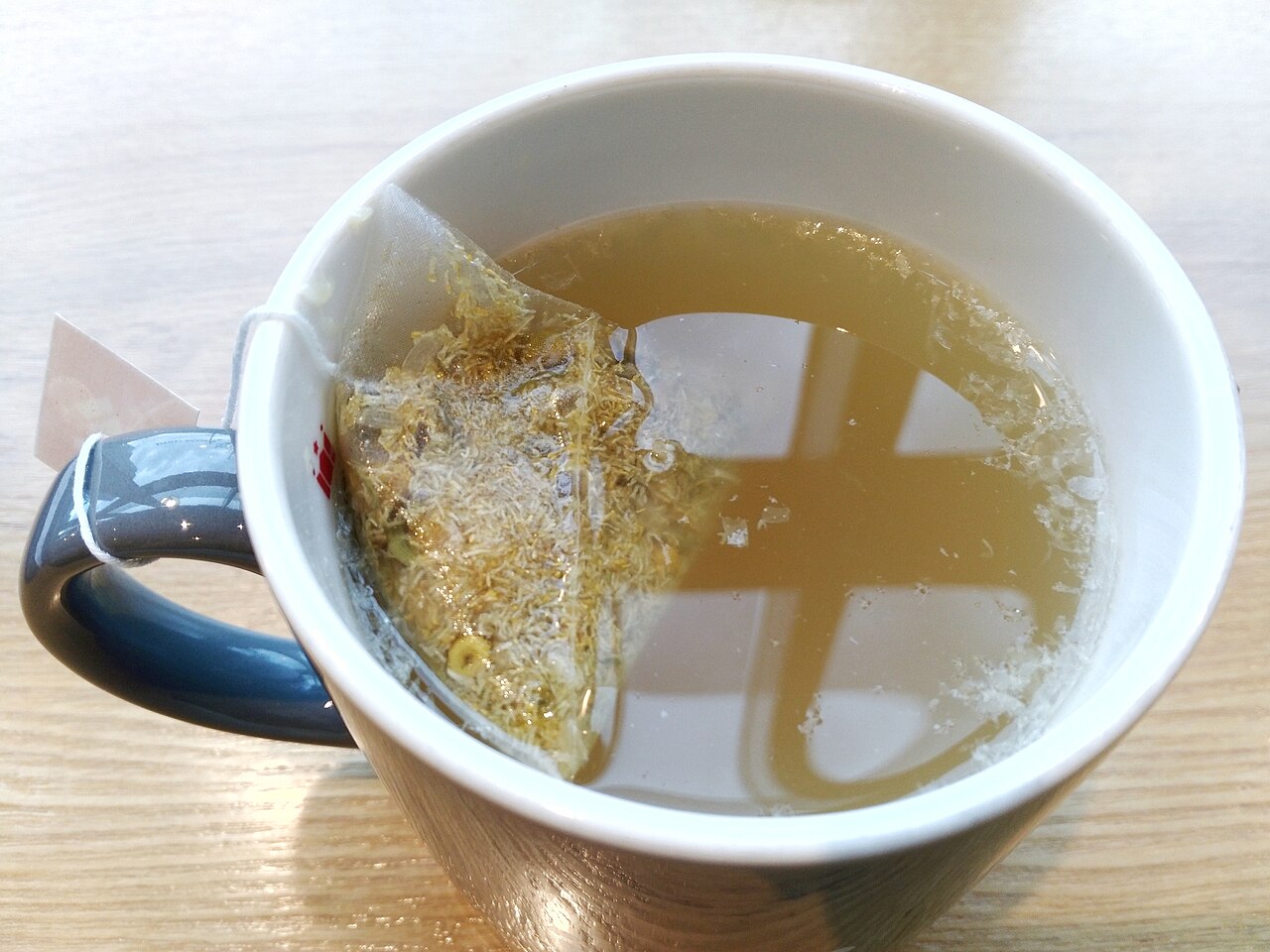
A chamomile trial in adults with primary insomnia used an extract that contained apigenin alongside many other plant compounds. It found no significant differences from placebo on the sleep variables studied. Even if a chamomile extract had produced a favorable result, the complete botanical mixture would not isolate apigenin as the active component.

Chamomile is not isolated apigenin
Other chamomile studies in particular populations have reported improved questionnaire scores, but preparation, dose and participant differences limit comparison. Chamomile tea, standardized flower extract and purified apigenin create different exposures. A milligram amount of isolated apigenin should not be presented as equivalent to a quantity of chamomile without validated composition data.
A 2026 randomized trial tested an evening formula containing magnesium L-threonate, L-theanine and 50 milligrams of apigenin, while the broader design also examined morning adaptogens. Because several active ingredients were combined, any change in stress or sleep cannot be attributed confidently to apigenin. The trial evaluates the formula, not each component.
A new formula still cannot isolate it
Mechanistic descriptions involving receptors or signaling pathways can explain why researchers are interested, but they are not clinical outcomes. A seller should not convert animal, cell or receptor data into a promise of deeper sleep in humans. Objective sleep architecture, subjective sleep quality and next-day function require direct measurement.
Read the apigenin amount, source, serving definition and all added ingredients. Some products combine it with magnesium, theanine, melatonin or herbs, making comparison with any isolated intervention impossible. A third-party laboratory report may verify identity and contamination; it does not supply missing efficacy evidence.
Apigenin marketing illustrates a common evidence ladder. Cell or animal findings establish biological interest; chamomile research examines a complex plant; a blend trial evaluates several active ingredients; and only a direct isolated-apigenin trial can test the standalone capsule. Skipping from the first three rungs to a confident human sleep claim is not justified. Each rung contributes context while leaving the central product question unanswered.
Food exposure is not a high-dose capsule
Safety data for concentrated, long-term standalone apigenin use are limited. Pregnancy, liver disease and medicine combinations warrant professional review, particularly when products are stacked with other sedating substances. A familiar dietary flavonoid does not guarantee that a high-dose capsule has the same exposure or safety profile as food.
A rigorous apigenin trial would verify the compound and dose, use a matching placebo, enroll people with a clearly defined sleep concern and specify one primary outcome. Polysomnography or actigraphy could complement diaries, and next-day alertness should be measured alongside nighttime sleep. Adverse events, medicine use and withdrawals would need transparent reporting. That design could show whether apigenin itself adds benefit rather than borrowing credibility from chamomile.
What better trials should test
The honest consumer conclusion is that isolated apigenin sleep marketing currently rests largely on indirect evidence. Chamomile and combination trials are relevant research context, not proof of a standalone capsule. Better trials should test characterized apigenin against placebo with objective and subjective outcomes before strong claims are made.
For verification, readers should open the linked research and confirm the publication type, participant group, comparator, intervention and reported conclusions. No medical reviewer, search volume, ranking or treatment result has been invented for this guide. The publication date labels the guide itself; it does not imply that every cited study was released today.
That verification step is especially important when a commercial page cites a review without naming the tested formulation or null findings. Evidence can be promising and still incomplete. The appropriate next step is clearer research and an individualized discussion when symptoms persist, not a stronger claim created by leaving uncertainty out.
Sources & further reading
This article provides educational information. Ask a qualified clinician or pharmacist about your symptoms, medical conditions, medicines and supplement interactions.