Black Cohosh for Menopause Sleep: One Objective Trial, Wider Uncertainty
Can black cohosh improve menopause-related sleep? This guide weighs one positive sleep-lab trial against broader mixed evidence and safety questions.
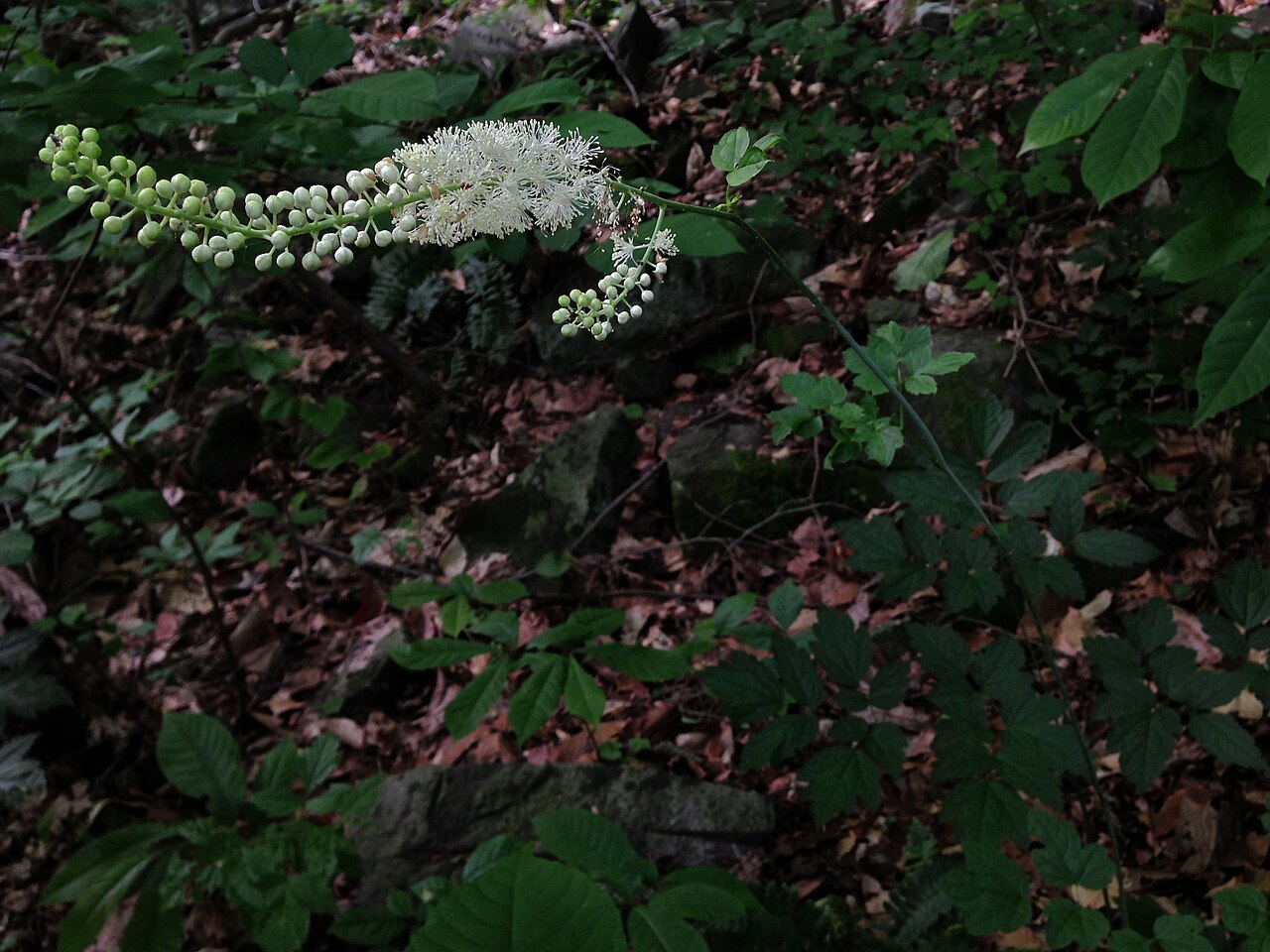
A small trial found objective sleep improvements, but larger menopause research and NIH guidance do not support treating every black cohosh product alike.
A sleep signal worth noticing—not overselling
Black cohosh is usually sold for hot flashes, yet one of its most practical research signals concerns sleep. In a six-month randomized trial, women with early postmenopausal sleep disturbance spent less time awake after falling asleep and showed better sleep efficiency on polysomnography.
That result is stronger than a testimonial because it came from overnight measurement. It is still only one small study. Forty-two women completed the trial, the product was a particular preparation, and the broader menopause literature has not consistently found black cohosh better than placebo.
The balanced takeaway is simple: black cohosh may be worth discussing when sleep trouble travels with menopause symptoms, but it is not a general insomnia remedy and should not be assumed to work across brands.
Sleep efficiency is the percentage of time in bed actually spent asleep. Wake after sleep onset counts minutes awake after the first transition into sleep. Both measures can improve even when total time in bed stays the same, which is why the overnight data are informative.
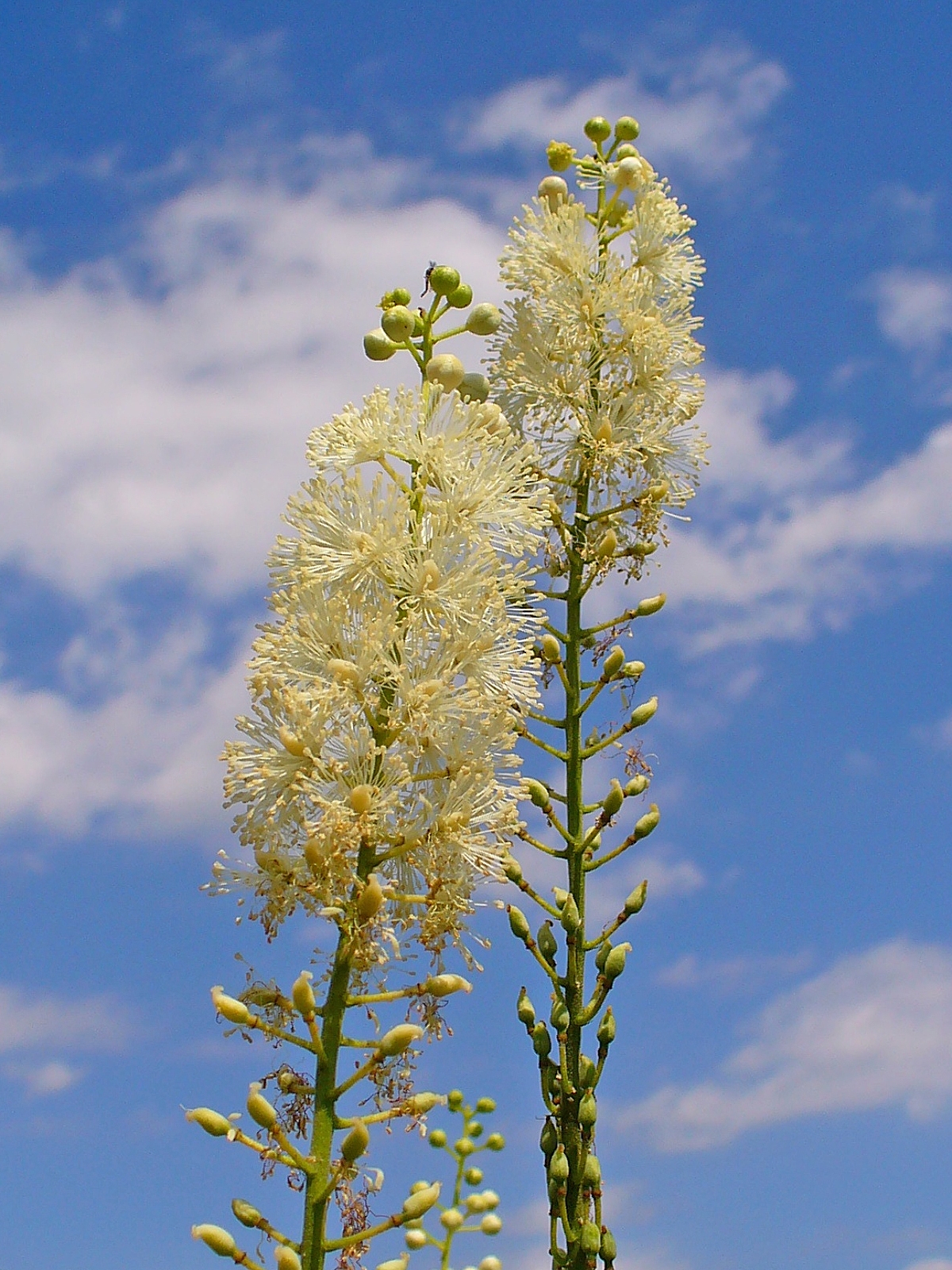
What the sleep-lab trial measured
The study enrolled women ages 45 to 60 with a major sleep complaint and randomly assigned them to black cohosh or placebo. Researchers used polysomnography and the Pittsburgh Sleep Quality Index at the beginning and end, plus menopause quality-of-life measures and safety monitoring.
Compared with placebo, black cohosh improved sleep efficiency and reduced wake after sleep onset. The self-reported sleep score moved in a favorable direction but was less decisive. That distinction matters: objective sleep continuity improved even though the questionnaire signal was not equally strong.
The trial does not tell us whether the same result would appear in people with untreated sleep apnea, severe depression, restless legs or medication-driven insomnia. It also cannot establish long-term safety beyond the study period.
A six-month study also cannot answer what happens after a year or two of use. Menopause symptoms often change naturally over time, so a benefit observed during one phase may not remain stable as hot flashes and sleep patterns evolve.
Why larger menopause trials cool the enthusiasm
A separate one-year trial assigned 351 women with hot flashes or night sweats to black cohosh, multibotanical regimens, hormone therapy or placebo. The herbal groups did not meaningfully reduce vasomotor symptom frequency or intensity compared with placebo.
That trial did not target sleep disturbance in the same way, so it does not directly cancel the sleep study. It does show why “helps menopause” is too broad a claim. A product might affect one symptom in one population and still fail on a different primary outcome.
NIH’s Office of Dietary Supplements notes that black cohosh preparations vary widely and that evidence for menopausal symptoms is insufficient or inconsistent. Exact botanical identity, extraction method and standardization belong in any serious comparison.
The larger trial’s negative vasomotor result is especially relevant when a shopper hopes better sleep will come entirely from fewer hot flashes. If the preparation does not reliably change hot flashes, any sleep effect may depend on a different mechanism or a narrower group.
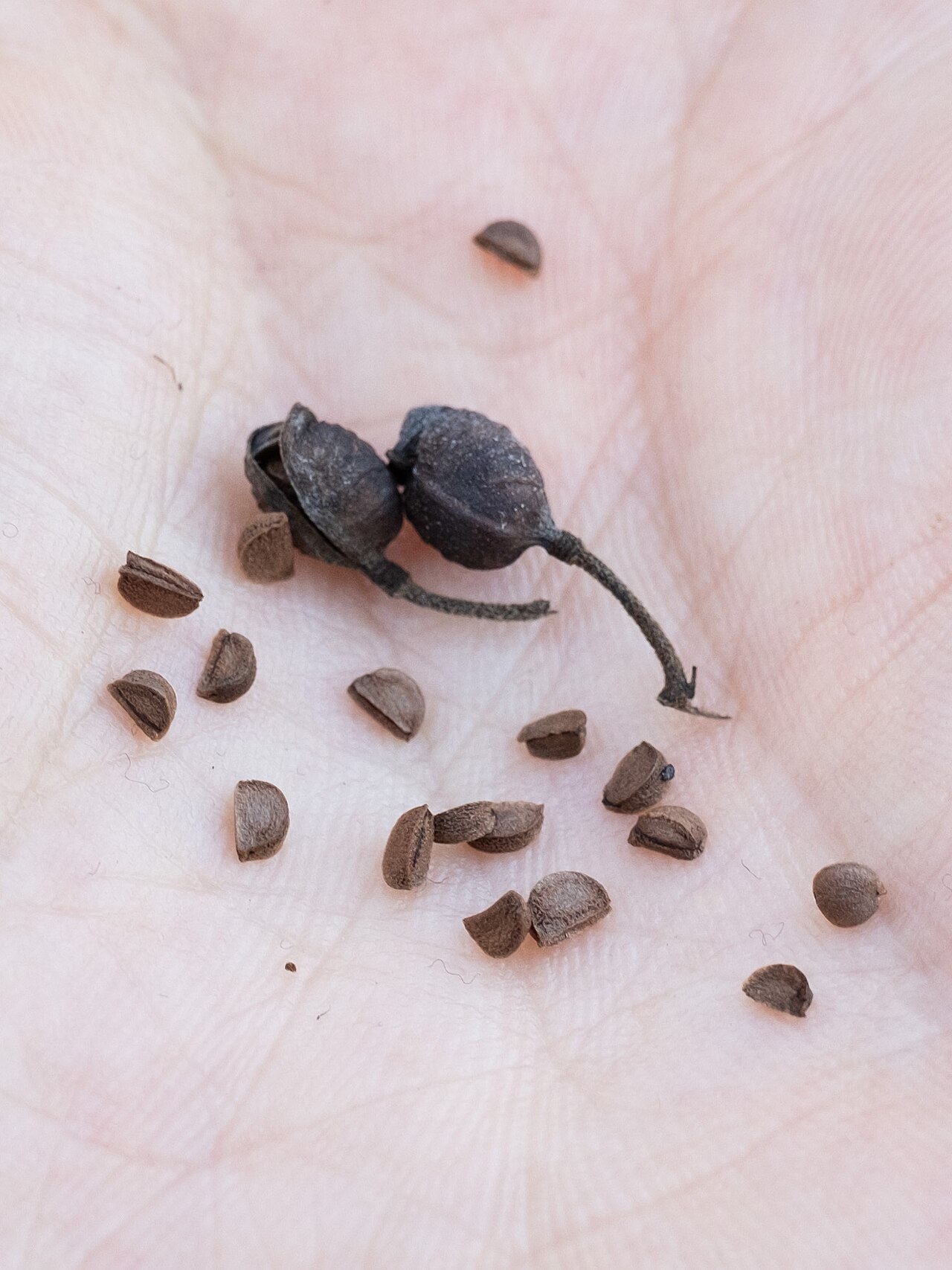
Safety deserves a short, clear place
Short clinical trials generally report few serious adverse effects, but long-term human data are limited. Reports of liver injury have been associated with black cohosh products, although a causal link is uncertain and some products may have been adulterated or misidentified.
Stop and seek medical advice for dark urine, yellowing skin or eyes, unusual abdominal pain, or other signs of liver trouble. People with liver disease should avoid self-starting black cohosh. Pregnancy, breastfeeding and hormone-sensitive conditions also deserve clinician guidance.
Choose products that identify Actaea racemosa, the plant part, extract amount and quality testing. A bottle that lists only “black cohosh blend” gives too little information to connect it with published research.
Quality testing matters because mistaken plant species and undeclared ingredients can make both efficacy and safety impossible to interpret. Independent certification does not prove a benefit, but it can add confidence that the contents more closely match the label.
Build the sleep plan around the cause
Night sweats, hot flashes, anxiety and sleep apnea can all fracture sleep during and after the menopause transition. Track which event wakes you, then bring that pattern to a clinician. Treatment choices differ when the main problem is temperature, breathing, mood or conditioned insomnia.
Black cohosh’s objective sleep finding is interesting enough to keep on the evidence map. It is not strong enough to replace a diagnosis, proven menopause care or a product-specific safety check.