Holy basil for stress and sleep: one branded-extract trial needs replication
What an eight-week holy basil trial found, how wearable and questionnaire outcomes differ and why extract matching matters.
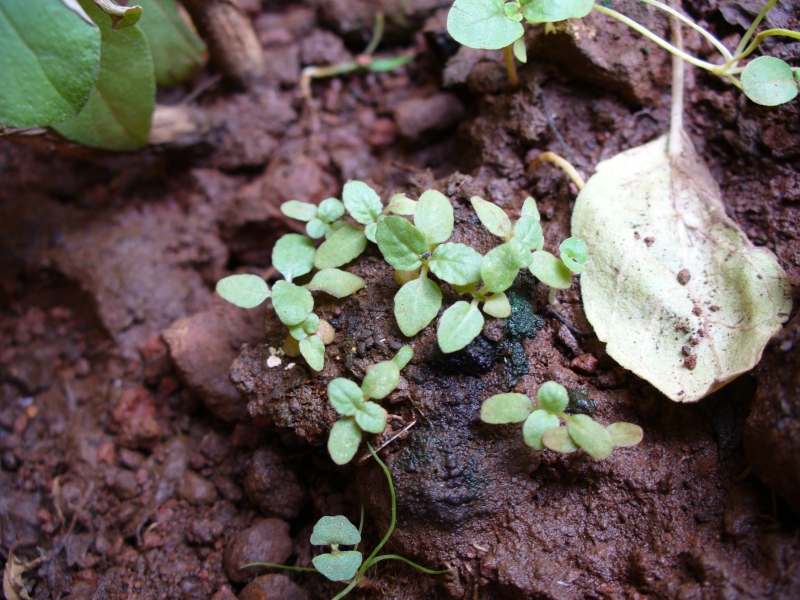
One branded extract improved selected stress and subjective sleep measures, but independent replication and gold-standard sleep testing are still needed.
A standardized extract was tested
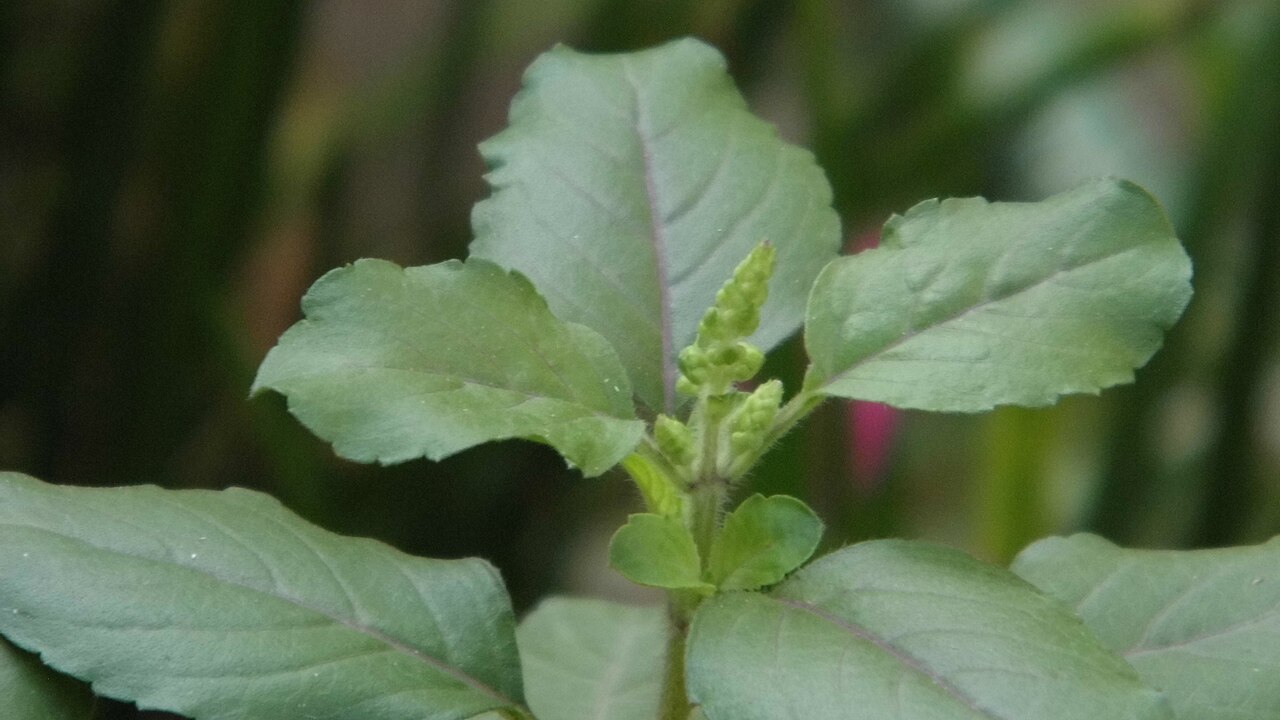
Holy basil, also called tulsi or Ocimum tenuiflorum, appears in teas, capsules and adaptogen blends. One controlled trial evaluated a branded standardized extract for stress and sleep. That is more relevant than tradition alone, yet the evidence remains product-specific and should not be stretched across every tulsi format.
The eight-week randomized double-blind trial enrolled 100 adults experiencing stress. Participants received 125 milligrams of extract twice daily or placebo. Perceived-stress and Athens Insomnia Scale scores improved more with the extract, and hair cortisol was lower at week eight.
Stress and sleep findings
During a laboratory stress task, the active group also had lower salivary cortisol, amylase, blood-pressure and subjective-stress responses. Those converging measures are interesting, but they do not demonstrate treatment of an anxiety disorder or explain whether the change improved daily function.
Sleep quality included questionnaires and a wrist-worn tracker. The investigators specifically called for gold-standard objective sleep measurement to substantiate sleep findings. Consumer wearables can estimate patterns but do not equal polysomnography or a clinical diagnosis.
Holy basil’s traditional reputation may increase expectations, making blinding quality important. A capsule trial can use a matched placebo more easily than a tea study, but taste or bodily sensations may still reveal treatment. Reports should describe allocation concealment, blinding checks and withdrawals. Those details help distinguish the extract’s contribution from study participation and expectation. They also matter before a single branded trial becomes the basis for broad claims across teas, gummies and blended powders.
Wearables are not polysomnography
A prior systematic review of human tulsi studies found a range of possible clinical effects, but the literature varied widely in indication, preparation and quality. A broad review cannot serve as independent replication of this specific sleep-and-stress result.
Compare botanical identity, plant part, extraction ratio, marker compounds and amount per serving. Tea prepared at home is not dose-equivalent to the standardized extract. Multi-adaptogen formulas cannot attribute any effect to holy basil unless the mixture itself is tested.
Hair cortisol integrates exposure over time but can be influenced by sampling, cosmetic treatment and analytical methods. Salivary cortisol during a laboratory challenge measures a different time scale. The fact that several stress measures moved in the same direction strengthens interest, yet a consumer should still ask whether participants experienced a clinically meaningful improvement. Biomarker convergence is not identical to a diagnosed condition being treated.
Label and medicine questions
Holy basil may affect blood glucose, blood pressure, bleeding or medicine response. Pregnancy, surgery and use with diabetes or anticoagulant medicines warrant professional review. Lower laboratory blood pressure is not automatically desirable for a person prone to dizziness.
The trial’s sleep result was based partly on subjective instruments and a consumer-grade tracker. Future research should include actigraphy validated for research or polysomnography when the question involves sleep architecture. It should also report next-day alertness, because a calming product can produce unwanted drowsiness. A successful stress supplement should not be judged solely by nighttime scores if daytime safety or function worsens.
Replication is the next step
The fairest conclusion is that one well-described product produced encouraging selected outcomes over eight weeks. Independent trials with stronger sleep measures, longer follow-up and diverse participants are needed before holy basil can be described as an established stress or insomnia treatment.
Readers can verify this guide by opening the linked sources and checking the participant group, intervention, comparator, duration, prespecified outcomes and adverse-event reporting. No medical reviewer, keyword volume, ranking or treatment result has been invented. The article date identifies an evergreen guide, not a claim that every cited paper was published today.
Uncertainty is a result, not permission to fill gaps with a stronger claim. Readers should keep the tested dose and population attached to the finding and seek individualized advice when symptoms are persistent, severe, or complicated by medicines. Future evidence may change the conclusion, but current reporting should remain proportional to what has actually been measured.
Sources & further reading
This article provides educational information. Ask a qualified clinician or pharmacist about your symptoms, medical conditions, medicines and supplement interactions.