Cordyceps for insomnia: a positive fermentation-drink trial conflicts with an adjunct study
A comparison of a positive Cordyceps fermentation-drink trial and a negative Cordyceps militaris adjunct study.

A defined fermentation beverage improved questionnaire scores, while another Cordyceps preparation failed as an adjunct, making product-specific interpretation essential.
Cordyceps is a category, not one intervention
Cordyceps products include cultivated fungal material, fermented mycelial preparations, extracts and drinks. Species and manufacturing can change composition substantially. Two insomnia trials reached different conclusions, offering a useful example of why the category name cannot stand in for the tested intervention.
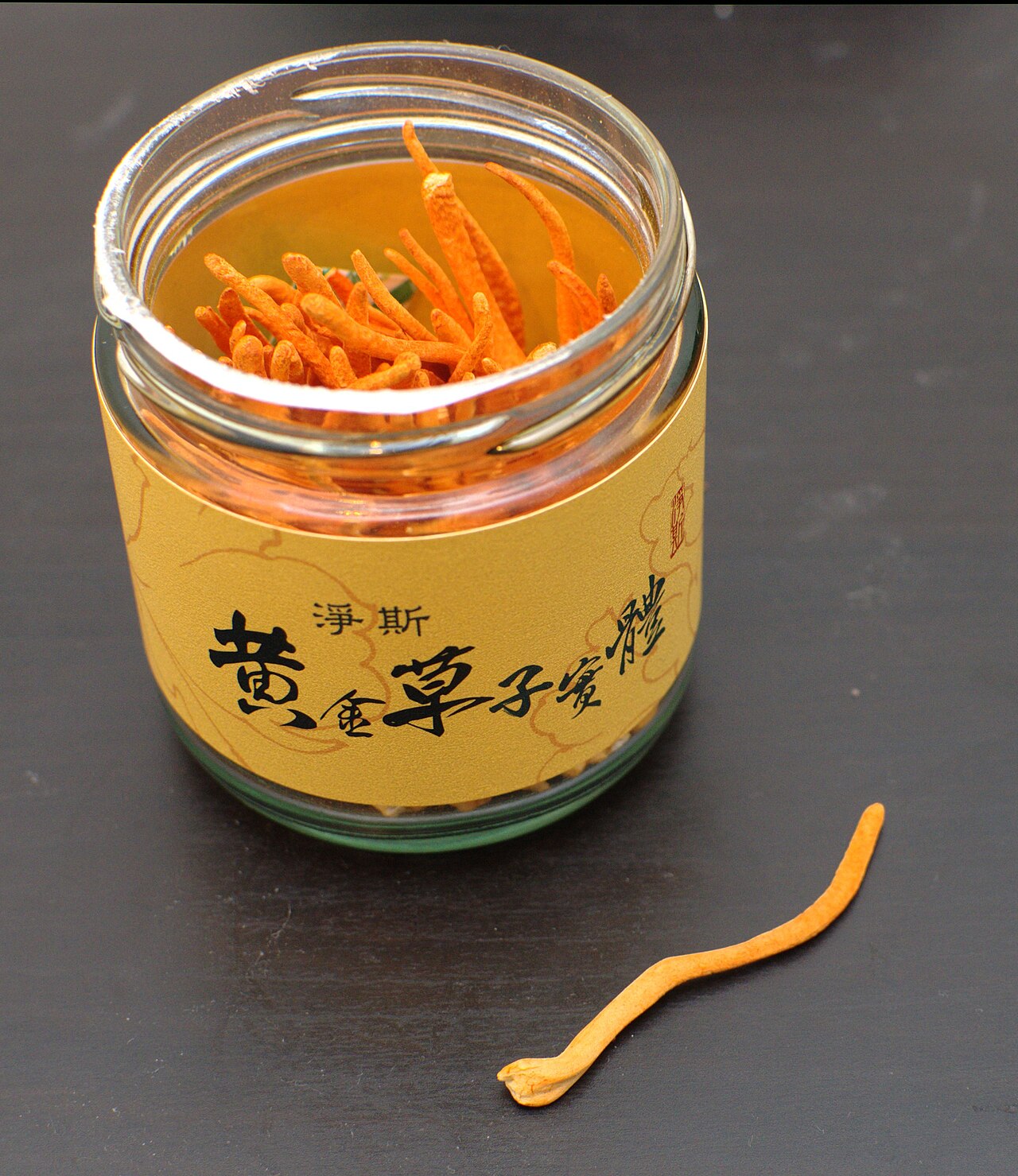
A randomized study enrolled 90 patients with primary insomnia and compared 150 milliliters per day of a Cordyceps sinensis fermentation liquid with placebo for 28 days. Pittsburgh Sleep Quality Index totals and several components improved more in the active group, with adherence supported through a digital tool.
The positive beverage study
The outcomes were questionnaire based, and follow-up lasted four weeks. The study does not establish long-term safety, objective sleep architecture or equivalence to a capsule containing a different cultured organism. The beverage’s complete composition and fermentation process are part of the intervention.
A separate six-week double-blind study enrolled 59 people with depression and insomnia who were taking duloxetine. Adding Cordyceps militaris did not improve sleep; some insomnia scores declined more in the placebo group, and depressive outcomes did not differ.
Questionnaire subscales use ordinal scores, so a lower number does not translate directly into minutes of extra sleep. Reporting each subcomponent can look comprehensive while increasing the number of statistical tests. Readers should identify the prespecified primary endpoint and any correction for multiple comparisons. Objective actigraphy or polysomnography would provide a different layer of evidence. A future Cordyceps trial should combine those measurements with next-day function and transparent product chemistry.
The negative adjunct trial
Different species, formulas, populations and concurrent treatment may explain the conflict. Primary insomnia is not the same clinical setting as insomnia accompanying depression. One positive and one negative study should not be averaged informally into a confident class-wide claim.
Labels should state species, cultured material, fruiting body or mycelium, extraction or fermentation method, serving amount and quality testing. A cordycepin number may characterize a product but does not prove that it reproduces a clinical outcome.
The positive study used a fermentation liquid containing cordycepin, not a generic dried mushroom powder. Fermentation can change metabolites, concentration and bioavailability. A capsule labeled Cordyceps may contain another species, cultured mycelium or an extract with no demonstrated equivalence. Matching a study therefore requires more than finding the same common name. The serving matrix, amount and manufacturing process are part of what was randomized.
Why the studies can disagree
Mushroom allergy, digestive effects, immune conditions and medicine interactions require attention. People taking antidepressants should not add an insomnia supplement without discussing it with their prescriber. Worsening depression or self-harm thoughts require urgent help.
The negative adjunct study is equally important because participants were already receiving duloxetine and had depression with insomnia. Concurrent treatment can create ceiling effects, interactions or a different sleep trajectory. The placebo group’s larger improvement on some scores warns against assuming additive benefit. It does not prove all Cordyceps products worsen sleep; it shows that this specific adjunct did not deliver the advertised direction in that setting.
Keep conclusions formulation-specific
The evidence supports a narrow statement about one fermentation drink, not Cordyceps in general. The negative adjunct trial reinforces that formulation and population matter. Replication with objective sleep measures would materially strengthen the case.
Readers can verify this guide by opening the linked sources and checking the participant group, intervention, comparator, duration, prespecified outcomes and adverse-event reporting. No medical reviewer, keyword volume, ranking or treatment result has been invented. The article date identifies an evergreen guide, not a claim that every cited paper was published today.
Uncertainty is a result, not permission to fill gaps with a stronger claim. Readers should keep the tested dose and population attached to the finding and seek individualized advice when symptoms are persistent, severe, or complicated by medicines. Future evidence may change the conclusion, but current reporting should remain proportional to what has actually been measured.
Sources & further reading
This article provides educational information. Ask a qualified clinician or pharmacist about your symptoms, medical conditions, medicines and supplement interactions.