Passionflower for insomnia: one trial is a starting point, not a final answer
How to interpret a two-week passionflower insomnia trial, placebo comparisons, short follow-up, and product matching.
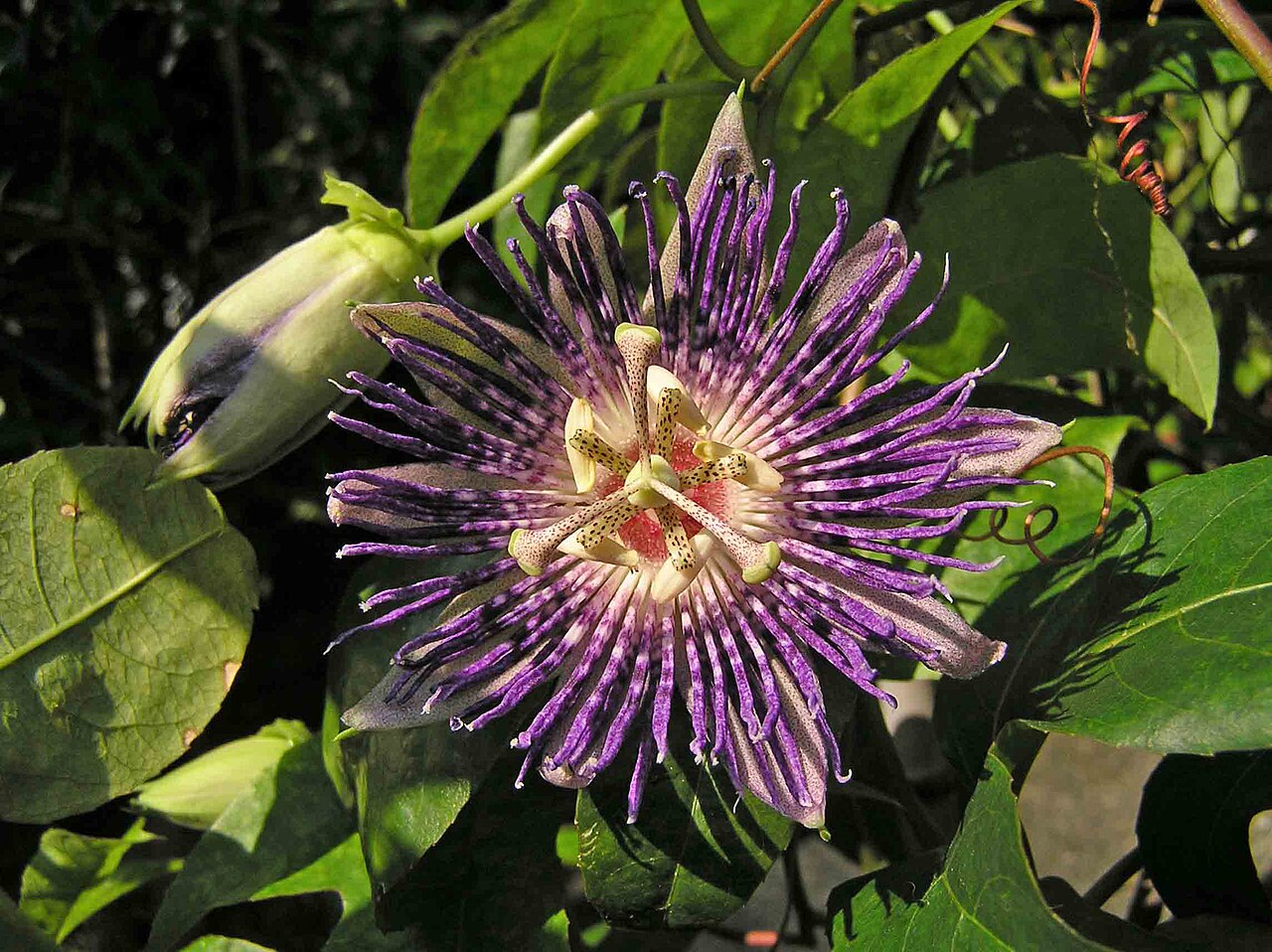
One two-week extract trial reported about 23 more minutes of total sleep time on average, while sleep-efficiency and nighttime-wakefulness changes did not significantly beat placebo.
The clearest trial enrolled adults meeting insomnia criteria
Passionflower's sleep reputation rests on a limited clinical literature, including a randomized trial in 110 adults who met DSM-5 criteria for insomnia disorder. That is a more specific population than people who occasionally enjoy a relaxing evening tea. The trial is useful because it tested an extract against placebo and included overnight polysomnography, which records sleep physiologically rather than relying only on memory.
Participants received the passionflower extract or placebo for two weeks. Researchers also collected sleep diaries and questionnaires addressing insomnia severity and sleep quality. The combination of methods gave several views of sleep, but the brief treatment period remains important. The study examined a short intervention; it did not establish what happens after continuous use for a season or a year.
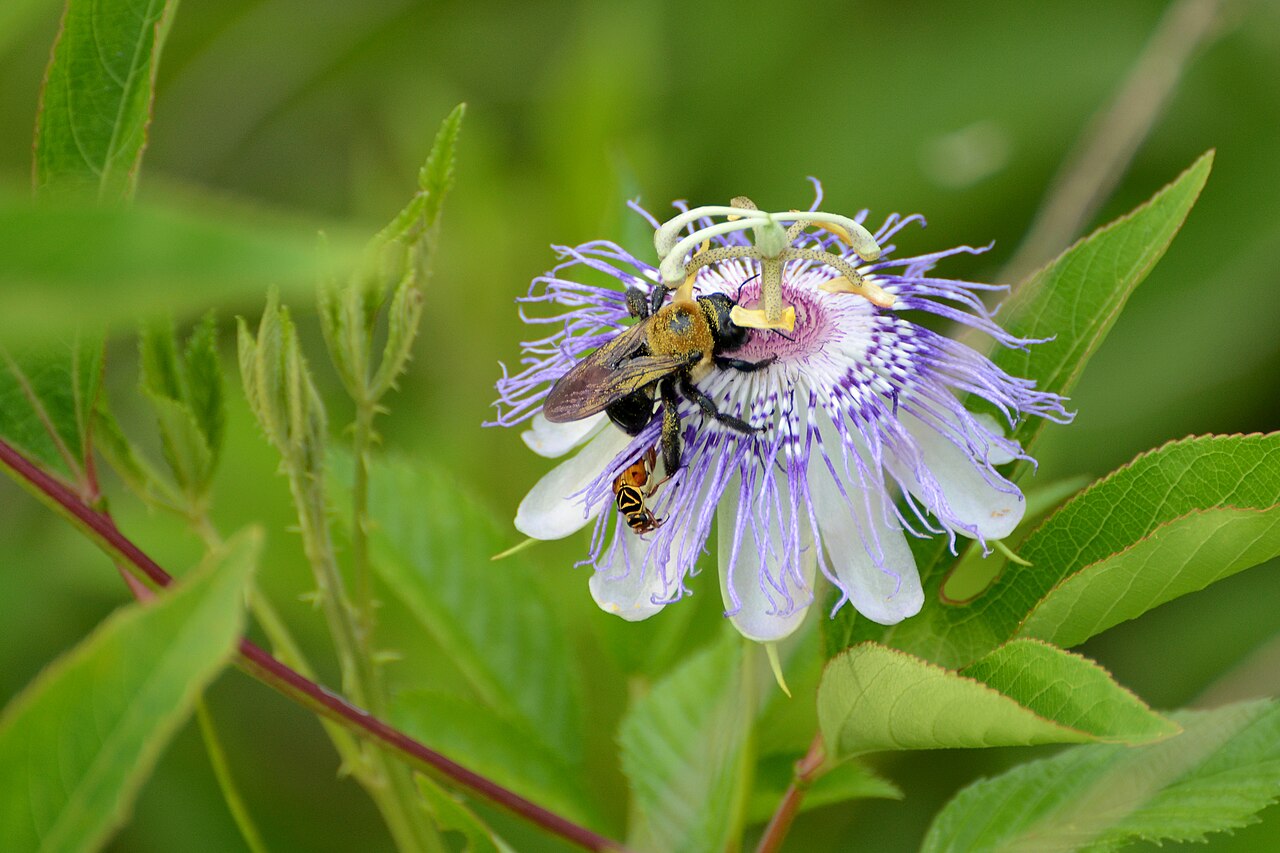
About 23 additional minutes was a group average
Total sleep time increased by an average of about 23 minutes in the passionflower group, compared with essentially no change in the placebo group. The between-group result had a P value of 0.049. This provides a positive signal, but a value just below the conventional statistical threshold does not by itself establish a large or dependable benefit for an individual patient.
The spread of responses was wide: the reported standard deviations for the changes were around 54 minutes in each group. The average therefore should not be converted into a promise that everyone gains 23 minutes. Some people may experience a different response, and the study's summary estimate cannot tell a reader exactly how their own sleep would change.
Improvement within one group does not settle the comparison
Sleep efficiency and time awake after initially falling asleep improved from baseline within the passionflower group. Those measures did not significantly differ from placebo, however. This is central to a fair reading. A list of favorable before-and-after findings can sound like proof of fewer awakenings or better efficiency when the randomized comparison did not support those broader conclusions.
The distinction also explains why a headline saying the extract improved all objective sleep parameters would be misleading. The strongest reported comparison concerned total sleep time. Other measures left uncertainty. Reading the outcome separately is particularly useful for someone whose main concern is prolonged awakenings rather than total time asleep, because the clinical question they care about may be the less-settled one.
The study tested an extract for only two weeks
An extract, a home-brewed tea, and a blended capsule do not automatically deliver the same intervention. Plant material, preparation, and additional ingredients can differ. A commercial formula should not cite the 110-person trial as evidence for itself without explaining how it compares with the preparation tested. A shared passionflower name is insufficient to resolve those differences.
Likewise, the trial does not determine the best amount or timing for every user. Its protocol describes an experiment in a selected population. Applying it to a person with medicine use, another sleep disorder, or a different health history requires more than copying a research schedule from an advertisement. The authors themselves called for further study of clinical efficacy.
Botanical identity and sedation affect the practical question
NCCIH identifies the relevant species as Passiflora incarnata and describes the human sleep evidence as small, with mixed findings across outcomes. Its safety information includes possible drowsiness, dizziness, and confusion. These effects matter when someone is evaluating next-day functioning, driving, or a routine that already includes other products intended to make them sleepy.
The same source warns against use during pregnancy and highlights possible interactions with anesthesia and medicines used around surgery. People planning a procedure or taking medicines should discuss passionflower specifically, rather than describing their routine only as herbal. Food-flavoring use also should not be treated as evidence that every concentrated bedtime extract is appropriate in every circumstance.
Persistent insomnia deserves a broader plan
For long-term insomnia, NHLBI describes cognitive behavioral therapy for insomnia as a usual first treatment option. That approach addresses patterns that maintain insomnia and is a different kind of intervention from adding an herb. A supplement discussion should not obscure assessment of persistent symptoms or the availability of care directed at the sleep disorder itself.
Passionflower therefore has a preliminary, bounded finding: one short trial reported more total sleep time on average, while several other comparisons were not favorable against placebo. The result deserves accurate reporting and replication. It supports interest in the extract studied, without establishing that any passionflower product reliably improves every form of insomnia or every part of the night.
Sources & further reading
This article provides educational information. Ask a qualified clinician or pharmacist about your symptoms, medical conditions, medicines and supplement interactions.