Kava for anxiety: product differences do not erase liver safety questions
A measured look at kava research, differences between products, liver injury reports, and claims that natural products are automatically gentle.

Kava product distinctions should not be used to dismiss documented liver safety concerns or the risks of sedating combinations.
Identify the product and the claim
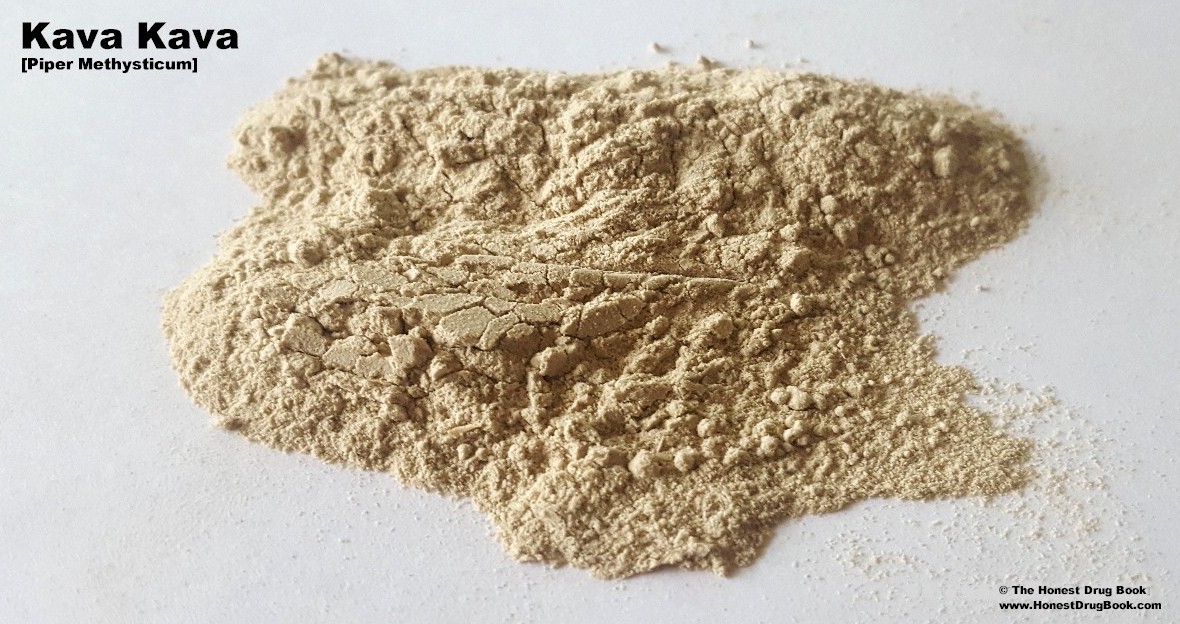
Kava appears in traditional beverage discussions, specialty drink menus, and supplement products marketed for relaxation or anxiety. Those contexts can encourage different assumptions about safety. A consumer article needs to identify the product and the intended use rather than treating every preparation as interchangeable or assuming that the word traditional resolves the questions surrounding a modern concentrated product.
NCCIH describes research on kava for anxiety alongside substantial investigation of rare but sometimes severe liver injury. Its summary says evidence varies by the anxiety question and does not establish usefulness for every condition. The presence of some favorable research does not remove the need to weigh the safety information. Benefit and harm belong in the same evaluation.
Read benefit and harm together
When a claim says kava helps anxiety, ask how anxiety was defined and measured. General symptoms and a diagnosed disorder are not automatically the same study population. Look for the exact intervention, the comparison, the length of follow-up, and the outcome. Without those details, the statement may sound more clinically decisive than the underlying research allows.
The same principle applies to safety claims. A short study with few participants may be unable to detect uncommon harms, especially harms that occur outside its follow-up period. Absence of a problem in a limited trial cannot establish that a product carries no risk. Readers should not have to infer safety from a favorable symptom score or a statement that participants generally tolerated the intervention.
Avoid simplistic safety explanations
NCCIH reports that liver injury cases have involved different types of kava products, including some prepared with water. That makes a categorical reassurance based only on the extraction method too simple. Several explanations have been proposed, but uncertainty about the mechanism should not be converted into certainty that an individual retail product is exempt from concern.
A product seller may emphasize a plant variety, plant part, or preparation technique. Those details may be relevant to research, but a label statement is not itself evidence that the specific product cannot cause harm. The useful question is what direct, credible evidence supports the safety claim and whether the comparison addresses the outcomes and duration that matter to actual users.
Review sedating combinations
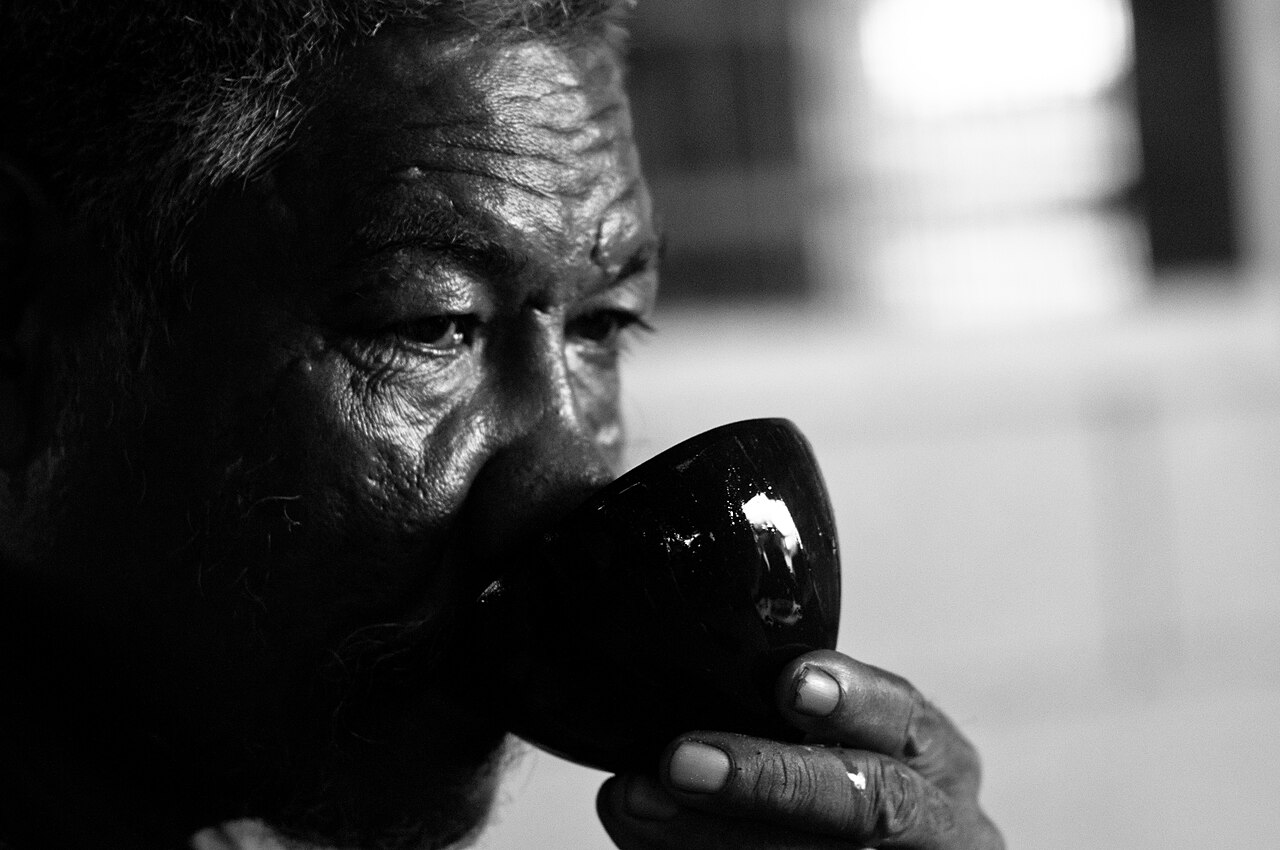
Combining substances is another important part of the decision. NCCIH advises against using kava with other sedating substances such as alcohol or benzodiazepines. A drink marketed as an alternative way to relax can still interact with a person's existing routine. The atmosphere in which a product is sold does not change the need to identify everything being consumed.
Someone taking medicines, living with liver disease, pregnant, or breastfeeding needs advice that accounts for those circumstances. The complete label and product form are useful to bring to a professional discussion. This is particularly important with blends: the prominent kava name may not show every ingredient, and additional substances can create separate questions about effects, interactions, and appropriate care.
Keep anxiety care broader than a purchase
Persistent or impairing anxiety also deserves attention beyond a supplement comparison. A purchase cannot determine the cause or select the most suitable treatment for an individual. Describe the pattern, duration, and effect on daily functioning when seeking help. Repeatedly switching relaxation products can make the routine more complicated without answering the underlying question of what support is needed.
Kava reporting should neither erase its cultural context nor use that context to dismiss safety evidence. The useful conclusion is specific: product details matter, research has limits, and liver injury concerns remain relevant. A reader should be able to see both possible benefits and material risks before deciding what questions to bring to a clinician, rather than receiving a simple promise of natural calm. The relevant comparison includes the quality of the evidence as well as the appeal of the setting in which the product is sold.
Sources & further reading
This article provides educational information. Ask a qualified clinician or pharmacist about your symptoms, medical conditions, medicines and supplement interactions.