Lemon balm for stress and sleep: preparation differences shape the evidence
A guide to lemon balm extracts, foods and aromatherapy studies, with attention to small trials, preparation differences and alertness.
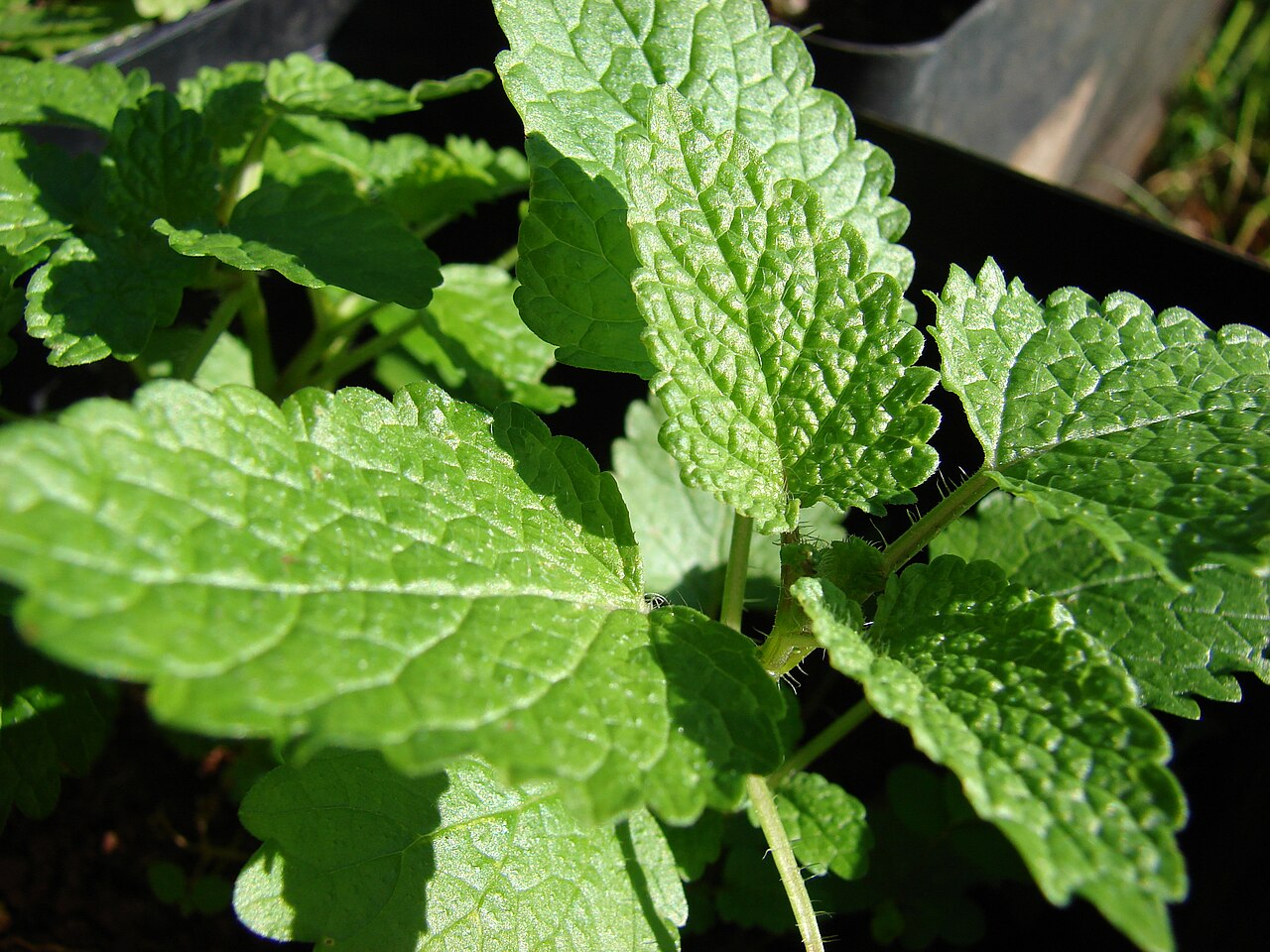
Small controlled studies report selected mood effects, but preparation-dependent findings and limited sleep trials do not support a universal calming or insomnia claim.
Why the preparation matters
Lemon balm appears in capsules, teas, drinks, yogurt products, tinctures and aromatherapy. Those formats can contain very different chemical profiles, so the plant name alone is not enough to connect a product with a study. An oral standardized extract cannot automatically borrow findings from an essential oil or a food matrix. This evergreen guide treats the target keyword as a candidate rather than a measured search-volume claim.
A double-blind crossover experiment gave 18 healthy volunteers single doses of 300 or 600 milligrams of a standardized extract before a laboratory stress task. The higher dose increased self-rated calmness and reduced alertness; the lower dose was linked with faster mathematical processing. With only 18 people and acute dosing, the study is useful for generating questions but cannot establish treatment of chronic stress, anxiety or insomnia.
What small controlled studies found
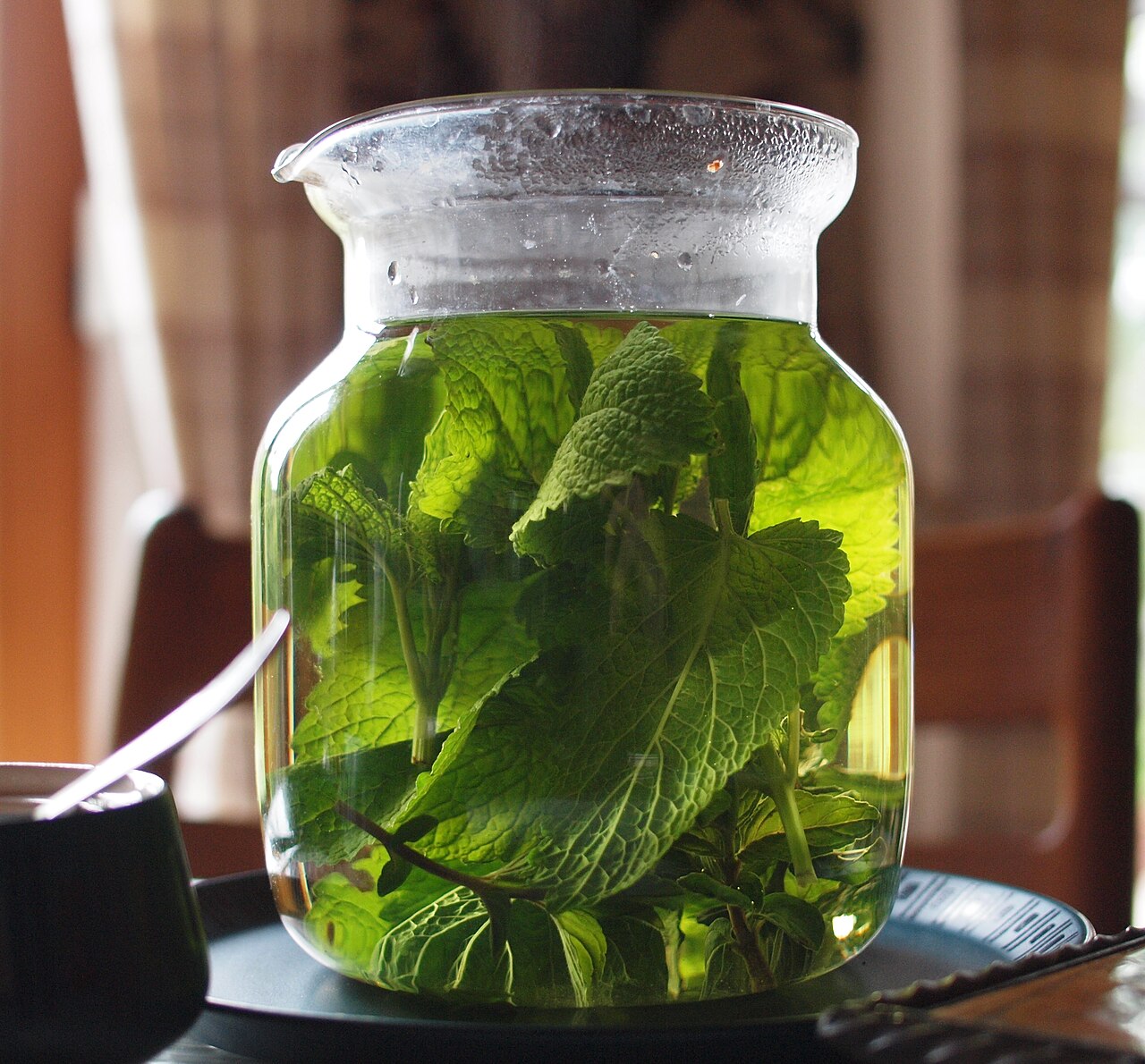
Two additional crossover studies tested a standardized preparation delivered in a beverage or yogurt. Some mood or cognitive measures improved, but effects depended on dose and delivery matrix, and the authors described behavioral costs at some doses. This mixed pattern is more informative than a simple calming label because it shows that formulation and amount may change the experience.
A 2026 integrative review concluded that lemon balm findings are strongly preparation-dependent and that clinical evidence is most consistent for symptom-oriented stress, anxiety and sleep outcomes, while still calling for chemically characterized products and stronger trials. A 2024 clinical review likewise said more robust randomized research is required. Reviews summarize the available studies; they do not make heterogeneous products interchangeable.
Where reviews place the evidence
Stress-task ratings, daytime alertness, sleep quality and a diagnosed sleep disorder are different outcomes. Reduced alertness during an acute test might be undesirable for driving or work and is not proof of restorative sleep. A product page should identify the outcome actually measured and report null or unfavorable results rather than converting every mood change into an all-day wellness promise.
Check the species, plant part, extraction method, amount per serving and every additional active ingredient. Tea strength cannot be translated into a capsule dose without composition testing. A standardized rosmarinic-acid statement may improve product description, but it does not prove clinical benefit. Third-party certification can address manufacturing questions while remaining separate from evidence of effectiveness.
When reading a lemon balm paper, make a three-column note for the product used, the task performed and the time of measurement. An acute dose tested one hour before a laboratory challenge cannot answer what happens after nightly use for months. A result in calmness may accompany reduced alertness, which could be a tradeoff rather than an unqualified benefit. This simple audit keeps the positive finding intact while preventing it from becoming a claim about chronic anxiety, insomnia or daytime performance.
Label and safety questions
Short human studies provide limited information about long-term use, pregnancy or interactions with sedating medicines. Someone using sleep medicines, anxiety medicines, alcohol or several calming supplements should review the complete routine with a pharmacist or clinician. Unexpected drowsiness is relevant even if the product is described as gentle or traditional.
Preparation details also affect reproducibility. Researchers need botanical authentication, plant part, extraction solvent, marker compounds and stability data; consumers rarely see all of that on a label. If those details are missing, a failed replication might reflect a different intervention rather than a clear contradiction. Conversely, a matching plant name is not enough to declare replication. Better lemon balm research will connect chemical characterization with clinically meaningful sleep and stress outcomes.
A measured conclusion
The current literature supports continued research, not a general recommendation that lemon balm treats insomnia or anxiety. A careful conclusion stays linked to the tested extract, dose, population and time frame. Persistent sleep difficulty, severe distress or impaired daytime function needs appropriate assessment rather than repeated changes among lemon balm formats.
Sources & further reading
This article provides educational information. Ask a qualified clinician or pharmacist about your symptoms, medical conditions, medicines and supplement interactions.