Chamomile tea and chamomile extracts: avoid treating them as the same study
Why tea, extracts, anxiety studies, and insomnia outcomes need separate treatment when evaluating chamomile claims.
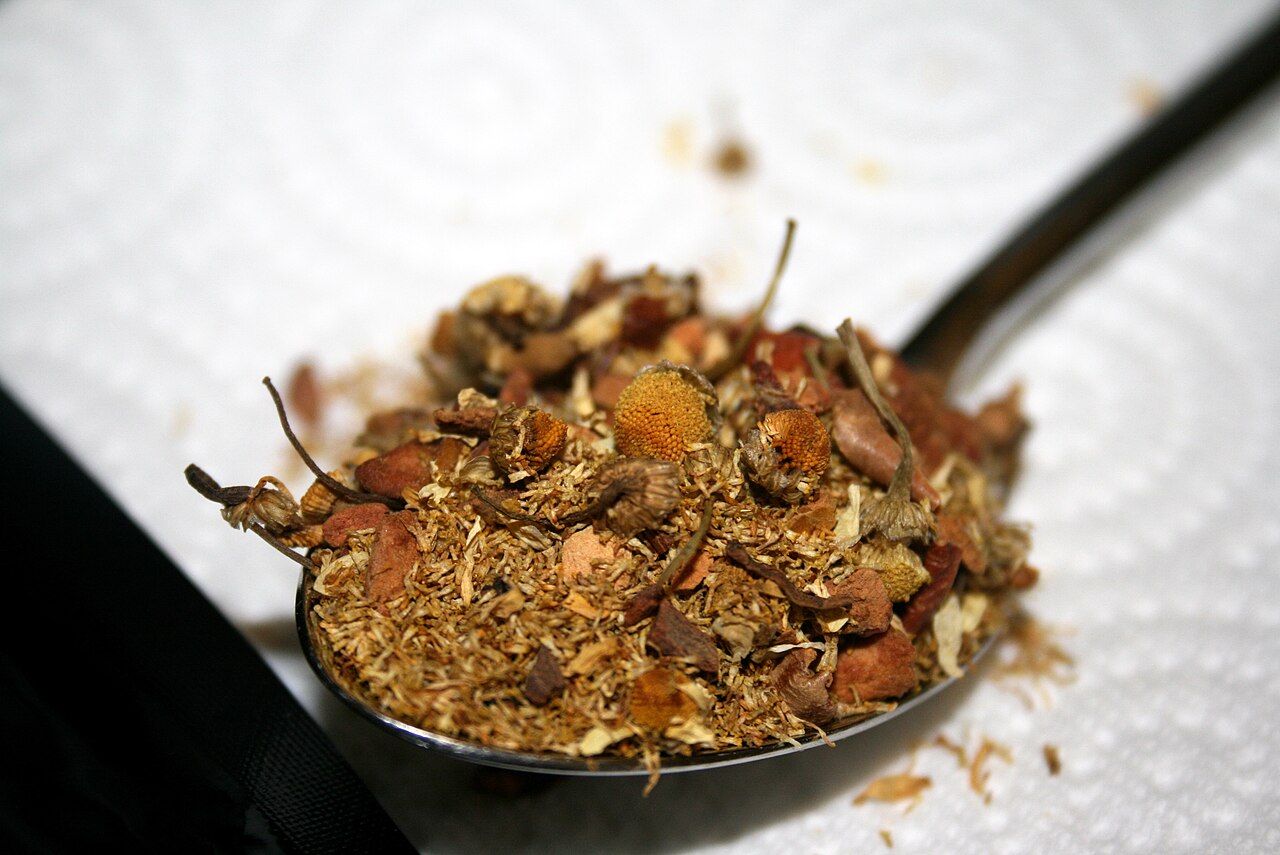
A chamomile extract study does not automatically validate tea or an insomnia claim; form and outcome must match the evidence.
Identify the form being discussed
A cup of chamomile tea can be part of a pleasant evening ritual without being a proven treatment for insomnia. That distinction becomes important when research about a concentrated supplement is used to market tea, or when an anxiety study is summarized as evidence for better sleep. The plant name may be shared while the intervention and the question are different.
NCCIH describes preliminary research on chamomile supplements for generalized anxiety disorder, while noting limited information about insomnia. Its summary does not support a broad claim that chamomile reliably treats sleep disorders. A reader should be able to enjoy a beverage and still ask for stronger evidence before accepting a medical-sounding promise printed on a capsule or drink mix.

Keep anxiety and sleep outcomes separate
The first comparison is the form. A trial of a particular extract may specify how it was prepared and what amount was given. A tea made at home varies with the product and preparation. Without evidence connecting them, these should not be treated as identical interventions. The same caution applies when a supplement uses a different chamomile preparation from the one studied.
The second comparison is the outcome. An anxiety score, sleep-onset measure, and total sleep time each answer a different question. Improvement in one may be relevant, but it does not establish improvement in all of them. A product description should not merge these outcomes into an undefined promise that the ingredient supports calm and restorative sleep in every circumstance.
Look at what the comparison proves
The control group helps clarify what the study demonstrates. Did researchers compare the intervention with a placebo, a different intervention, or no added routine? A study design may not separate the effects of the ingredient from expectations or other aspects of participating. Knowing the comparator gives a reader a more realistic sense of what the result can support.
Sample size and follow-up also matter. A small, short study can provide a reason for further research without proving that regular use delivers a lasting benefit. This is especially important when a product is sold as a nightly habit. A limited experiment should be reported as a limited experiment, with its unanswered questions left intact rather than covered by confident marketing language.
Check allergies and medicines
Safety cannot be inferred solely from familiarity as a tea. NCCIH notes that people allergic to related plants, including ragweed, may be more likely to react to chamomile. It also describes reported or possible drug interactions, including with warfarin and sedatives. The relevant discussion depends on the actual product and the person, rather than the pleasant associations attached to an herbal beverage.
Someone taking medicines or managing a medical condition should provide a clinician or pharmacist with the complete ingredient information. Chamomile may be only one part of a blend, and additional ingredients can create separate concerns. If a person has had an allergic reaction or an unexpected symptom, assuming that the product is harmless because it is a familiar herb is not a useful assessment.
Preserve the value of an ordinary preference
For ordinary shopping, distinguish a taste preference from an efficacy claim. It is reasonable to choose an evening tea because it is enjoyable, while remaining unconvinced that it treats insomnia. That framing avoids asking a simple beverage to carry a medical promise. It also makes comparison easier: flavor, ingredients, price, and personal suitability can be evaluated without inventing a clinical benefit.
Chamomile reporting should therefore identify the form, population, and outcome before drawing a conclusion. Tea research, extract research, anxiety research, and sleep research may overlap in interesting ways, but they should not be swapped freely. Clear distinctions protect the reader's ability to make an informed choice and keep a pleasant routine from being mistaken for an established treatment for persistent sleep problems.
Sources & further reading
This article provides educational information. Ask a qualified clinician or pharmacist about your symptoms, medical conditions, medicines and supplement interactions.