Echinacea for Anxiety: The Main Outcome Was No Better Than Placebo
Echinacea is being studied for anxiety, but the largest six-week trial missed its primary endpoint. Here is how to read the secondary signals.
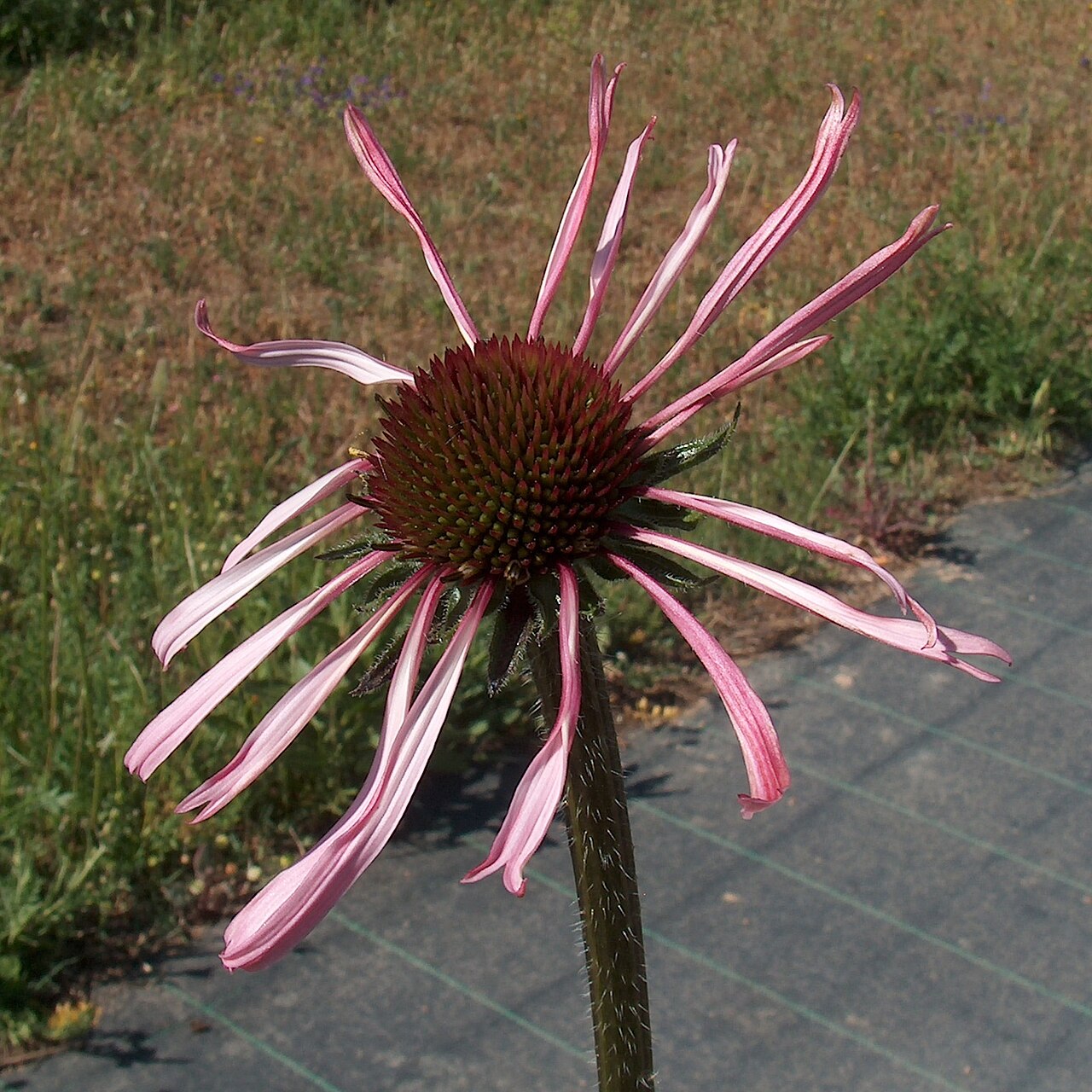
A specific Echinacea angustifolia extract improved some mood measures but not the main anxiety outcome in a six-week trial.
The headline should start with the primary result
Echinacea’s anxiety research is intriguing, but the clearest six-week trial did not show a greater improvement than placebo on its primary anxiety scale. That belongs at the top of the story, not hidden beneath positive secondary outcomes.
The same study did find better positive and negative affect and emotional well-being with a specific Echinacea angustifolia extract. Those signals can guide future research. They do not justify saying echinacea is a proven anxiety treatment.
This distinction helps shoppers avoid a common trap: a product page may spotlight the favorable measure while ignoring the outcome the trial was designed to test.
Primary outcomes are chosen before researchers see the results. Giving them priority protects against a study becoming a search for any favorable number. Secondary outcomes remain useful, but they are better treated as leads for the next trial.

Inside the larger six-week trial
Researchers randomized 108 adults with mild-to-moderately severe anxiety to placebo or one of two doses of a standardized Echinacea angustifolia extract. Participants took 40 or 80 milligrams daily for six weeks.
Anxiety scores improved in all groups, but the extract groups were not better than placebo on the Clinically Useful Anxiety Outcome Scale. Secondary measures of affect, emotional well-being and some quality-of-life domains favored echinacea.
Because those were secondary outcomes, they carry more risk of a chance finding. The trial authors themselves called for validation. That is the right level of confidence for readers, too.
The Bergen Insomnia Scale was included, which makes the trial relevant to a sleep-and-stress audience. It did not turn the preparation into a demonstrated sleep aid. Anxiety, affect, emotional well-being and insomnia are related measures, not interchangeable labels.
Earlier short research looked more positive
An earlier study tested a related extract in healthy volunteers who scored high on a trait-anxiety questionnaire. The higher dose reduced scores within several days, while the lower dose did not. The human portion was short and used self-reported symptoms.
A newer analysis has also suggested that results can shift depending on whether a scale emphasizes mental or physical anxiety symptoms. That is scientifically useful, but it does not permit choosing only the scale that flatters the product.
Together, the studies suggest a hypothesis: some standardized extracts might influence certain mental aspects of mild anxiety. They do not establish a class effect for echinacea teas, cold remedies or mixed herbal formulas.
Short studies can also miss delayed adverse effects and tell us little about repeated courses. Echinacea’s widespread use for respiratory illness does not automatically establish the safety of daily, long-term use for anxiety.
Species and extract are not fine print
Echinacea is a genus, not one uniform ingredient. E. angustifolia, E. purpurea and E. pallida can have different constituent profiles. Root, aerial parts and extraction solvents also change what ends up in the capsule.
The anxiety trials used a named, standardized E. angustifolia extract. A label that says only “echinacea 500 mg” cannot be matched to that evidence. More milligrams of a different preparation are not automatically equivalent.
Echinacea can cause allergic reactions, particularly in people sensitive to plants in the daisy family. Immune conditions, immunosuppressant medicines, pregnancy and breastfeeding warrant professional guidance rather than a casual experiment.
Because respiratory products often combine echinacea with zinc, elderberry or other herbs, a cold-season bottle may be especially poor for testing an anxiety hypothesis. A single-ingredient label reduces confusion even when the evidence remains uncertain.
A better next step for anxiety
Start with the pattern: constant worry, panic episodes, trauma symptoms, medication effects and sleep deprivation call for different responses. Evidence-based therapy and appropriate medical care have a far stronger foundation than echinacea.
If a clinician agrees that a supplement trial is reasonable, match the exact species and extract, track one validated symptom measure, and set a stop date. The fairest conclusion remains that secondary mood signals are interesting, while the main six-week anxiety outcome was negative.