Hops for sleep: combination trials cannot reveal what hops contributed
A guide to hops-and-valerian insomnia trials, combination-product attribution, subjective versus objective sleep and product matching.

Valerian-hops combinations produced modest or inconsistent findings, but combination trials cannot establish that hops alone improves insomnia.
Most studies test a combination
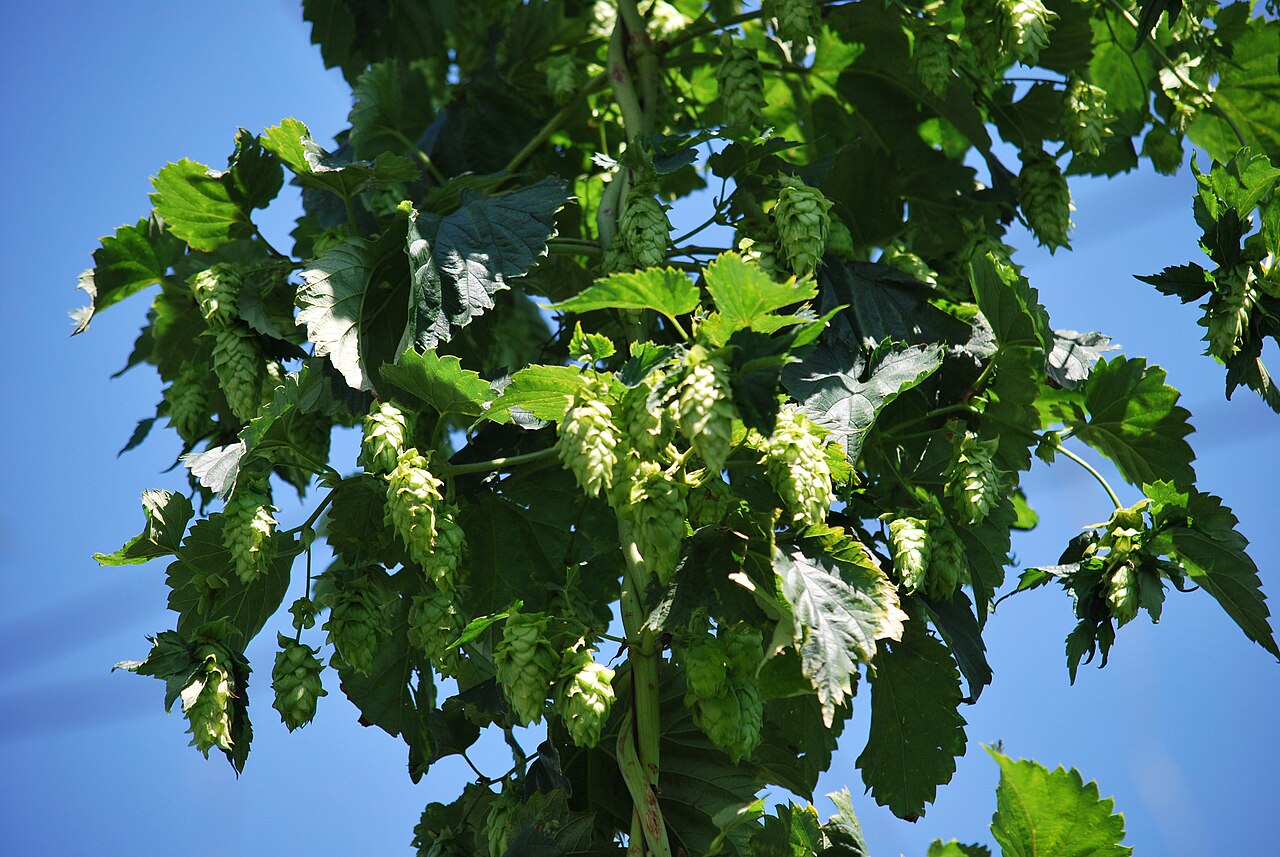
Hops is familiar as a brewing ingredient and also appears in sleep teas, capsules and multi-herb formulas. Much of the human sleep literature tests hops with valerian rather than hops alone. That distinction matters: a combination trial can evaluate the complete formula, but it usually cannot show which ingredient produced a benefit or whether either ingredient would work separately.
A multicenter randomized trial enrolled 184 adults with mild insomnia and compared a standardized valerian-hops combination, diphenhydramine and placebo. The herbal combination produced modest subjective changes, but few comparisons with placebo reached statistical significance. Polysomnography found no significant group differences in sleep-continuity variables or major sleep-stage changes.
Subjective and objective results diverged
Some questionnaire or clinician ratings improved at particular time points, while objective measures did not. Subjective and objective sleep data can both be valuable, but they answer different questions. A balanced summary reports their disagreement rather than choosing the measure that makes the formula look most effective.
A review of valerian and hops studies found that many trials reported improvement in at least one sleep parameter, yet designs differed substantially and the authors called for further rigorous randomized research. Because valerian was often present, the review cannot establish a stand-alone hops effect. It also cannot validate a modern gummy with different extracts and amounts.
Why hops cannot be isolated
Insomnia severity, sleep latency, total sleep time, efficiency and next-day function should remain separate. A modest change in a diary does not establish treatment of chronic insomnia. Trials in mild insomnia do not necessarily apply to sleep apnea, restless legs, circadian disorders or severe daytime sleepiness.
Product labels should identify the hops species, plant part, extraction ratio or standardization, amount per serving and the dose of every companion herb. A proprietary blend that hides ingredient amounts cannot be matched closely to the trial. Beer is not an evidence-based hops delivery method; alcohol can disrupt sleep and adds separate risks.
Combination evidence creates an attribution problem that cannot be solved by ingredient order on the label. If valerian and hops are administered together, a favorable result could reflect valerian, hops, an interaction, expectations or chance. A factorial trial with separate valerian, hops, combination and placebo groups would answer more. Until such research exists, a statement about a valerian-hops formula should not be shortened to hops is clinically proven for sleep.

Read the blend and the risks
Combining hops products with alcohol, sedating antihistamines, sleep medicines or other calming herbs may increase drowsiness. Long-term safety and use in pregnancy are not settled by a four-week trial. A pharmacist or clinician can assess the complete routine when medicines or safety-sensitive work are involved.
Timing also changes the practical question. A four-week study can report end-of-study diaries and next-morning effects, but it cannot establish indefinite safety or what happens after repeated cycling. Consumers should note whether an intervention causes morning grogginess, changes driving safety or interacts with alcohol. For chronic insomnia, the goal is not simply sedation on one night; it is reliable sleep and daytime function without creating another problem.
Keep insomnia care broader
The appropriate conclusion is about the tested combination: selected subjective benefits were modest, objective differences were absent, and hops could not be isolated. Chronic insomnia is better addressed through assessment and evidence-based care, including cognitive behavioral therapy for insomnia, than by assuming a single component of a blend is proven.
For verification, readers should open the linked research and confirm the publication type, participant group, comparator, intervention and reported conclusions. No medical reviewer, search volume, ranking or treatment result has been invented for this guide. The publication date labels the guide itself; it does not imply that every cited study was released today.
That verification step is especially important when a commercial page cites a review without naming the tested formulation or null findings. Evidence can be promising and still incomplete. The appropriate next step is clearer research and an individualized discussion when symptoms persist, not a stronger claim created by leaving uncertainty out.
Sources & further reading
This article provides educational information. Ask a qualified clinician or pharmacist about your symptoms, medical conditions, medicines and supplement interactions.