L-Ornithine for Stress and Sleep: Two Trials, Two Different Signals
A practical guide to L-ornithine for stress, fatigue and sleep, including what two randomized trials found and what the label cannot promise.
Small trials suggest L-ornithine may affect some stress and fatigue measures, but the results do not establish it as an insomnia treatment.
The useful answer first
L-ornithine has a more interesting human evidence base than many obscure bedtime ingredients, but it still belongs in the “promising, not proven” column. One eight-week trial reported better perceived sleep and lower cortisol measures. A newer seven-day stress-test trial found no cortisol effect, although some next-morning mood scores improved.
That mixed pattern is useful. It suggests the question is not simply whether ornithine “works.” The better questions are which outcome matters, who was studied, what dose was used, and whether a short laboratory stress response resembles the problem you want to solve.
If persistent insomnia is the issue, ornithine should not displace cognitive behavioral therapy for insomnia or a medical check for sleep apnea, restless legs, medication effects or depression. A supplement trial can be a small experiment; it should not become a delay in getting a recurring problem assessed.
What the eight-week worker trial found
The 2014 randomized, double-blind trial enrolled 52 generally healthy Japanese adults who reported mild stress and fatigue. Participants took 400 milligrams of L-ornithine or placebo daily for eight weeks. Researchers measured serum cortisol and DHEA-S, mood, insomnia symptoms and perceived sleep quality.
Compared with placebo, the ornithine group had lower cortisol and a lower cortisol-to-DHEA-S ratio. Anger scores fell, and one perceived sleep-quality measure improved. Those are encouraging signals, but they came from a small, specific group and mostly from questionnaires and blood markers rather than a sleep laboratory.
The study also involved researchers affiliated with the ingredient industry. That does not erase the results, but it raises the value of independent replication. The trial tested a defined dose and schedule, not every ornithine powder, blend or food source.
Why the newer stress-test trial matters
A 2024 randomized trial gave 65 healthy adults either 1,600 milligrams of L-ornithine or placebo for seven days. On the test day, participants faced the Trier Social Stress Test, a standardized public-speaking and mental-arithmetic challenge designed to provoke a short stress response.
Ornithine did not change salivary cortisol. It did improve fatigue-inertia and anger-hostility scores the next morning versus placebo. That is not a failed study, but it is a narrower result than a headline promising “lower cortisol.” It also differs from the older trial’s biomarker finding.
Dose alone cannot explain the contrast: the newer study used more ornithine for less time and a different stress model. Duration, timing, participant characteristics and measurement method all changed at once. That is why cross-trial comparisons should stay cautious.
How to read an ornithine label
Look for the amount of L-ornithine per serving, the serving schedule and whether the product adds other active ingredients. A blend that hides individual amounts cannot be matched to either trial. Ornithine hydrochloride is also not the same label wording as an equal weight of free-form L-ornithine.
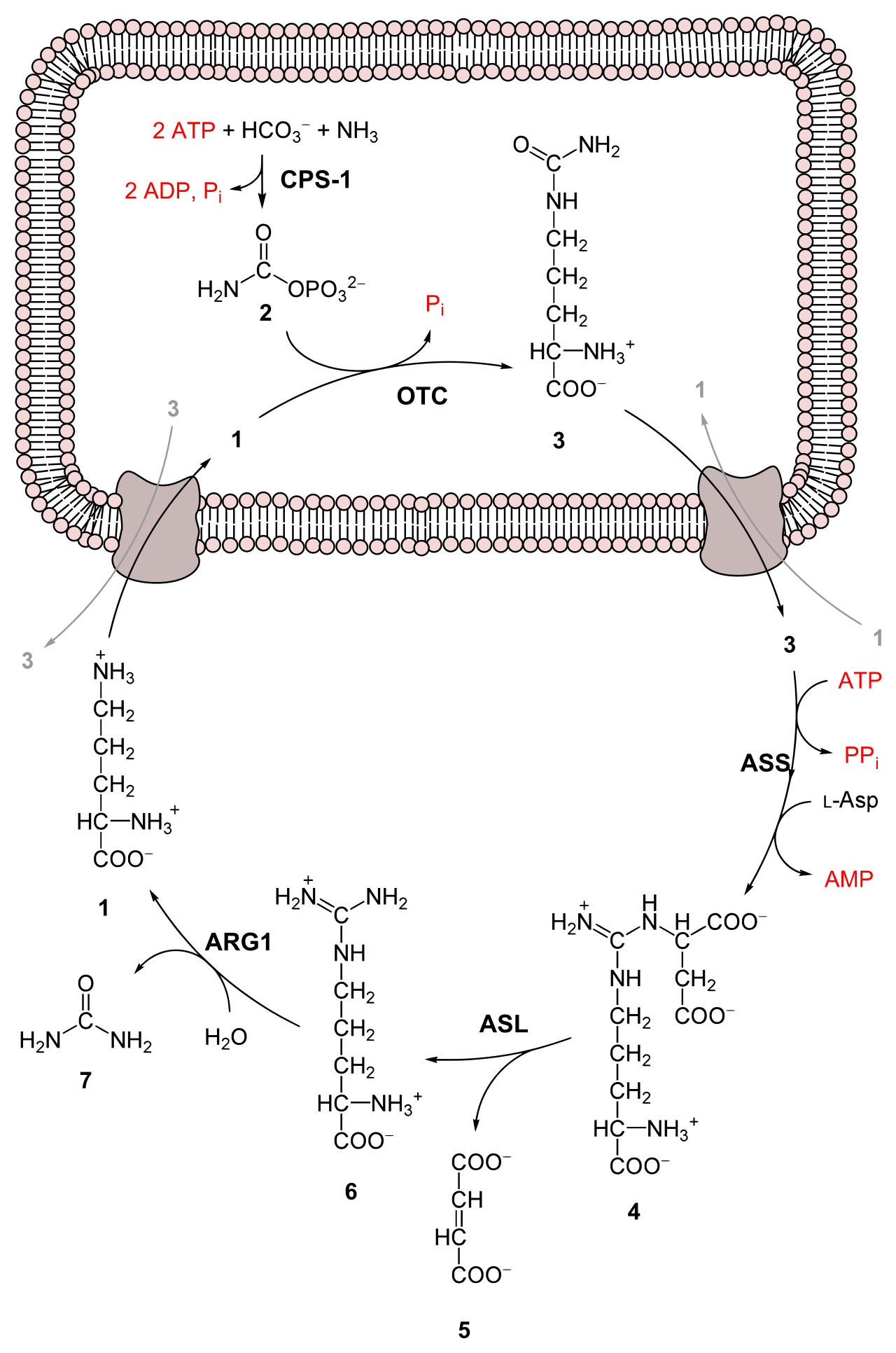
Avoid assuming that a urea-cycle role proves a calming effect. Ornithine is part of normal nitrogen handling, but a biochemical pathway is not a clinical outcome. The human trials, not the pathway diagram, are the relevant evidence.
People who are pregnant, breastfeeding, managing significant liver or kidney disease, or taking multiple medications should check with a clinician before adding a concentrated amino-acid supplement. Human safety data for long-term, high-dose use remain limited.
A practical way to decide
If you still want to try it, choose a clearly labeled single-ingredient product, keep the rest of your routine stable, and decide in advance what you will track. Sleep-onset time, nighttime awakenings, next-day fatigue and stress ratings are more useful than a vague sense that the bottle “might be helping.”
Give the experiment a defined end point and stop if adverse effects appear. The honest bottom line is modest: L-ornithine has two randomized human trials worth knowing, but their different cortisol findings and small samples leave plenty unresolved.