Rhodiola for stress-related fatigue: positive signals meet high risk of bias
How to read rhodiola fatigue studies, standardized-extract claims, cortisol findings and a systematic review’s bias concerns.
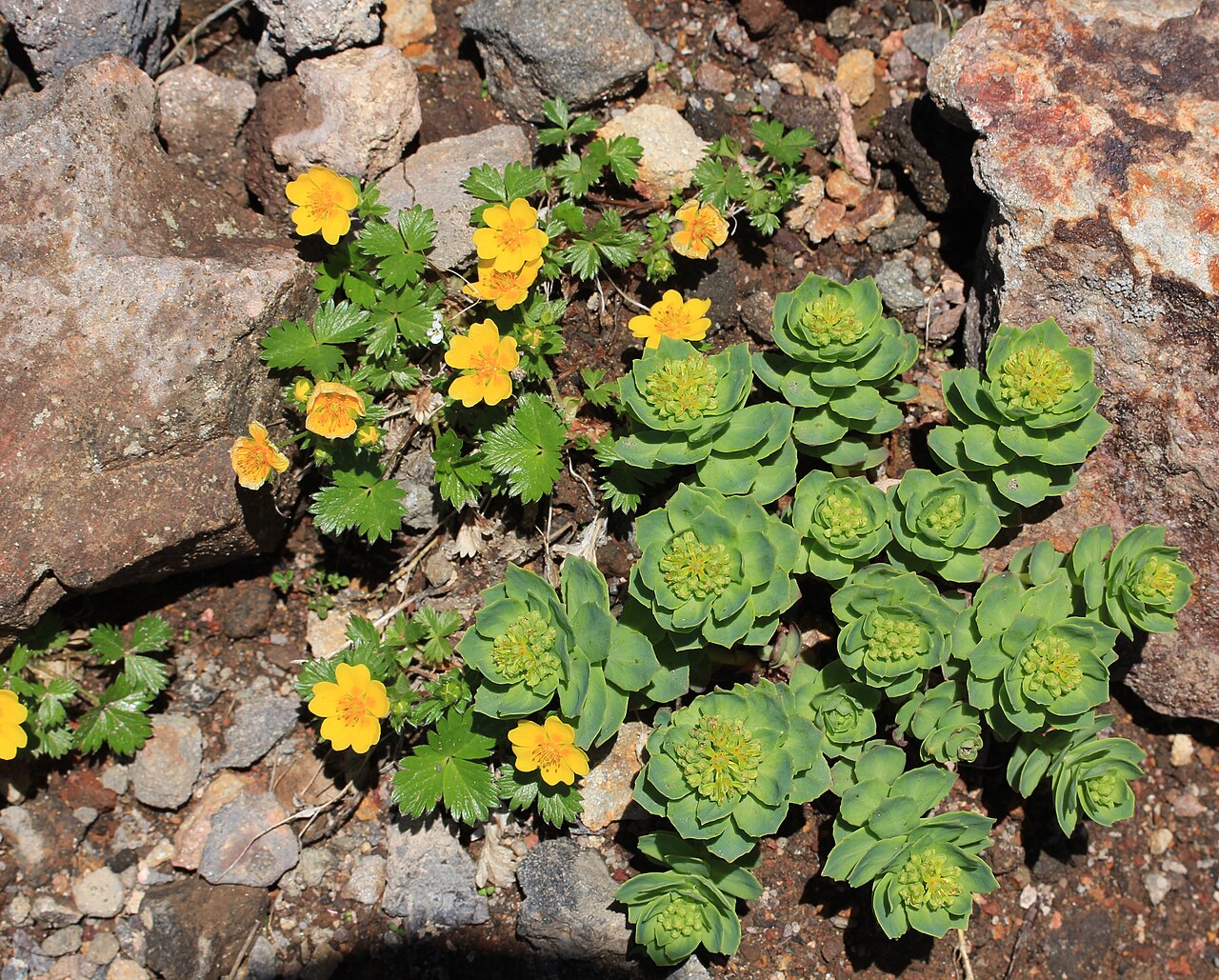
One standardized-extract trial reported selected benefits, but a systematic review found contradictory results and important methodological weaknesses.
Adaptogen is not an outcome
Rhodiola rosea is commonly marketed as an adaptogen for resilience, energy and stress. Adaptogen is not a clinical outcome. Trials may measure fatigue scales, attention tasks, depression scores or cortisol responses, and those endpoints should not be merged into a single claim that a product helps the body handle stress. This guide examines the human evidence without treating a marketing category as a diagnosis.
A randomized double-blind trial enrolled 60 adults with stress-related fatigue and assigned 576 milligrams per day of a standardized root extract or placebo for 28 days. Both groups improved on several measures. Compared with placebo, the extract group showed selected differences in burnout scores, attention indices and the cortisol awakening response. The small sample and multiple endpoints limit confidence in the exact size of benefit.

The standardized-extract trial
The trial studied a particular SHR-5 extract in people meeting Swedish criteria for fatigue syndrome. It did not test every rhodiola capsule, ordinary work stress, chronic insomnia or major depression. A change in cortisol response is a biomarker finding, not automatic proof that participants felt or functioned better in every important domain.
A systematic review found 11 controlled trials of rhodiola for physical or mental fatigue. Some reported favorable results, but the evidence was contradictory and every included study had high risk of bias or reporting problems that prevented confident validity assessment. That conclusion should remain prominent when a seller cites only the best-looking trial.
The wider evidence is contradictory
Different rhodiola products may vary by species identity, plant part, extraction process and labeled rosavins or salidroside. A shared plant name does not ensure equivalence to a standardized research extract. The number of milligrams also cannot be compared meaningfully without knowing extract strength and composition.
Fatigue has many possible causes, including insufficient sleep, anemia, thyroid disease, infection, mood disorders, medicines and overtraining. A supplement trial cannot diagnose the cause. New, severe or persistent fatigue deserves evaluation, especially when accompanied by weight change, shortness of breath, fever, weakness or impaired daily function.
The cortisol awakening response is influenced by timing and sampling, so a change should be interpreted with the study protocol in view. It does not prove that a participant’s adrenal system was broken before treatment or repaired afterward. Retail claims often use hormone language because it sounds objective, but objective measurement can still be narrow. The fatigue scale, attention test and daily function deserve at least as much attention as a laboratory marker.
Fatigue needs a cause, not a slogan
Rhodiola may affect alertness or interact with medicines, and concentrated extracts are not automatically suitable in pregnancy or complex psychiatric care. Bring the exact label to a pharmacist or clinician when antidepressants, stimulants or other mood-related products are involved. Avoid stacking several stimulating adaptogen blends while trying to interpret a change in sleep.
Risk-of-bias concerns include incomplete reporting, weak blinding, selective outcomes and small samples. They do not demonstrate that rhodiola has no effect; they lower confidence that the reported estimate is reliable. A strong future trial would preregister a primary outcome, verify the extract, use a credible placebo, report withdrawals and adverse events, and follow participants long enough to distinguish a short-lived stimulating sensation from durable improvement.
What can be said now
The most defensible summary is conditional: one small trial of a defined extract produced promising selected outcomes, while the broader review found methodological weaknesses and inconsistent results. That is enough to justify better independent research, not enough to claim that rhodiola reliably treats chronic stress or fatigue.
For verification, readers should open the linked research and confirm the publication type, participant group, comparator, intervention and reported conclusions. No medical reviewer, search volume, ranking or treatment result has been invented for this guide. The publication date labels the guide itself; it does not imply that every cited study was released today.
Sources & further reading
This article provides educational information. Ask a qualified clinician or pharmacist about your symptoms, medical conditions, medicines and supplement interactions.