Magnesium L-Threonate for Sleep: Two Trials, Different Stories
Two recent magnesium L-threonate trials reported different sleep patterns. This guide explains form, elemental dose, wearables and label checks.
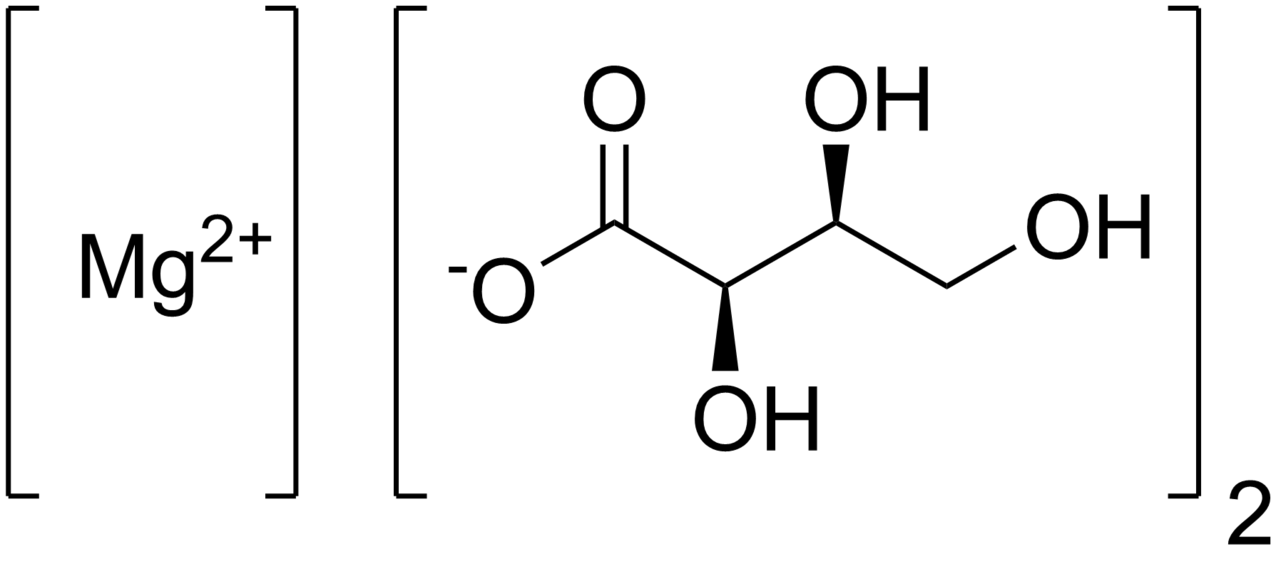
Recent trials justify interest in magnesium L-threonate, not a claim that it reliably treats insomnia or outperforms other magnesium forms.
A specific form finally has direct trials
Magnesium L-threonate is marketed as the brain-focused magnesium form. Two recent randomized trials now offer more than a theory, but they do not tell one tidy story. The benefit for shoppers is a clearer question: does the exact tested form change meaningful sleep outcomes?
The broader magnesium sleep evidence remains mixed, and a 2026 systematic review rated certainty low to very low. That context prevents one branded-ingredient trial from becoming a verdict on all magnesium.
Neither study establishes that people with normal magnesium status need supplementation. Sleep complaints can reflect apnea, restless legs, medication effects, anxiety or a schedule problem that magnesium will not correct.
The 21-day study used a wearable
A 2024 trial randomized 80 adults with self-reported sleep problems to one gram per day of magnesium L-threonate or placebo for 21 days. Questionnaires and an Oura ring supplied subjective and wearable-derived outcomes.
Several deep-sleep, REM, readiness and daytime-function measures favored the supplement. Consumer wearables estimate sleep stages rather than measuring them like polysomnography, a limitation also relevant when comparing melatonin with body-clock problems.
The short duration, many outcomes and industry connections deserve attention. A useful signal can still be real, but replication with preregistration and research-grade measures would make the size and reliability easier to judge. The L-ornithine stress-and-sleep trials offer a useful comparison with another supplement studied through short-term sleep and stress outcomes.
The six-week trial emphasized cognition
A second randomized trial published in 2026 studied magnesium L-threonate for six weeks in adults, with cognition and sleep among its outcomes. Its design, participant criteria and outcome set were not identical to the 21-day experiment.
Different instruments can move in different directions. A questionnaire, wearable score and laboratory sleep stage are not interchangeable, which is why our magnesium label guide separates elemental amount from the compound weight.
The 2026 systematic review pooled neither study into a simple treatment recommendation. Across oral magnesium trials, formulations, doses and populations were too varied, and results were inconsistent.
Read the Supplement Facts panel correctly
A front label may advertise grams of magnesium L-threonate while the Supplement Facts panel lists a much smaller amount of elemental magnesium. The elemental line is the amount used when adding magnesium across products.
Compare the exact daily serving, number of capsules, elemental magnesium and branded ingredient. Do not assume a larger compound weight equals a larger magnesium dose or a closer trial match.
Magnesium can cause diarrhea and can interfere with absorption of some medicines, including certain antibiotics and thyroid medication. Kidney disease raises the importance of clinician review because magnesium clearance can be impaired.
Use the trial as a decision, not a promise
Track sleep for a week before changing anything. A sleep diary, consistent wake time and stable caffeine use make a two- or three-week trial more interpretable than a wearable score alone.
Our guide to magnesium sleep claims explains why deficiency correction and treating chronic insomnia are different goals. If the product adds melatonin, theanine or herbs, it no longer tests magnesium L-threonate by itself. The hops combination guide also shows why a multi-ingredient bedtime product cannot establish what magnesium contributes.
The new trials move this form from speculation toward preliminary evidence. They do not show a universal benefit, and the most practical next step is careful label matching plus an honest stop rule.
Price is another practical variable because magnesium L-threonate products often require several capsules for the studied compound amount. Calculate the cost per full daily serving rather than per bottle, and compare that with the actual elemental magnesium line. A high price does not establish better absorption, brain exposure or sleep benefit in the product on the shelf.
Give the trial a stable background: keep exercise timing, alcohol, naps and evening light reasonably consistent. If diarrhea, weakness, confusion or unusual fatigue develops, stop and seek advice instead of treating the symptom as evidence that magnesium is working. People with kidney impairment should not run a casual high-dose magnesium experiment without clinical guidance.