Magnolia and Phellodendron for Stress: Small Trials, Formula-Specific Findings
What small randomized trials say about magnolia and phellodendron for stress, cortisol, anxiety and sleep—and why the exact formula matters.

A branded magnolia–phellodendron combination improved some stress and mood measures in small trials, but sleep results were not consistently positive.
The formula has signals, not a settled verdict
Magnolia bark and phellodendron appear together in stress supplements, often with language about cortisol, calm and sleep. Small randomized trials give that combination more than a purely traditional story. They do not make it a proven treatment.
One four-week study reported lower salivary cortisol exposure and improvements across several mood scores. Another six-week pilot found less short-term anxiety but no clear change in sleep quality, sleep latency or cortisol versus placebo.
That split is the useful result. The blend may influence some stress experiences, but a cortisol or sleep promise is too confident. The studies were small, product-specific and conducted in selected groups.
Cortisol changes across the day and responds to waking time, food, exercise and the sampling process itself. A full-day exposure measure is more informative than one random reading, but it still does not define whether a person feels or functions better.
What changed in the four-week study
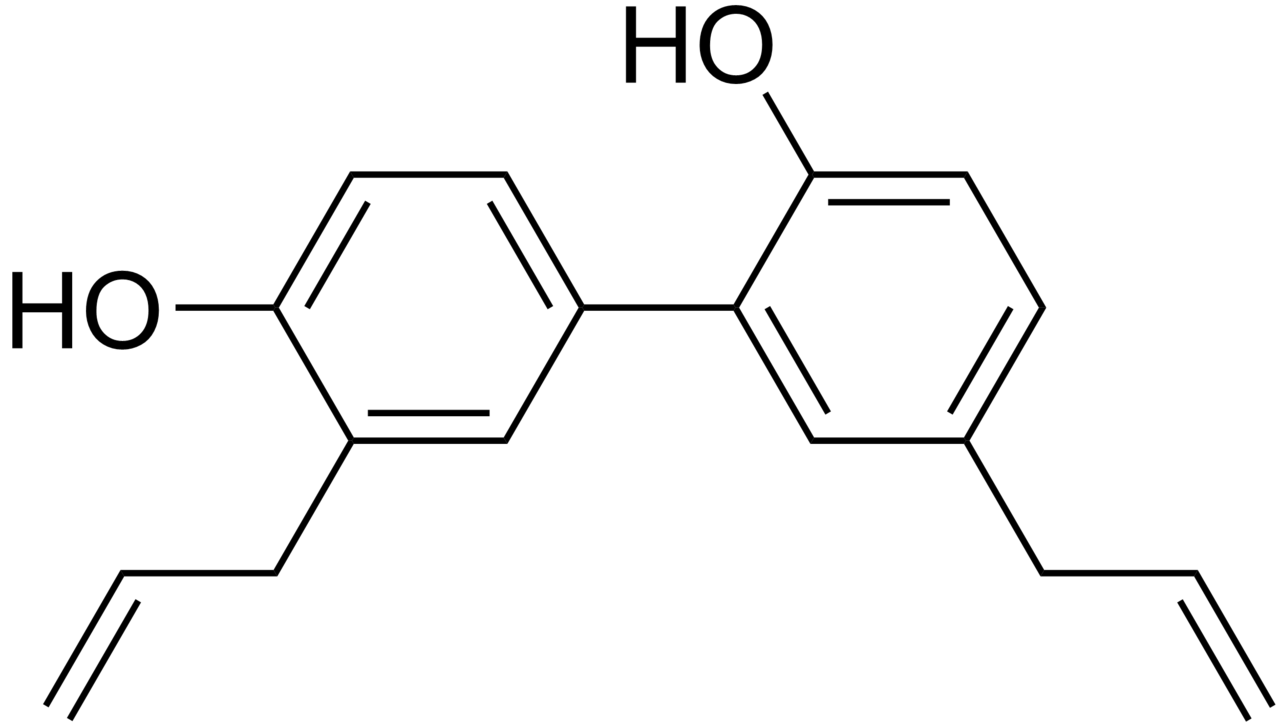
Fifty-six adults screened for moderate psychological stress received a standardized magnolia–phellodendron combination or placebo for four weeks. Researchers collected salivary cortisol across the day and used a profile-of-mood-states questionnaire.
The supplement group had lower total cortisol exposure and better scores for overall stress, tension, anger, fatigue and several other mood domains. The pattern is encouraging, but many outcomes were tested, increasing the importance of replication.
The study involved a patented formula and authors with commercial connections. Ingredient amounts, extraction and standardization therefore matter. A generic magnolia capsule cannot inherit the result automatically.
The mood questionnaire included several subscales. When many comparisons are made in a small sample, some can appear significant by chance. A preregistered, larger replication would help show which domains are dependable.
The earlier pilot puts sleep in perspective
A separate randomized pilot enrolled 40 premenopausal women with overweight who tended to eat more under stress. Twenty-six completed the study. Participants took the proprietary blend or placebo for six weeks.
State anxiety improved with the blend, while longer-standing trait anxiety did not. Sleep quality, sleep latency, salivary cortisol and several other measures were not significantly different from placebo.
That is why the product should not be framed as a sleep aid on the strength of stress research. The trial population was narrow, and the findings separate temporary anxiety from persistent symptoms rather than collapsing them into one “calm” claim.
The small number of completers also makes estimates unstable. A few unusually strong responders or nonresponders can move the average. Pilot trials are designed to guide better research, not to supply final effect sizes for advertising.
Honokiol biology is not a human outcome
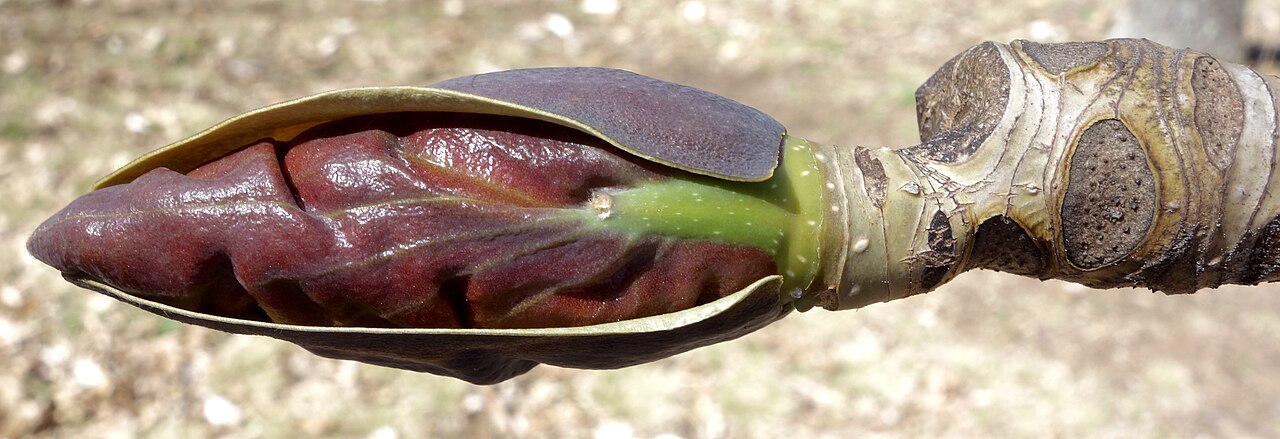
Magnolia contains compounds such as honokiol and magnolol that have laboratory effects on signaling systems related to relaxation. Those experiments help explain why researchers are interested. They do not establish an effective human dose or a clinical benefit.
For a label comparison, look for both botanical species, plant part, extract amounts and standardization. If phellodendron is absent, the combination trials are no longer a direct match. If several herbs are hidden in a blend, attribution becomes impossible.
Pregnancy, breastfeeding, liver disease, sedating medicines and other central-nervous-system depressants warrant clinician or pharmacist review. Stop if unusual drowsiness, dizziness, rash or other concerning symptoms appear.
Phellodendron is not the same plant as philodendron, and magnolia species are not interchangeable. Botanical Latin names on the label reduce confusion and make adverse-event reporting more useful. Keep the bottle or a label photo if a reaction occurs.
Use the evidence to set a modest goal
A reasonable trial would target a specific daytime stress symptom, keep sleep and caffeine routines steady, and use the same simple rating each day. Avoid starting it alongside multiple calming products.
Magnolia–phellodendron research is best described as early and formula-specific. Mood findings justify more study; inconsistent sleep and cortisol results argue against big promises.