Panax ginseng for stress: new trials do not make every ginseng equivalent
A guide to recent ginseng stress trials, extract differences, mixed fatigue findings and the limits of biomarker-based claims.
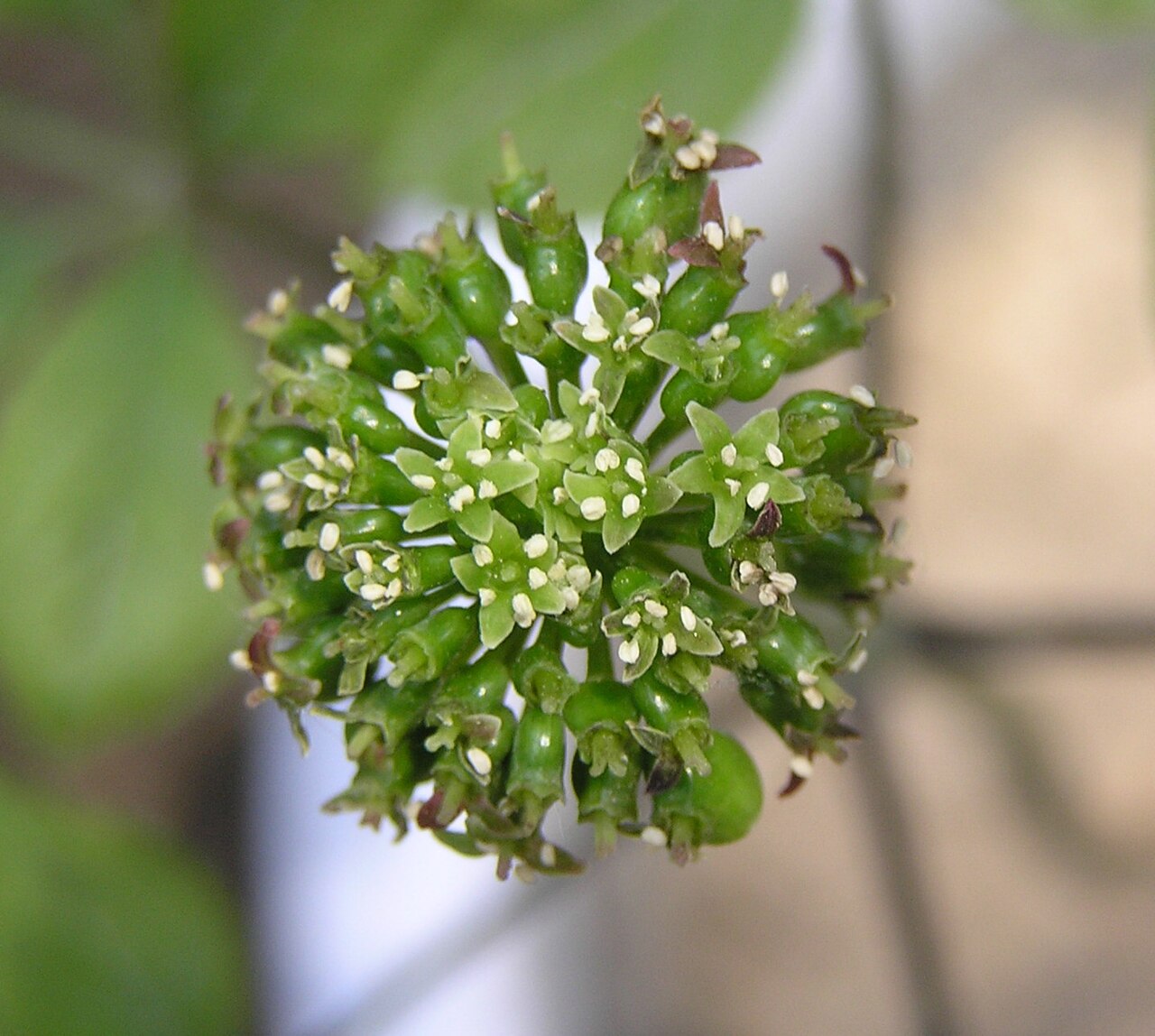
Recent defined-product trials report stress signals, but different ginseng preparations and mixed fatigue results prevent a class-wide claim.
Ginseng is not one standardized product
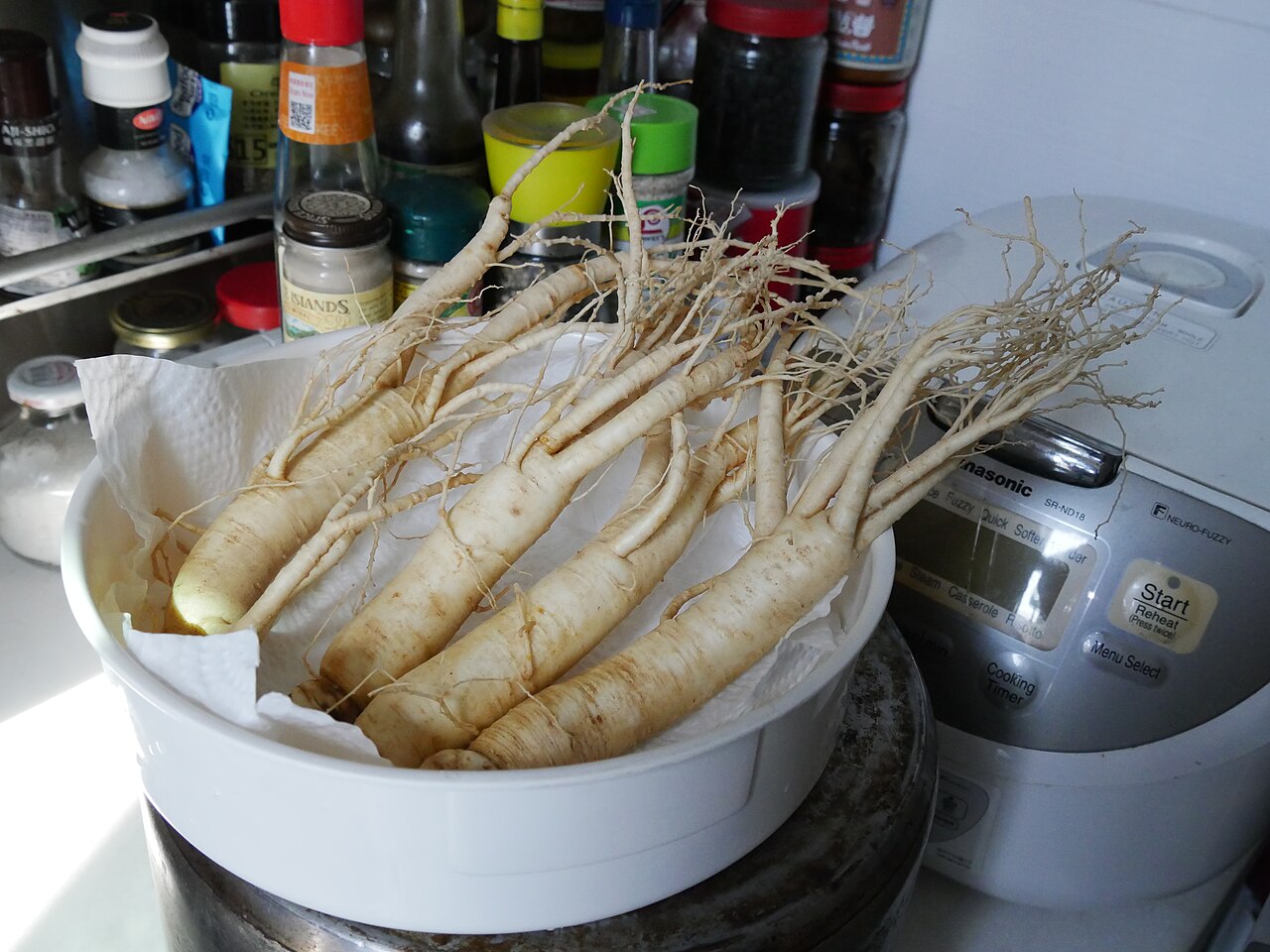
Panax ginseng products differ by species verification, root processing, growing method and ginsenoside profile. White ginseng, Korean red ginseng and hydroponically grown red root powder are not interchangeable simply because each front label says ginseng. This evergreen guide treats the keyword as a candidate and asks whether the shelf product matches the tested intervention.
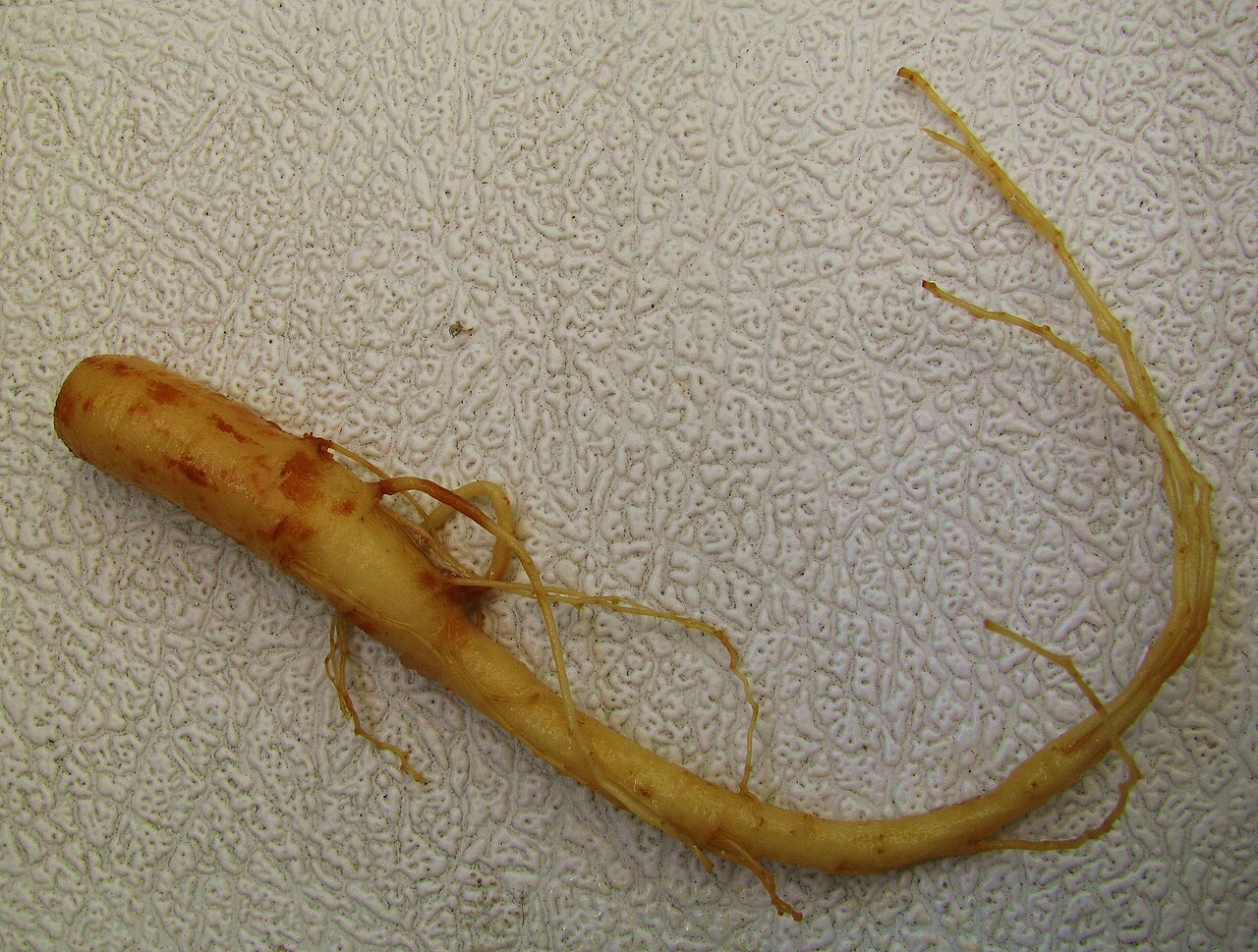
A 12-week randomized double-blind trial enrolled 86 adults reporting stress-related symptoms and tested a specific white ginseng preparation. The active group showed a larger reduction in a composite stress index and changes in default-mode-network connectivity compared with placebo. The composite included self-report and physiological measures, so the result should not be reduced to a single promise about anxiety.
What the new stress trials found
Another randomized study assigned 149 moderately stressed adults to a hydroponically grown red ginseng powder or placebo for three weeks. Perceived stress and negative affect declined more with ginseng, and one planning task improved. The short duration and specialized high-ginsenoside product limit how confidently the result applies to another capsule.
Fatigue research is less consistent. In a 50-person chronic-fatigue trial, both Korean red ginseng and placebo groups improved, with no significant primary between-group difference. A 2023 meta-analysis of 19 trials also found no significant overall fatigue reduction, although some subgroups favored ginseng and effect sizes were small.
One more distinction is baseline status. A participant who begins with moderate stress and a defined ginseng exposure may have more room to change than a healthy person buying an energy blend. Regression toward the mean can also make extreme baseline scores improve. Good trials use placebo and baseline-adjusted analysis, while good reporting shows absolute scores as well as percentage changes. Consumers should not assume that a relative improvement guarantees a noticeable benefit in their own daily routine.
Fatigue findings were less consistent
Functional brain connectivity, cortisol, perceived stress and daily functioning are different outcomes. A biological change can support a hypothesis without proving that a person sleeps better or has a treated anxiety disorder. Product pages should identify the exact endpoint instead of using neuroscience language to broaden the result.
Compare species, root form, extraction method, total ginsenosides, amount per serving and companion ingredients. A larger ginsenoside number is not automatically superior. Multi-herb adaptogen formulas create a separate evidence question because benefits or adverse effects cannot be assigned to one component.
The two recent stress studies also used different ginseng materials and outcome frameworks. One combined subjective ratings with autonomic measures and brain imaging; the other emphasized perceived stress, affect and cognitive tasks. Agreement in direction is interesting, but it is not a direct replication. A replication would test the same characterized preparation, dose, population and primary endpoint. Without that match, a seller should describe separate signals rather than claiming that the ingredient has been conclusively confirmed across trials.
How to match a label to research
Ginseng may affect blood glucose, blood pressure, sleep or medicine response. People using anticoagulants, diabetes medicines, stimulants or psychiatric medicines should review the exact product with a clinician or pharmacist. A stimulating effect late in the day could be counterproductive for someone already struggling with sleep.
Readers can audit a ginseng claim by looking for botanical identity, processing method, quantified ginsenosides, duration and the exact comparator. They should also check whether the paper’s main outcome was positive or whether the headline relies on a subgroup. Fatigue in a cancer population, unexplained chronic fatigue and stress in otherwise healthy adults are not interchangeable. Keeping those distinctions visible protects against using a broad adaptogen label to erase clinically important differences.
A product-specific conclusion
The current evidence is promising for selected preparations and stress outcomes, not proof for every ginseng. Stronger research should replicate defined products, preregister primary outcomes and measure meaningful function alongside biomarkers. Persistent distress or fatigue still requires assessment of its cause.
Readers can verify this guide by opening the linked sources and checking the participant group, intervention, comparator, duration, prespecified outcomes and adverse-event reporting. No medical reviewer, keyword volume, ranking or treatment result has been invented. The article date identifies an evergreen guide, not a claim that every cited paper was published today.
Sources & further reading
This article provides educational information. Ask a qualified clinician or pharmacist about your symptoms, medical conditions, medicines and supplement interactions.