Saffron extracts for sleep and stress: promising short trials, unresolved long-term use
A guide to saffron sleep trials, standardized extracts, modest effects, short duration, and formulation-specific evidence.
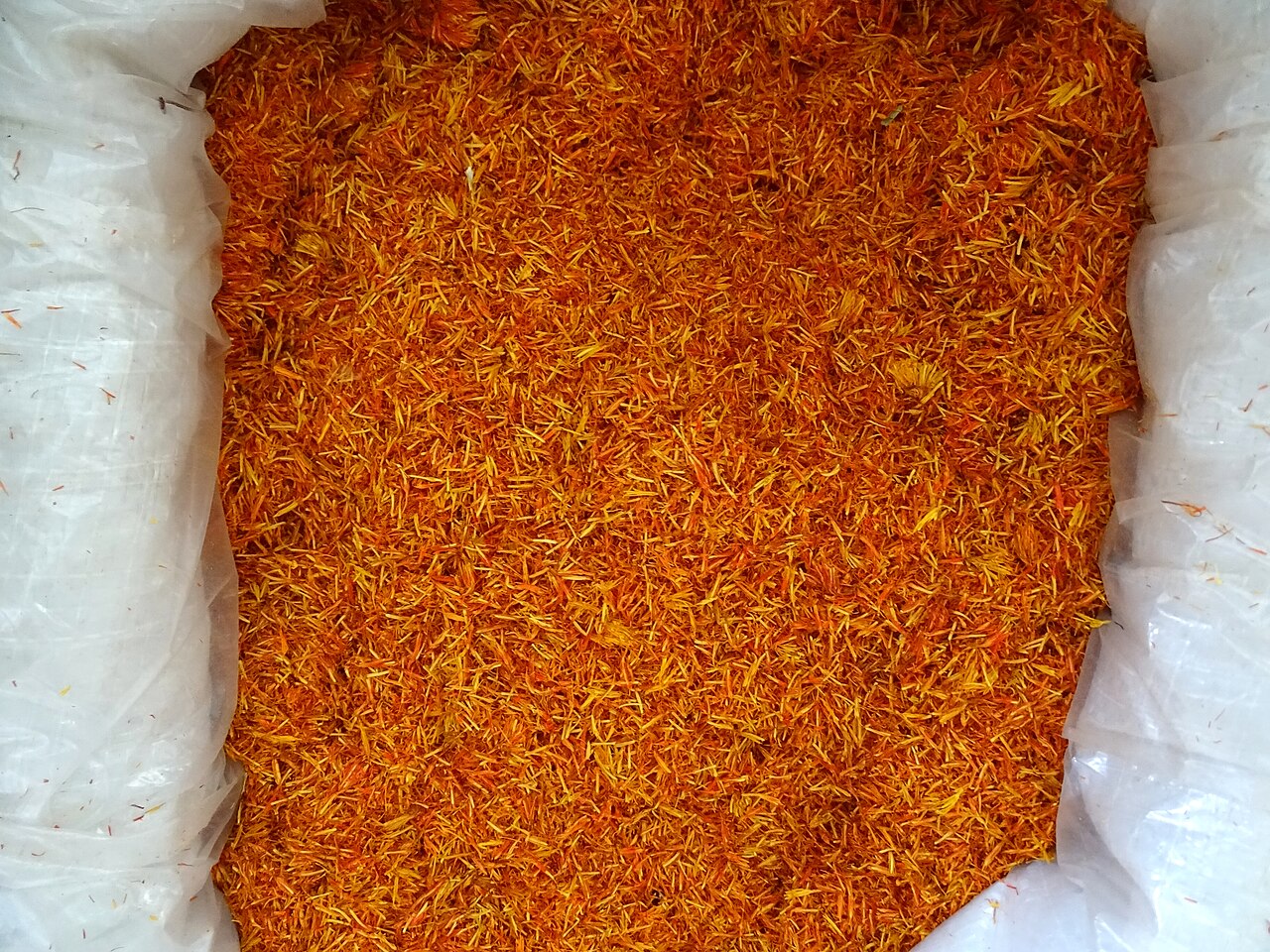
A specific saffron extract produced modest questionnaire improvements over four weeks; objective sleep effects, durable benefit, and equivalence of other formulations remain unestablished.
A decentralized trial tested a particular saffron extract
A 2025 saffron trial recruited 165 adults reporting moderate insomnia and assigned them to a standardized extract or placebo for four weeks. Two active groups received 20 or 30 milligrams daily of the specific Safr'Inside preparation. The study was decentralized, allowing participants across Germany to complete assessments remotely. This was a trial of characterized capsules, rather than ordinary culinary saffron added to food.
The approach broadened recruitment and made participation convenient, but it also shaped what was measured. Sleep outcomes relied on reported symptoms and questionnaires, not overnight polysomnography. The result can therefore inform how participants rated their insomnia and sleep experience. It does not establish a corresponding change in sleep stages, objectively measured awakenings, or another physiological sleep measure that was not collected.
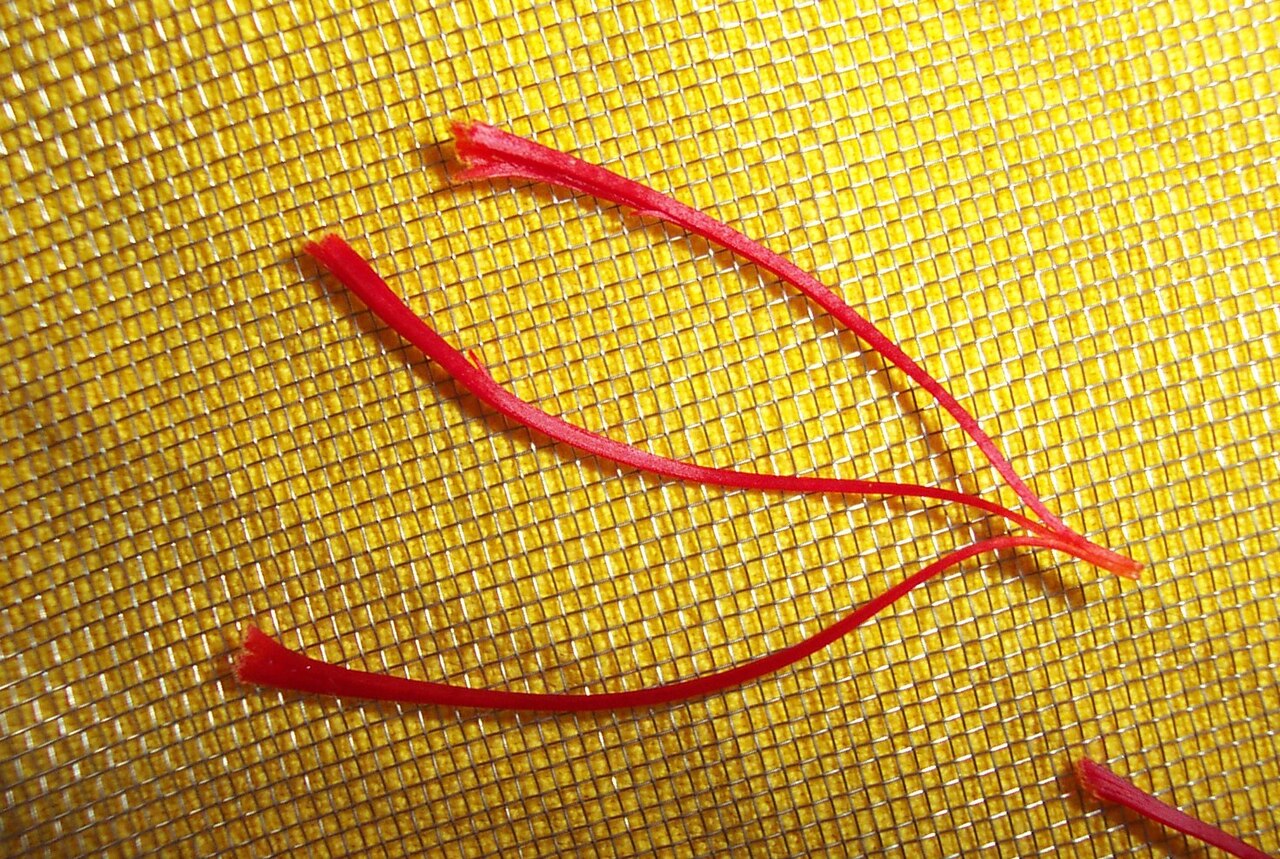
The main difference was less than one scale point
The primary outcome was change on the Athens Insomnia Scale. Combining the two saffron groups, the adjusted difference from placebo was about 0.95 points in the favorable direction. The reported confidence interval was broad enough to include a very small advantage. Describing the numerical difference helps readers understand the result more accurately than a general statement that the extract significantly improved sleep.
Statistical significance and practical importance are separate questions here. A group-average difference of less than one point does not tell a person how likely they are to notice a meaningful change. The paper discussed uncertainty about established thresholds for clinically important differences on the measures used. The trial is a positive signal, while the size of a worthwhile real-life benefit remains a reasonable question.
Sleep quality and stress were additional outcomes
Secondary analyses found improvements in a single-item sleep-quality measure and perceived-stress scores with both doses. Not every psychological, daytime, or quality-of-life measure differed from placebo. This uneven pattern should remain part of the account. A few favorable scales cannot be converted into a claim that the product improved all dimensions of sleep, mood, and daily functioning.
The two dose groups also did not establish a simple rule that more saffron is always better. Their stress-score differences from placebo were similar, while other outcomes had different patterns. Choosing an individual amount from these group results would require additional assumptions. The trial doses describe what was tested; they are not a universal protocol for someone shopping for a bedtime supplement.
Four weeks leaves long-term questions unanswered
Of the 165 randomized participants,150 completed the study. The investigators reported no serious adverse events, while gastrointestinal complaints occurred in active and placebo groups. A short trial with this sample can give useful information about common tolerability issues. It cannot rule out uncommon events or establish that taking the extract every night for many months has the same profile.
The predominantly female, middle-aged sample is another qualification. Results may be relevant to similar adults, but they do not resolve use in children, pregnancy, medically complex older people, or every person with severe insomnia. Product advertising should retain the participant context instead of presenting an average from one recruited group as a finding about all potential users.
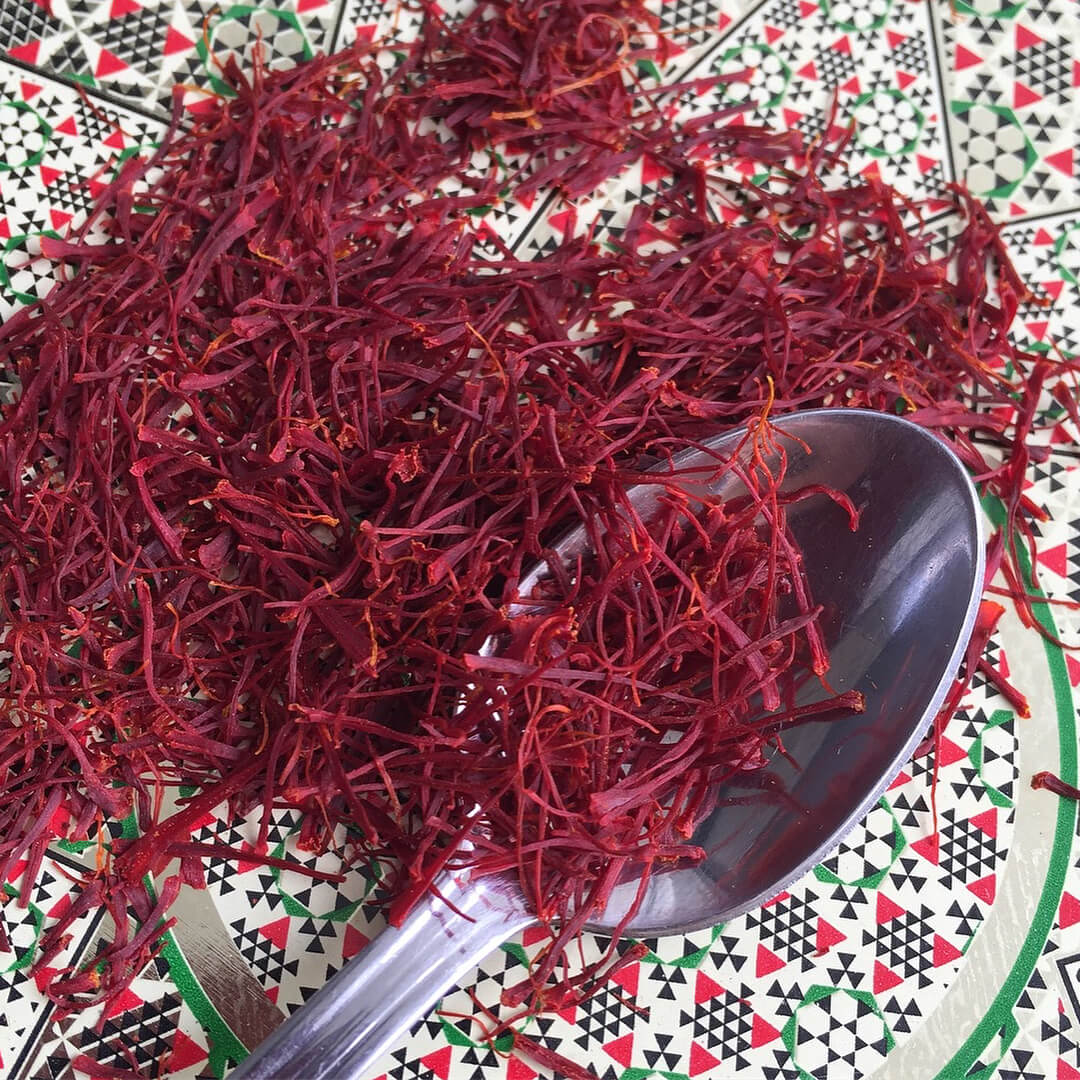
The wider review is still a small literature
An earlier systematic review identified five randomized trials involving 379 participants across three countries. That is a comparatively small research base for sweeping claims about an entire supplement category. The review was also published before the newer 165-person study, so the two sources should not be described as though the later experiment had already been included in that pooled body of evidence.
Small trials can differ in preparation, recruitment, duration, and outcome definitions. The useful next step is independent replication with longer follow-up and clearer measures of meaningful benefit. A growing number of papers would be more persuasive if they reproduce comparable results, rather than repeatedly testing different formulas and relying on whichever questionnaire happens to show the most favorable change.
A spice name does not make preparations equivalent
Culinary saffron, an unspecified powder, and a standardized extract are not interchangeable quantities. The weight of a capsule does not fully describe the preparation or its constituent profile. A manufacturer citing the 2025 study should identify whether its product uses the tested extract or explain the evidence connecting another formulation with that intervention.
For consumers, the research supports a careful possibility rather than a settled nightly solution. A particular extract produced modest reported improvements over four weeks, with several outcomes unchanged. Longer-term effectiveness, the likelihood of a noticeable individual benefit, and the applicability to other saffron products remain unresolved. Those are concrete limitations of the current evidence, not reasons to replace them with a broad promise of better sleep.
Sources & further reading
This article provides educational information. Ask a qualified clinician or pharmacist about your symptoms, medical conditions, medicines and supplement interactions.