Tart cherry for sleep: juice and capsules produced different results
A guide to tiny tart cherry juice studies, a negative capsule trial, product differences, and realistic sleep conclusions.

Tiny juice pilots reported selected benefits, but a 34-person capsule trial was negative; differences in both formulations and populations prevent a simple juice-versus-capsule verdict.
The fifteen-person pilot found a selective placebo advantage
The earliest widely cited tart-cherry sleep pilot involved 15 older adults with chronic insomnia. In a blinded crossover design, each person received a proprietary juice blend and a placebo beverage for two weeks apiece, separated by a washout. Participants recorded their sleep in diaries, allowing researchers to compare sleep continuity and insomnia-related complaints between the two conditions.
Several measures improved from baseline during the juice period, but the placebo comparison was narrower. The beverage was associated with less wakefulness after falling asleep and a modest insomnia-related benefit, while sleep-onset time, total sleep time, and sleep efficiency did not significantly improve relative to placebo. Reporting every before-and-after improvement as a demonstrated juice effect would therefore overstate the trial.
The 84-minute headline came from eight completers
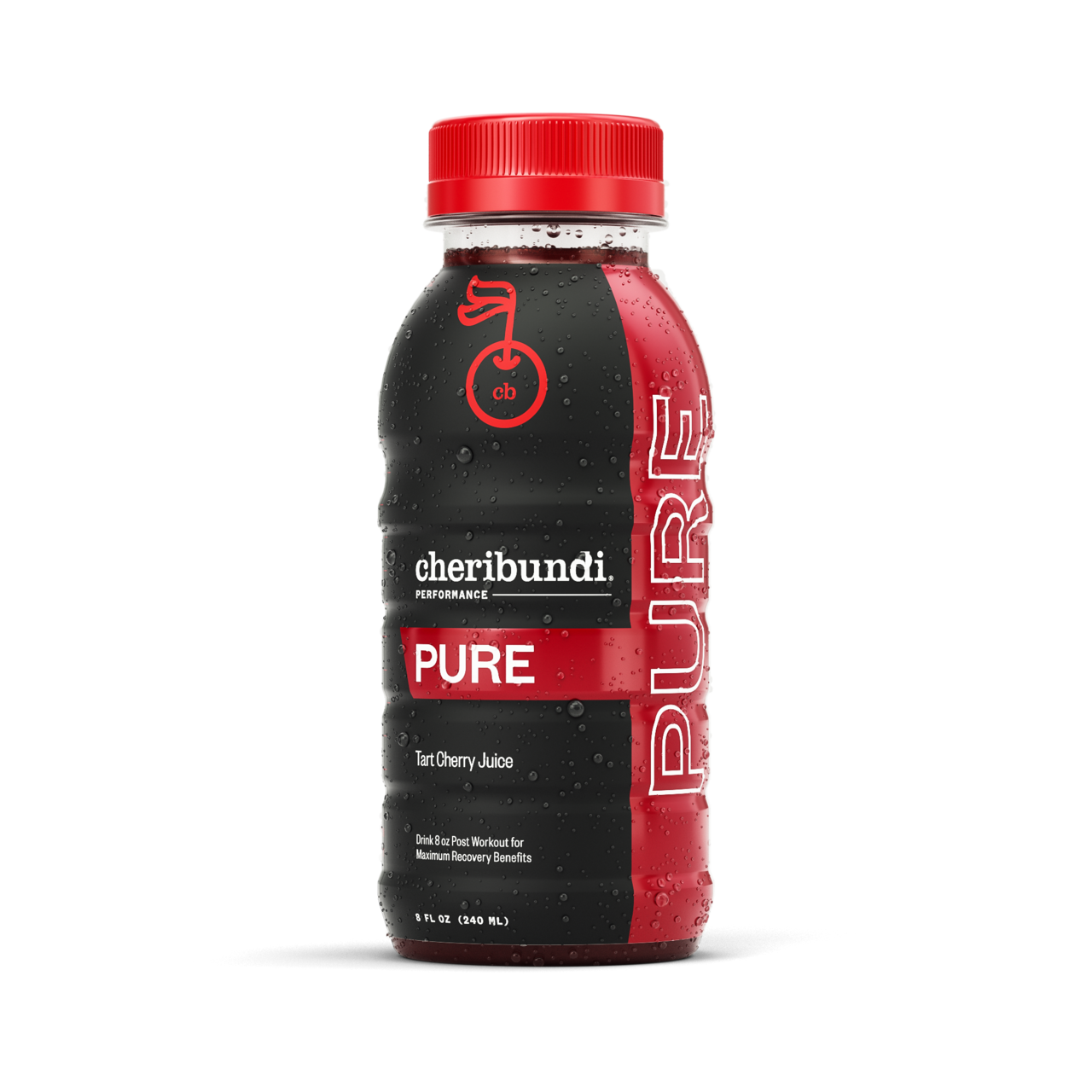
Another pilot recruited 11 people older than 50 with insomnia. Three were found to have sleep apnea and were excluded and referred, leaving only eight completers. The crossover experiment used 240 milliliters of cherry juice twice daily for two weeks and included overnight polysomnography. Researchers reported approximately 84 additional minutes of sleep and a selected questionnaire improvement, while other questionnaires did not significantly differ.
That 84-minute result can make a striking advertisement, but it came from a very small analyzed group. Each participant carries considerable influence in an eight-person study, and the estimate needs confirmation in a larger sample. It should not be presented as a dependable amount of extra sleep that every buyer can expect from a bottle of cherry concentrate.
A capsule trial tested a different question and was negative
A later randomized crossover trial tested 500 milligrams of Montmorency tart-cherry powder in capsules for 14 days. It enrolled 34 people with sleep problems and overweight or obesity and assessed a range of recorded and self-reported sleep outcomes. The investigators reported no significant effects on the measures of interest, including sleep measures and inflammatory markers. This neutral finding belongs alongside the positive juice pilots.
The capsule study does not prove all tart-cherry products are ineffective. It does show that a commonly used capsule exposure failed to demonstrate benefit in that particular experiment. Its authors suggested further investigation, but a negative result at one amount is not evidence that increasing the amount will work or be the right choice for an individual reader.
Form and participant differences cannot be disentangled here
It is tempting to explain the conflicting results by saying juice works and capsules do not. These studies cannot isolate that explanation because they also differed in participants, sample size, sleep assessment, and the preparation itself. A direct comparison using appropriately matched exposures would be needed to determine whether formulation accounts for a difference rather than another feature of the experiments.
Population differences are especially important. Older adults selected for insomnia and adults with overweight or obesity who report sleep problems are overlapping but different groups. Their symptom patterns and underlying conditions may vary. A product claim should not erase those distinctions simply because all the papers contain the words tart cherry and sleep.
Juice volume and capsule weight are not equivalent exposures
The beverage protocol also has practical features that a capsule does not share. Two 240-milliliter servings add 480 milliliters of a specific drink to the day. A capsule's 500-milligram powder weight describes something else. Neither number alone establishes comparable amounts of the constituents proposed to influence sleep, and concentrate, diluted juice, and a blended beverage create further differences.
Check the exact product form and declared serving, including carbohydrate in a juice or gummy and other ingredients in a sleep blend. This is relevant to understanding what a purchase adds to an existing routine. It does not mean that matching the visible serving automatically reproduces a study's effect or that a larger cherry-equivalent marketing number supplies stronger evidence.
The apnea exclusions show why the sleep diagnosis matters
The three sleep-apnea exclusions in the eight-completer pilot are a particularly useful clinical detail. They show that a complaint labeled insomnia can coexist with a sleep problem requiring a different assessment. A supplement purchase cannot establish why someone sleeps poorly. Recurrent breathing concerns, persistent daytime sleepiness, or ongoing nighttime symptoms deserve discussion with a qualified clinician.
Tart-cherry research is consequently more mixed than a single favorable headline suggests. Small juice pilots produced selected findings; a capsule trial found no sleep benefit. The appropriate conclusion preserves both, recognizes that the interventions were not directly equivalent, and avoids turning a small study's average into a promise about another product or another person's nights.
Sources & further reading
This article provides educational information. Ask a qualified clinician or pharmacist about your symptoms, medical conditions, medicines and supplement interactions.