Alpha-s1 Casein Hydrolysate for Sleep: New Trial, Small Sample
A guide to alpha-s1 casein hydrolysate for insomnia and stress, including new sleep-lab findings, earlier mixed results and milk-allergy cautions.
A 2024 trial found a shorter sleep-onset time with alpha-s1 casein hydrolysate, but only 36 people were enrolled and earlier results were mixed.
A newer sleep-lab result moves the story forward
Alpha-s1 casein hydrolysate has long been sold as a calming milk-protein peptide. A 2024 randomized trial added an objective finding: people with chronic insomnia fell asleep faster on polysomnography after four weeks than those taking placebo.
That is more useful than a vague relaxation score. It is still preliminary. The study enrolled 36 participants, used a changing dose across the month and found clearer effects on some measures than others.
The practical reading is “promising enough to watch,” not “proven insomnia treatment.” Chronic insomnia still deserves cognitive behavioral therapy for insomnia and evaluation for breathing, movement, mood and medication contributors.
A seven- or eight-minute shift can matter to someone who lies awake for a long time, but statistical significance and personal importance are not identical. The study did not establish that every participant noticed a meaningful change.
What the 2024 trial actually did
Adults with chronic insomnia were randomized to the hydrolysate or placebo. The active group took 600 milligrams daily for two weeks, then 300 milligrams daily for the next two. Researchers used questionnaires and overnight polysomnography.
The active group improved on several questionnaires from baseline, but the most useful between-group objective result was sleep-onset latency. It fell by about eight minutes in the active group while rising in the placebo group, producing a statistically significant difference.
The trial was hospital-based in Taiwan and short. It cannot tell us whether benefits last, whether tolerance develops, or which dose should be preferred after the first month.
Changing from 600 to 300 milligrams mid-study also leaves a dosing question. The design cannot cleanly show whether the initial higher dose, the later lower dose or accumulated exposure produced the sleep-onset difference.
Earlier crossover research was less tidy
A 2019 double-blind crossover study also tested alpha-s1 casein hydrolysate for sleep disturbance. Diaries showed improvements in total sleep time and sleep efficiency, and actigraphy suggested a cumulative sleep-efficiency effect after four weeks.
Yet several symptom scales improved similarly during active and placebo phases, and polysomnography did not show clear between-group differences. That mixed pattern is common in small sleep studies, where expectation, night-to-night variation and measurement choice can shift the story.
An older crossover trial in women with stress-related symptoms reported improvements in several symptom domains. It broadens the stress hypothesis but does not prove a specific insomnia effect.
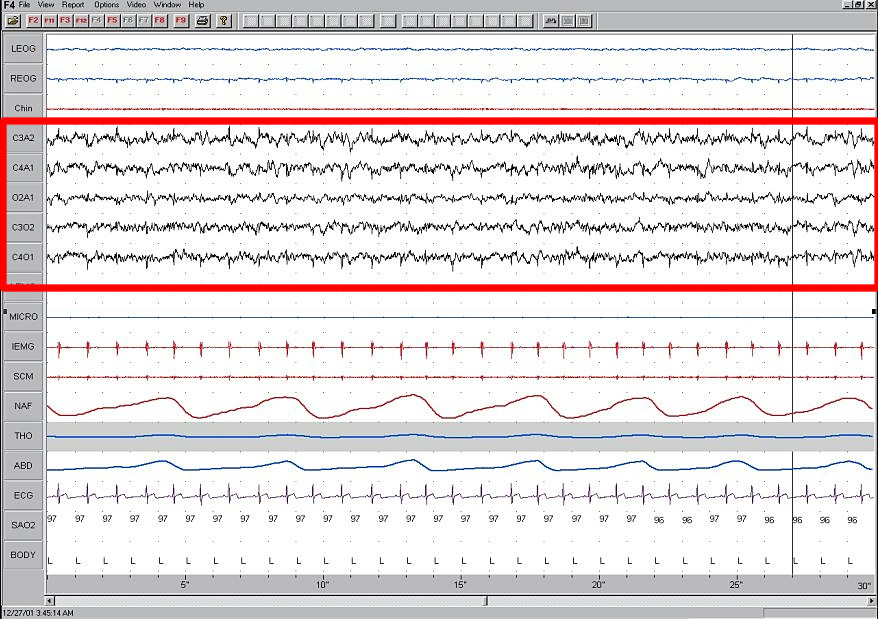
Actigraphy estimates sleep from movement, while polysomnography records brain, eye, muscle and other signals. Agreement across methods is reassuring; disagreement is not unusual and should be reported rather than averaged into one broad claim.
Hydrolyzed casein still comes from milk
Hydrolysis breaks a protein into smaller peptides. It does not automatically remove every allergy concern or make the ingredient dairy-free. People with a cow’s-milk protein allergy should not assume this supplement is safe without specialist advice.
Lactose intolerance is different from milk-protein allergy, but labels can be confusing. Check the allergen statement, inactive ingredients and manufacturing information. A casein-derived ingredient may contain little lactose while still being a milk protein.
Pregnancy, breastfeeding, sedating medicines and major medical conditions deserve clinician review. Supplements marketed for sleep can also add melatonin or herbs, making it impossible to attribute an effect to casein peptides alone.
Casein peptides are also distinct from ordinary milk or a glass of warm milk. The trials used manufactured hydrolysates with defined doses, so food traditions cannot serve as equivalent evidence.
Make any trial measurable
Track estimated sleep-onset time, awakenings and next-day function for a week before starting. Keep bedtime, caffeine and alcohol steady, and do not add another sleep product at the same time.
The newest trial supplies a real objective signal, but the small sample and older mixed findings keep certainty low. If insomnia is persistent or impairing, the supplement should stay secondary to proven care.