Lactobacillus gasseri CP2305 for Stress and Sleep: Strain Matters
CP2305 trials in stressed students reported sleep and stress signals. Learn why strain, preparation, population and replication matter.
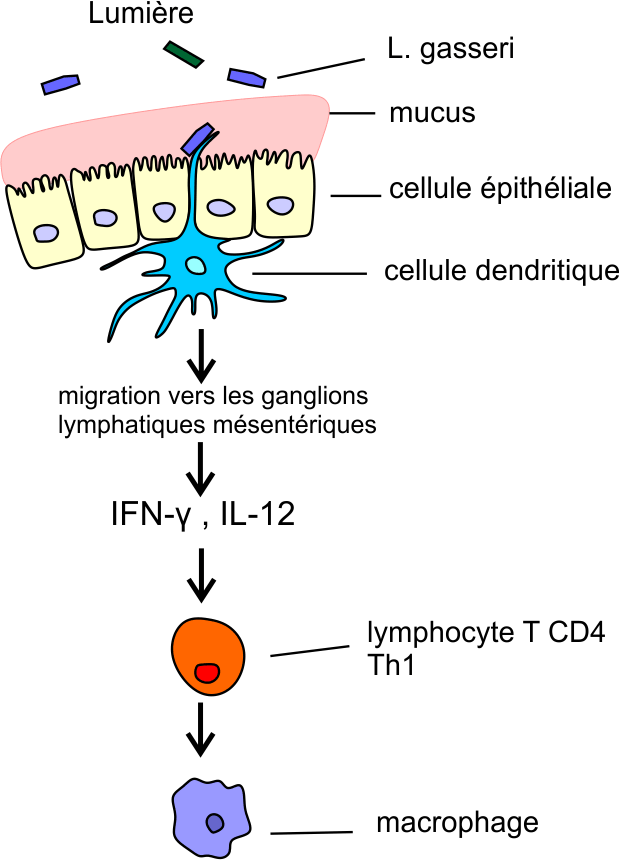
CP2305 has repeated signals in stressed students, but it was a heat-inactivated strain preparation tested in narrow populations.
The strain code is the most important word
A probiotic aisle can make every Lactobacillus look interchangeable. The CP2305 research shows why that is a mistake. Trials reported better stress and sleep measures with one identified L. gasseri strain in students facing sustained academic stress.
Those findings are more specific than broad claims that probiotics reduce stress. Our guide to probiotic cortisol markers explains why a biomarker change alone cannot establish that someone sleeps or functions better.
CP2305 was also heat-inactivated in the main studies. A product promising live colony-forming units is not automatically a match, even if the species name looks familiar.
The longer student trial measured several layers
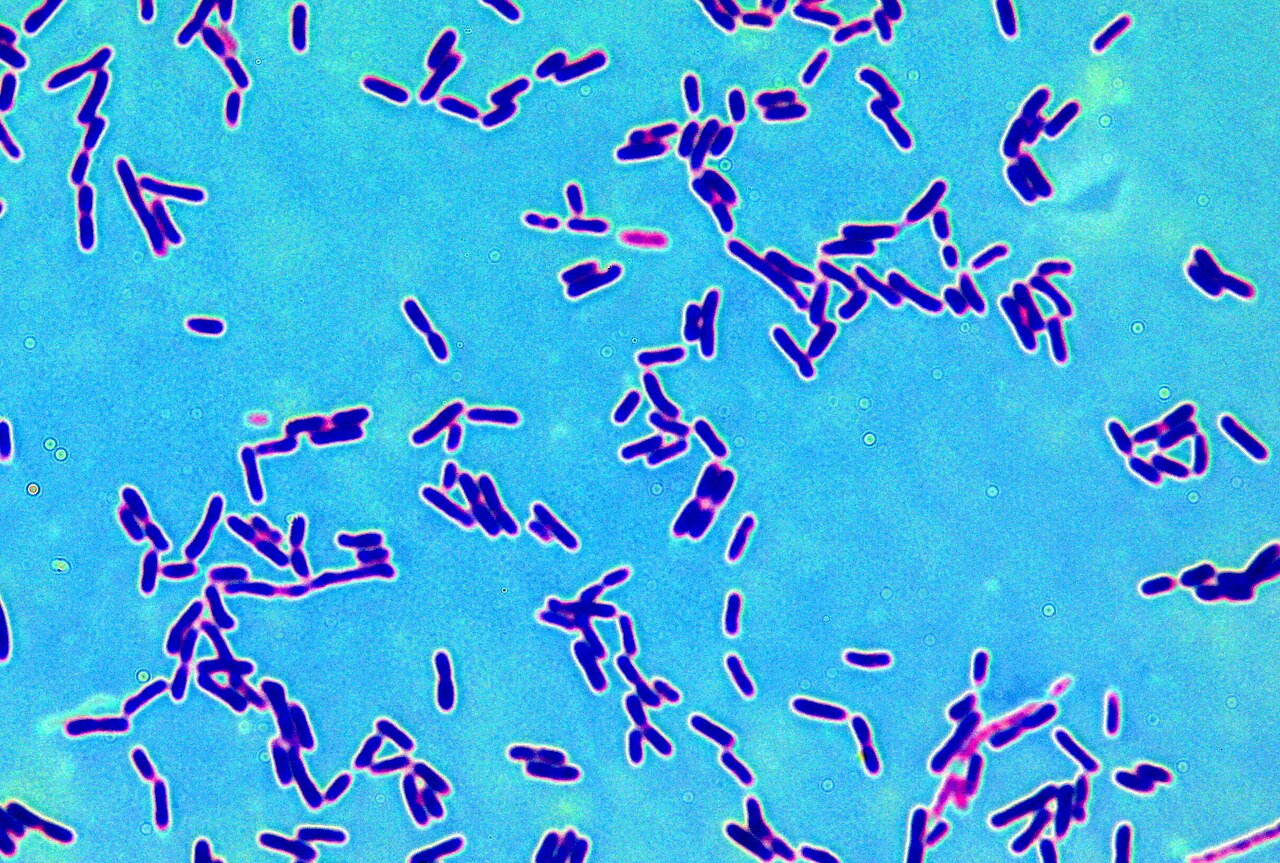
Sixty Japanese medical students took CP2305 tablets or placebo for 24 weeks while preparing for a national examination. Researchers used anxiety and sleep questionnaires, single-channel sleep EEG, salivary chromogranin A and stool sequencing.
The CP2305 group showed favorable changes in anxiety, sleep disturbance, sleep latency and wake time after sleep onset. That combination is more informative than one survey, much as our prebiotic fiber guide warns against treating different products as one intervention.
The same narrow setting is also a limitation. Young medical students under exam stress do not represent older adults with chronic insomnia, people with sleep apnea or patients taking psychiatric medicines. The ashwagandha stress extract guide likewise shows why a named preparation and defined population matter.
An earlier course trial pointed the same way
A shorter randomized study during a cadaver-dissection course also reported improvements in sleep-quality measures, particularly among men, plus changes in stress-related symptoms. Sex-specific subgroup findings can be unstable when sample sizes shrink.
Repeated direction across studies is encouraging, but both trials came from related research programs and similar student populations. Independent replication would show whether the signal travels beyond that environment. The holy basil stress-and-sleep guide is another example of why repeated signals still need independent replication.
A 2026 high-dose safety study evaluated much larger daily cell counts for four weeks. Safety testing is useful, yet it does not prove that a retail dose improves sleep or stress.
Match the preparation before judging the claim
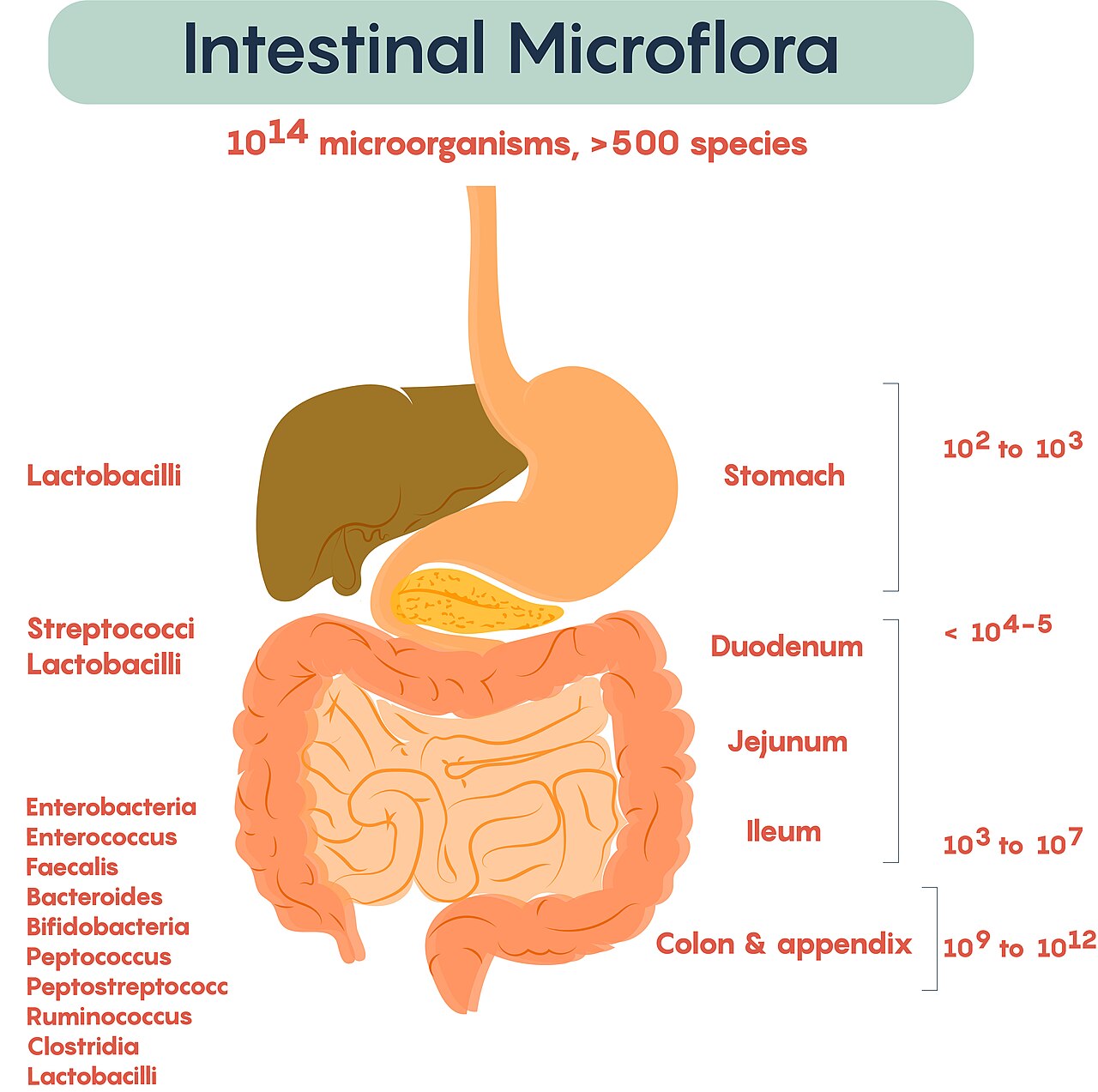
Look for the full strain name CP2305, whether cells are live or heat-inactivated, the daily cell equivalent, storage instructions and other active ingredients. A generic L. gasseri capsule is not the studied intervention.
People with severe immune suppression, central venous catheters or serious illness should discuss microbial products with a clinician. Heat-inactivated preparations may pose different risks from live organisms, but that difference should not be guessed from marketing language.
If the product includes several strains, prebiotics or calming botanicals, any change cannot be assigned to CP2305. Finished-product evidence should remain separate from ingredient evidence. The L-ornithine stress-and-sleep trials provide a separate supplement comparison without implying that the ingredients share a mechanism.
Use stress context as part of the test
Record the stressor, bedtime, awakenings and daytime function for one week. Our zinc-probiotic IBS trial summary is a useful reminder that a plausible gut product can still produce a null sleep result. The prebiotic fiber stress-and-sleep guide shows how microbiome interventions with related marketing can still have distinct trial results.
Keep diet and caffeine reasonably steady, and stop for new digestive symptoms, fever or allergic reactions. Persistent insomnia should receive direct assessment rather than being reframed only as a microbiome problem.
CP2305 is one of the more interesting strain-specific stories because sleep, stress and physiology were measured together. Its usefulness still depends on exact strain matching and replication in broader groups.
The product’s shelf life matters as much as its front label. Live probiotics may require a guaranteed count through expiration, while a heat-inactivated preparation should disclose the cell equivalent and processing clearly. Neither a refrigeration claim nor a very large colony count proves equivalence to CP2305. The strain identifier should appear on the package, not only in advertising copy.
Expectations also need a boundary. The trials followed students through defined stress periods; they did not show that CP2305 treats generalized anxiety disorder or chronic insomnia. If panic, depression, major appetite change or impaired daytime safety is present, direct care matters more than extending a gut-focused trial or adding more strains.
Finally, look for transparent handling of the word postbiotic. Heat-inactivated cells, cell fragments and purified metabolites are not interchangeable categories. CP2305 should be named directly, and a study citation should match the dose and preparation on the package. If those details are missing, the product cannot borrow the student trials merely by using microbiome language.