Palmitoylethanolamide for Sleep: A Faster Start, but No Broad Quality Win
A clear guide to the main PEA sleep trial, including its mixed actigraphy results, formulation limits, safety questions and practical use.
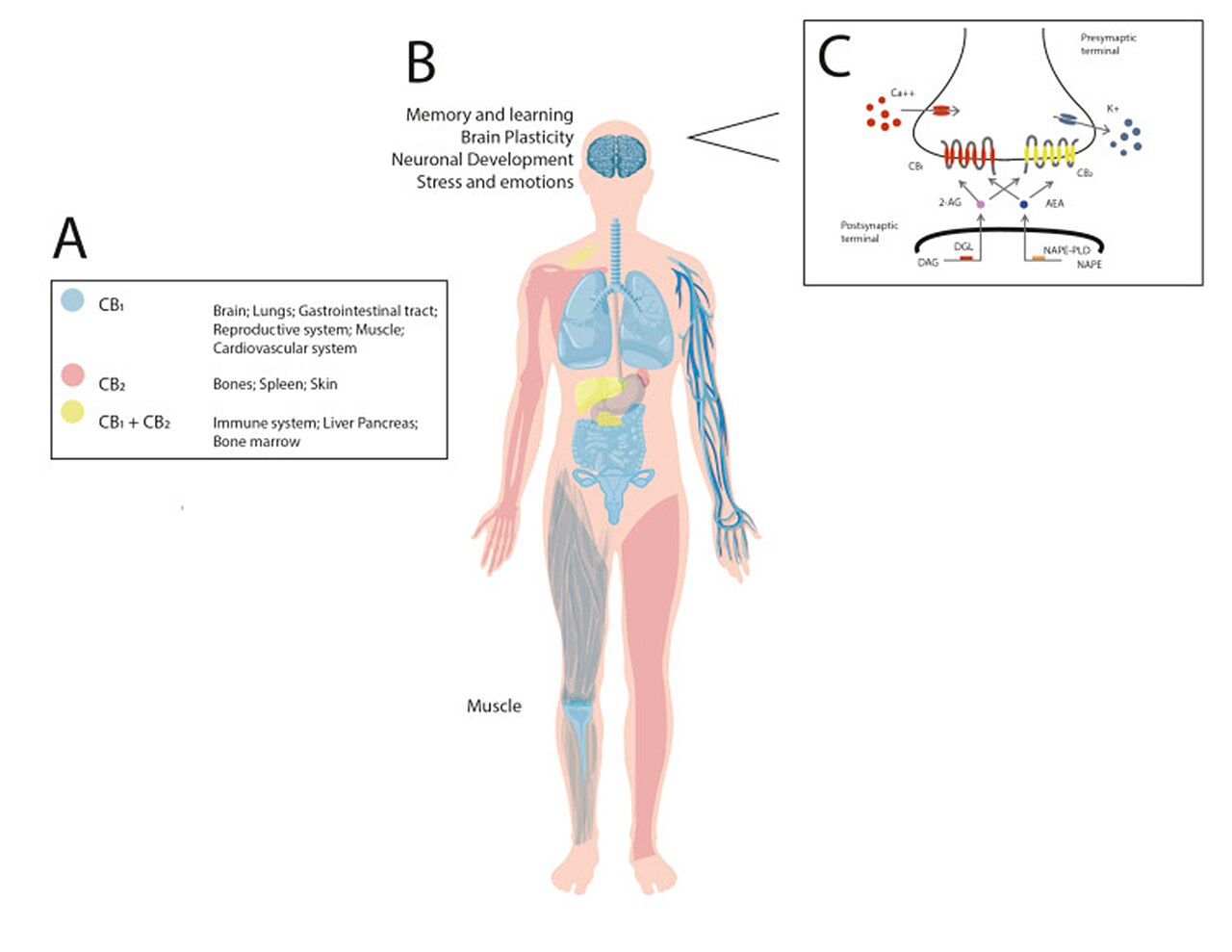
PEA shortened a few reported timing measures in one trial, but broad sleep quality and quantity improved similarly with placebo.
The useful signal is narrower than the headline
A shorter wait for sleep sounds valuable when bedtime stretches into an hour of clock-watching. In one eight-week placebo-controlled trial, palmitoylethanolamide, usually shortened to PEA, improved sleep-onset latency and how quickly participants felt fully awake in the morning.
The same study did not show a clear between-group advantage for overall sleep quality or quantity on actigraphy and diaries. That mixed pattern resembles the wider problem described in our guide to CBD for sleep: a promising secondary signal is not the same as an insomnia treatment. The CBD sleep products evidence guide provides another careful comparison between a popular lipid-derived supplement and direct insomnia evidence. For a related evidence comparison, see CBD for sleep: recent trial results and FDA safety warnings.
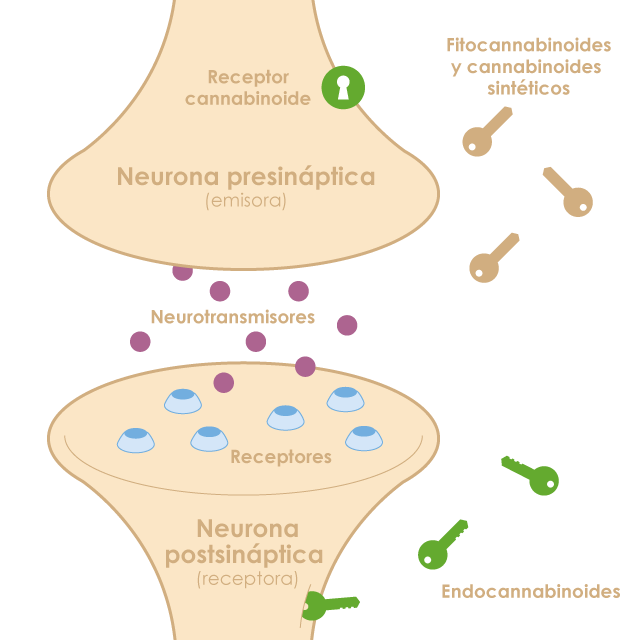
PEA is produced naturally in the body and sold as a fatty-acid supplement. The trial tested a branded formulation, so the result cannot be transferred automatically to every powder, capsule or micronized product carrying the same ingredient name.
What the eight-week trial measured
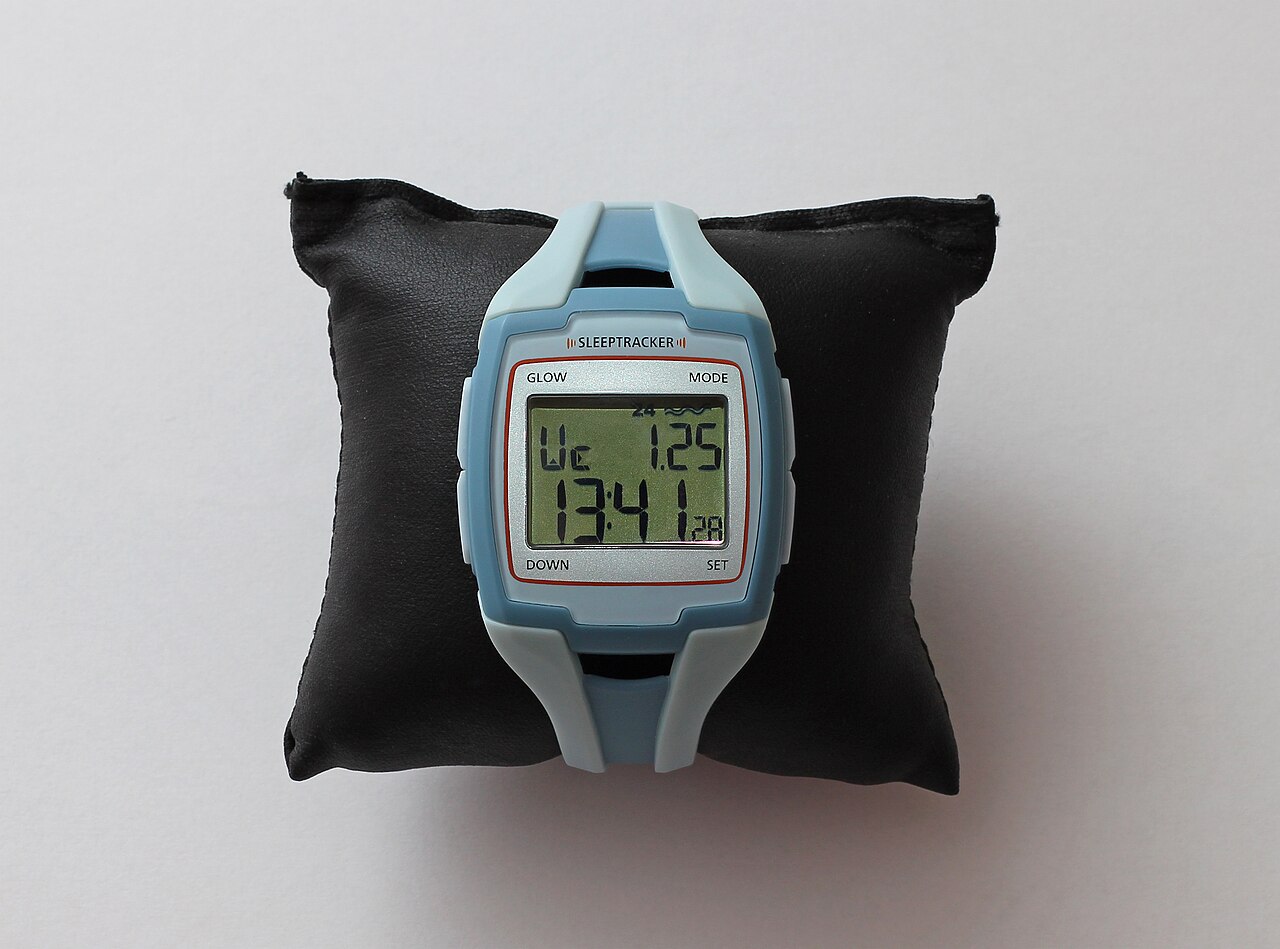
Researchers randomized 103 adults with sleep disturbance to 350 milligrams of a formulated PEA ingredient or placebo each day. They combined wrist actigraphy, sleep diaries and questionnaires instead of relying on one morning impression.
At eight weeks, sleep onset and waking cognition favored PEA, yet actigraphy and diary measures of sleep quality and quantity did not separate clearly. That is why objective sleep tracking deserves context rather than being treated as a decisive score. The alpha-s1 casein hydrolysate sleep guide is a direct example of combining objective and subjective sleep measures. For a related evidence comparison, see Alpha-s1 Casein Hydrolysate for Sleep: New Trial, Small Sample.
Both groups improved on several measures. Placebo response, new attention to bedtime habits and ordinary week-to-week variation can all move sleep questionnaires. The design was useful, but one modest trial cannot define who benefits or how durable any effect is.
Pain studies answer a different question
PEA has also been studied for neuropathic pain, including a diabetic neuropathy trial that reported changes in pain, mood and sleep. Better sleep after pain relief does not prove a direct sedative effect in otherwise healthy people.
This distinction matters just as it does with glycine at bedtime: a plausible pathway and a favorable secondary outcome do not replace a trial built around the exact sleep question.
Formulation also matters. Micronized, ultramicronized and lipid-based products may produce different exposure. A label that lists only PEA milligrams may not match the ingredient or delivery system used in a published study. The black cohosh menopause sleep guide is a useful comparison because a narrow population and a specific preparation limit generalization. For a related evidence comparison, see Black Cohosh for Menopause Sleep: One Objective Trial, Wider Uncertainty.
Safety and label checks come first
The eight-week sleep study described the tested product as well tolerated, but that does not establish long-term safety for every population. Pregnancy, breastfeeding, childhood use and serious liver, kidney or neurologic illness were not settled by this experiment.
Review medicines and supplements with a clinician, especially when sleepiness could raise driving or fall risk. Avoid stacking PEA with melatonin, antihistamines, alcohol or several calming botanicals on the first night; otherwise, a morning effect cannot be traced. The glycine bedtime guide is another reminder that a plausible pathway does not replace direct evidence for the exact ingredient.
Check the exact form, daily amount, other ingredients and allergen statement. A proprietary delivery claim should be supported by transparent composition, not used as a substitute for finished-product clinical evidence. The passionflower insomnia trial provides another direct-sleep example where one modest experiment is a beginning, not a verdict. The L-ornithine stress-and-sleep trials provide another direct example of why a short supplement study needs careful outcome matching. The hops sleep combination guide also shows why a calming ingredient should be judged by the exact formulation and outcome.
Run a simple, honest experiment
Keep a one-week baseline of bedtime, estimated sleep onset, awakenings and next-day alertness. Our sleep supplement blend audit offers a practical way to spot duplicate sedating ingredients before another bottle enters the routine.
Change one variable and use the same wake time for two to four weeks. Stop if daytime drowsiness, rash, stomach symptoms or a new mood change appears. Persistent insomnia, loud snoring or dangerous sleepiness deserves clinical assessment rather than a longer supplement stack.
PEA is interesting because the main trial produced a specific, testable signal. It is not convincing enough to promise a broadly better night, and that honest boundary makes a personal trial safer and easier to judge. The apigenin evidence-gap guide shows how to keep a popular calming ingredient from outrunning its direct sleep research. For a related evidence comparison, see Apigenin for sleep: supplement claims run ahead of direct human evidence.
A useful stop rule should be decided before the first dose. If sleep onset is unchanged after a consistent trial, or morning alertness worsens, adding more capsules is unlikely to clarify the question. Keep the original bedtime routine visible in the diary so a stressful week, travel or a late meal is not mistaken for a supplement effect.
Also check whether the reason for poor sleep is changing. New pain, hot flashes, restless legs or medication timing can create a different problem from the one measured in the PEA study. A supplement experiment works best when it stays small, time-limited and secondary to evaluation of persistent symptoms.