Ziziphus Spinosa Seed for Insomnia: A Feasibility Trial, Not a Verdict
Suanzaoren and Ziziphus seed appear in many sleep formulas. Learn what the crossover trial and systematic review actually support.
Ziziphus seed deserves more study, but fruit, seed, extracts and multi-herb formulas should not be treated as equivalent evidence.
The fruit name hides the real intervention
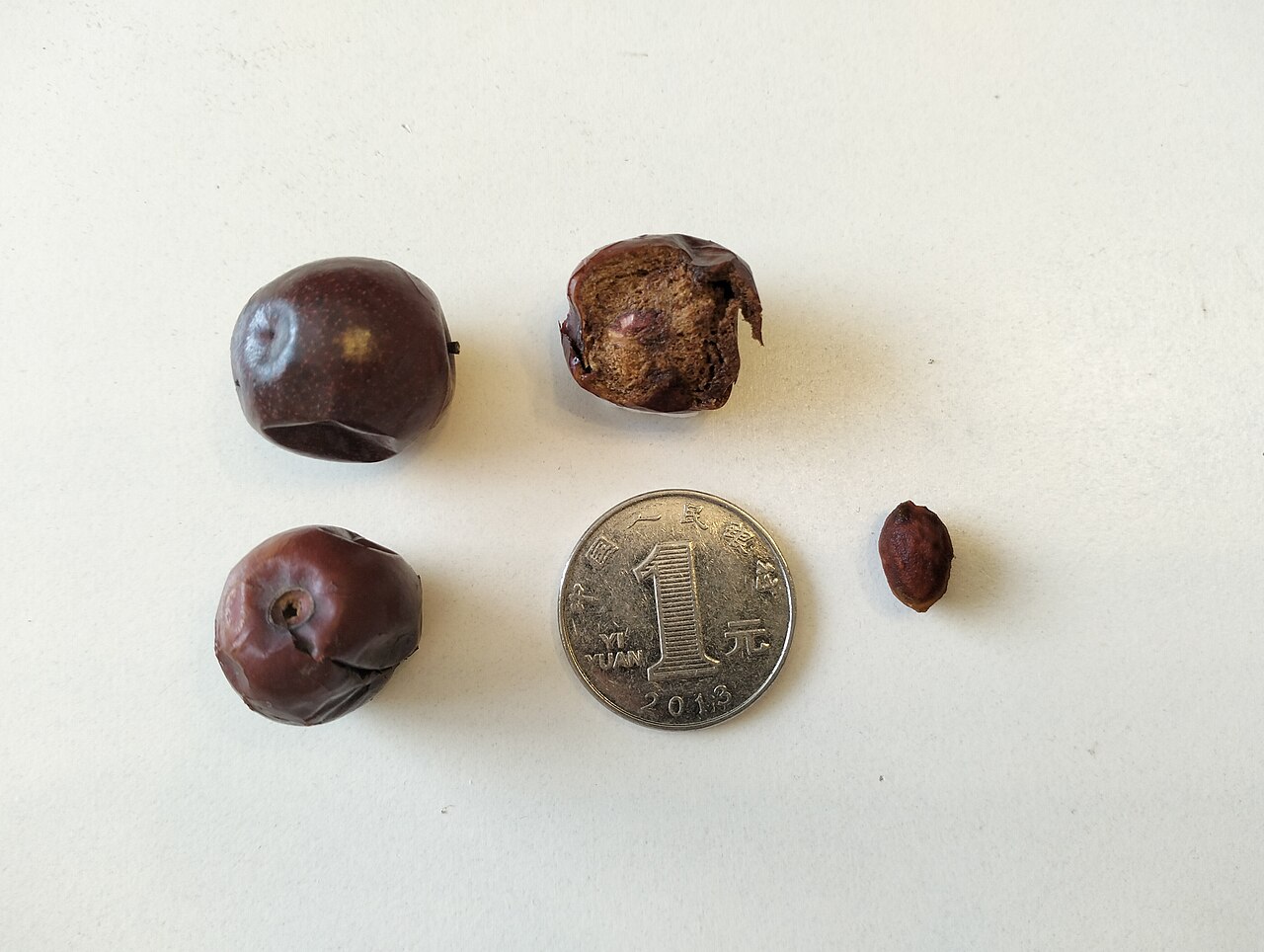
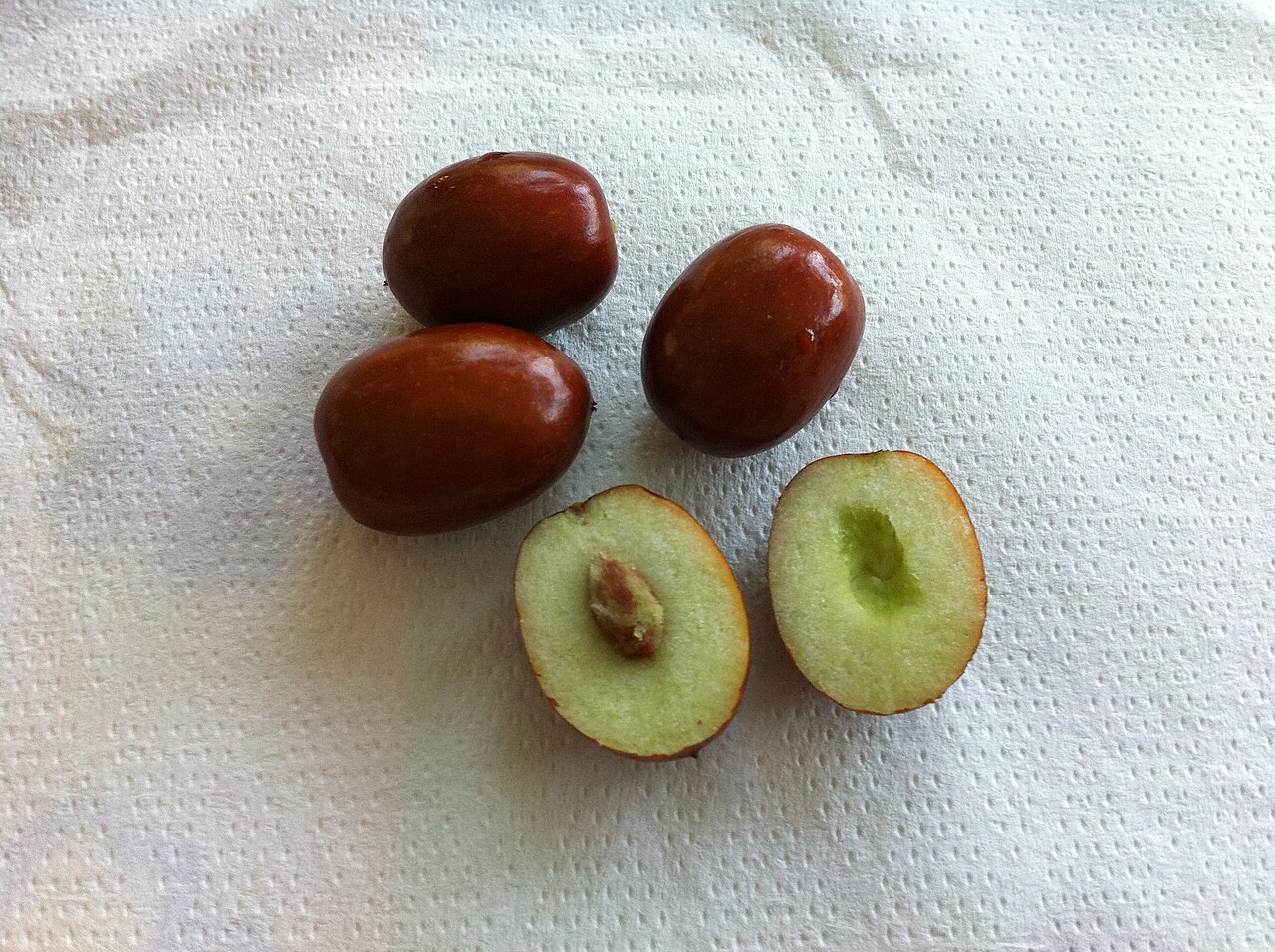
Jujube sounds like a simple fruit remedy, yet the insomnia literature usually concerns Ziziphus spinosa seed, also called Suanzaoren or Ziziphi Spinosae Semen. The medicinal seed is not the same intervention as eating jujube fruit.
That distinction echoes the lesson from chamomile tea and extracts: species, plant part and preparation can change the dose and chemistry.
Retail formulas also mix Ziziphus with GABA, Poria, hops or casein peptides. A positive combination trial cannot reveal what the seed contributed by itself.

The crossover study was designed for feasibility
A randomized placebo-controlled crossover trial enrolled people with insomnia and tested Ziziphus seed granules. Its main purpose was to see whether recruitment, masking and the protocol could support a larger definitive trial.
Feasibility work can identify signals and practical problems, but it is not powered to settle treatment effectiveness. That is similar to how one passionflower insomnia trial begins a research story rather than ending it.
Crossover designs let each person receive both interventions, which helps with stable personal differences. Carryover, imperfect washout and expectation can still blur the contrast between periods.
The pooled literature is difficult to interpret
A 2023 systematic review included randomized trials of Suanzaoren alone or in formulas against placebo, medicines, cognitive behavioral therapy or usual care. The interventions and comparators were highly varied.
The authors reported possible sleep-quality benefits but emphasized small samples, variable quality and limited long-term safety. Our valerian evidence guide describes the same problem: tradition and many small studies do not automatically create certainty.
When a formula contains several herbs, pooled results cannot tell a shopper what a single-seed capsule will do. Product standardization and independent replication remain essential.
Safety information is not complete
Sedation, dizziness and digestive symptoms matter most when a sleep product is combined with alcohol, antihistamines, prescription sedatives or other calming supplements. Start with clinician or pharmacist review when those combinations are possible.
Pregnancy, breastfeeding, childhood use, liver disease and major psychiatric conditions were not resolved by the feasibility trial. Imported traditional products also deserve contaminant and identity testing.
Check the Latin name, seed part, extraction ratio, daily amount and full formula. Avoid assuming that a picture of red fruit confirms the medicinal ingredient inside.
Keep the decision tied to the exact bottle
Write down the complete formula and compare it with the study before using a trial headline. Our hops combination guide shows why multi-ingredient sleep products cannot establish a single herb’s effect.
Track sleep onset, awakenings and next-day function while keeping wake time steady. Stop for excessive morning impairment, rash, palpitations or a mood change, and seek care for persistent insomnia or suspected apnea.
Ziziphus seed is a reasonable research candidate, not a proven replacement for insomnia care. The clearest benefit today is knowing exactly which plant part and preparation the evidence actually tested.
Identity testing deserves unusual attention with traditional botanicals. The package should name the species, seed part, extract ratio or granule composition, daily amount and testing program for microbes, heavy metals and adulterants. The word jujube alone is too vague. A tea, fruit powder and concentrated seed extract can deliver very different constituents even when the common name overlaps.
Keep expectations tied to the measured problem. A small feasibility trial cannot tell whether the herb helps sleep apnea, circadian delay, restless legs or medication-related insomnia. Snoring with breathing pauses, persistent morning headaches, leg discomfort at rest or sleepiness while driving calls for assessment. A botanical should not delay finding a cause that has a targeted treatment.
A practical trial should use the same product and serving each night rather than alternating teas, granules and capsules. Record the label before discarding the package, because extract ratios and multi-herb blends can make later comparison impossible. If there is no clear benefit after a defined period, stopping provides better information than escalating an uncertain formula.